RAM 1500 TRX Supercharger Service Packages Explained
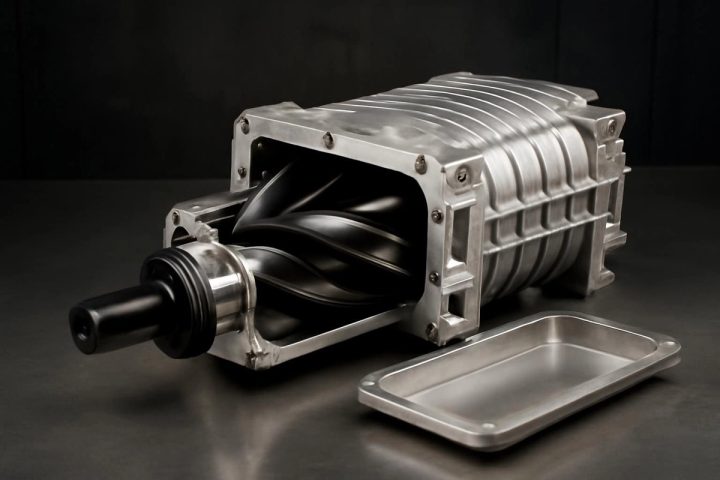
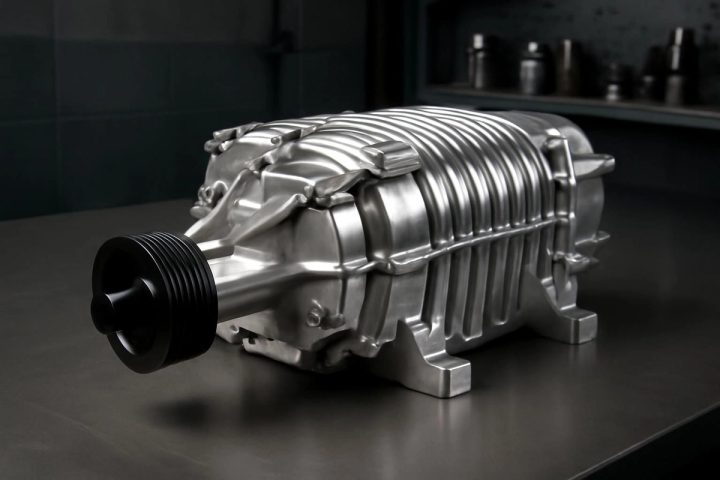
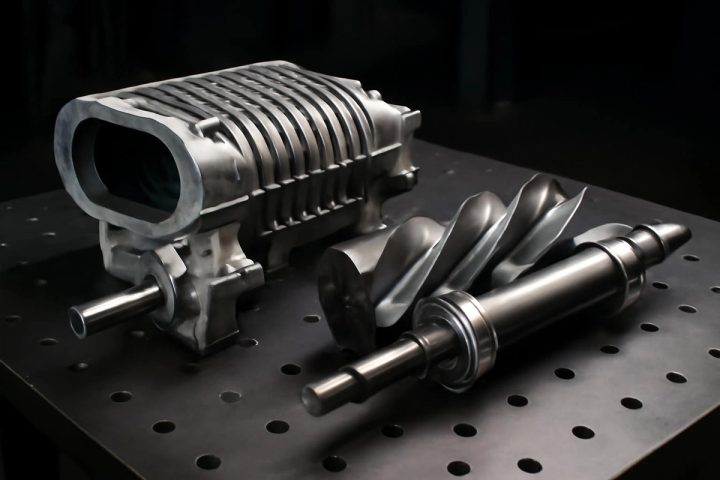
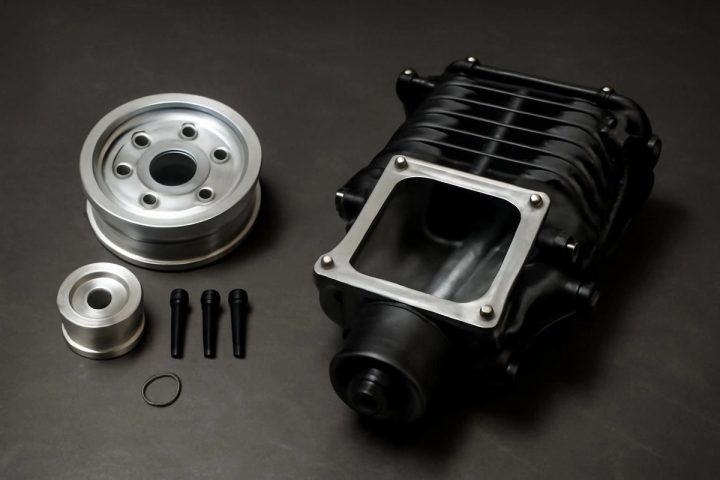
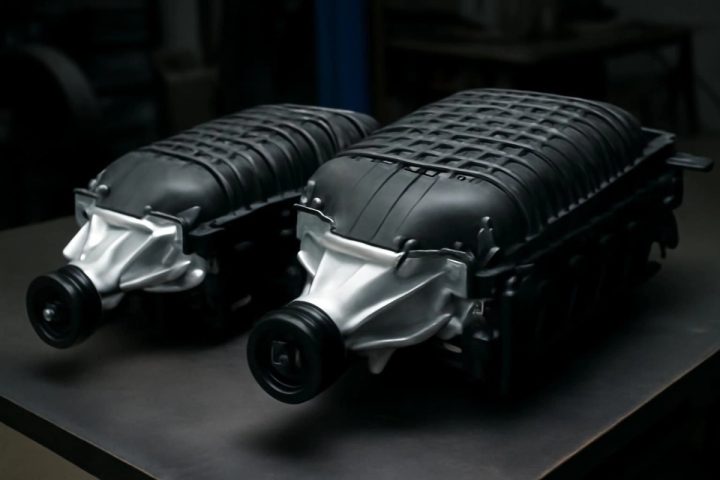
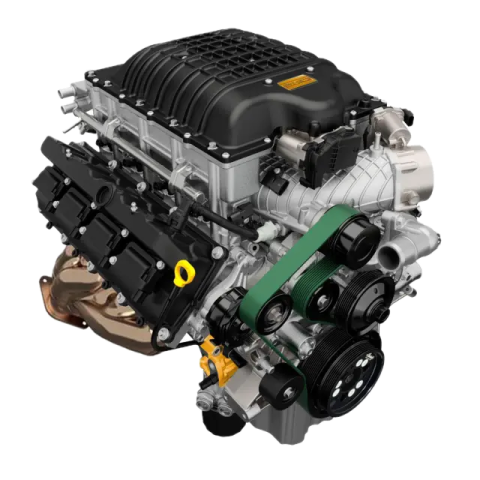
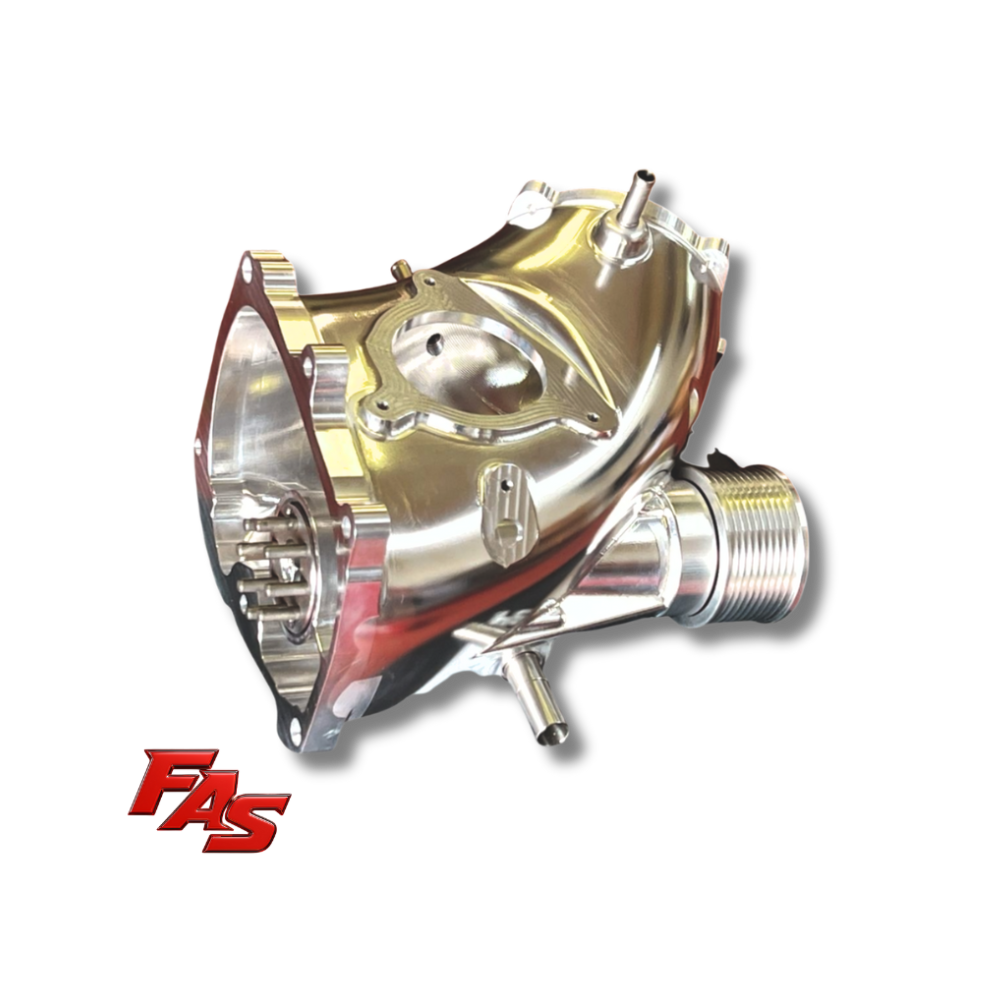
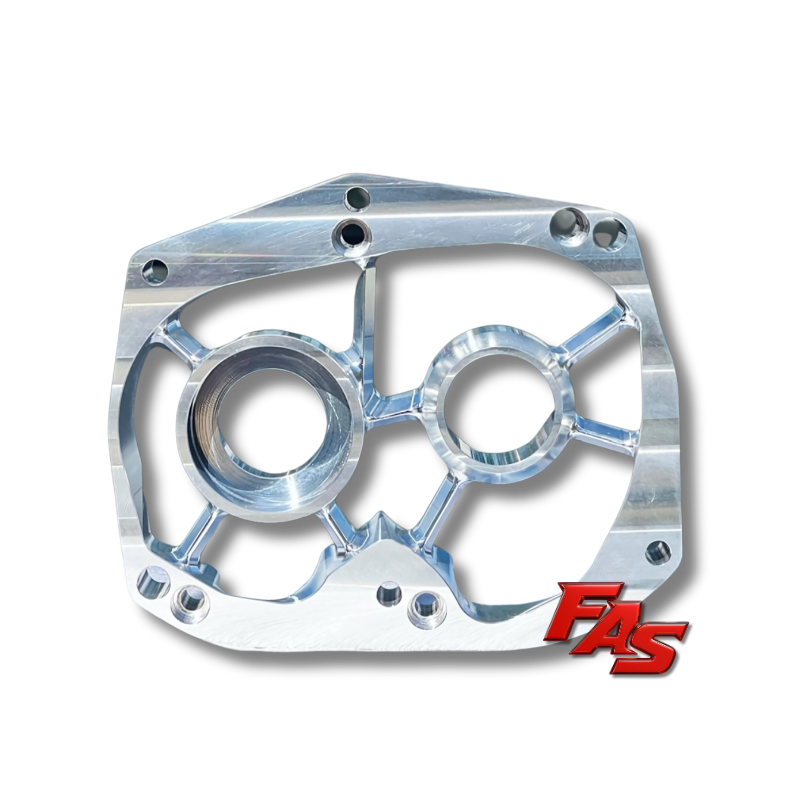
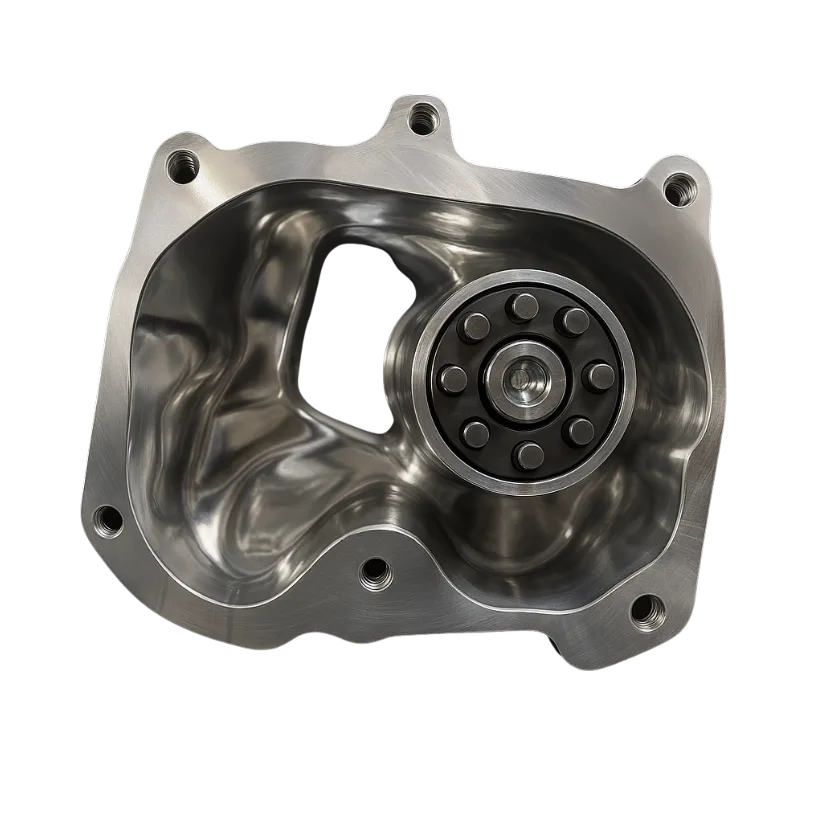
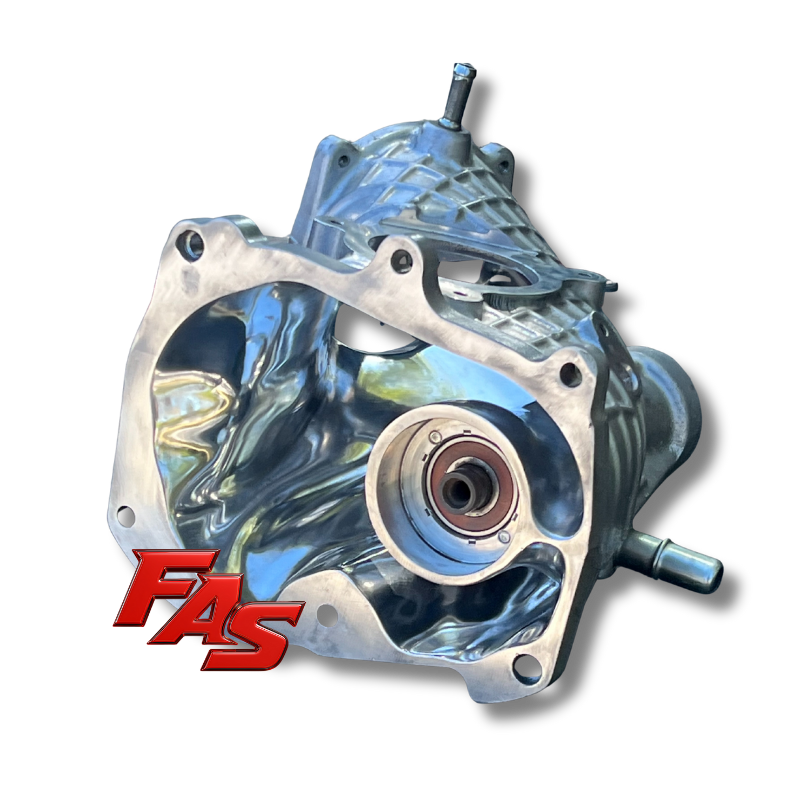
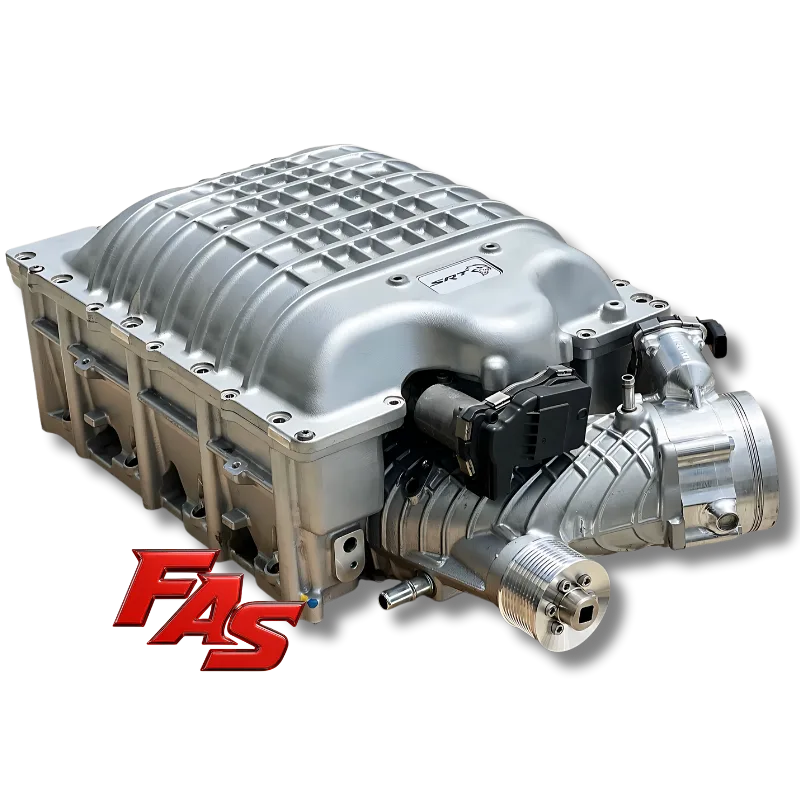
The RAM 1500 TRX uses the same 6.2L IHI supercharger platform as the Hellcat. Here's what porting, rebuilding, and combining services looks like for TRX owners — and what to expect from each.
Shop FAS billet performance parts — Shop Billet Parts →
FAS Motorsports
Latest news, build stories, and performance insights from the FAS Motorsports team.
Looking for parts after your research? Explore the motorsports parts hub for platform collections and category links.
The RAM 1500 TRX uses the same 6.2L IHI supercharger platform as the Hellcat. Here's what porting, rebuilding, and combining services looks like for TRX owners — and what to expect from each.
Everything you need to know about the Hellcat 2.4L TVS supercharger — how it works, common failure points, rebuild vs. replace decisions, porting gains, and the best upgrade path for 707–800+ HP builds.
Yes — after porting your Hellcat supercharger, a retune is strongly recommended. Learn what porting changes, why the stock tune no longer fits, and how to plan your porting and tuning in the right order.
FAS ports and rebuilds Whipple superchargers — here's how a Whipple twin-screw unit works, what porting changes, and the 3.0L and 4.5L services FAS actually offers.
A cold air intake is one of the first mods every new Hellcat owner considers. But on a supercharged IHI engine, the airflow dynamics are completely different from an NA car — and the snout is the restriction a CAI doesn't touch.
Planning an intake upgrade for your 2024 Mustang GT? Here's the real difference between a cold air intake and a ported intake manifold — where the Coyote 5.0's airflow is actually restricted, and which upgrade makes more power.
The 6.7 Powerstroke's factory airbox is a known restriction — but is a cold air intake the right fix, or is the intake manifold the real bottleneck? Here's how to diagnose it correctly before you buy.
The 5.7 HEMI can run a Hellcat supercharger with the right adapter. Here's what the swap actually requires — adapter, charge cooling, fueling, and tuning — and where FAS's own porting services fit in.
The Hellcat blower on an LS is a popular swap combination. Here's what the swap actually requires — adapter, charge cooling, fueling, and tuning — and where FAS's own porting and rebuild services fit in.
The RAM 1500 TRX uses the same 6.2L IHI supercharger platform as the Hellcat. Here's what porting, rebuilding, and combining services looks like for TRX owners — and what to expect from each.
The Dodge Demon and Demon 170 run a modified IHI supercharger from the same family as the Hellcat blower. Here's what's inside it, how it differs from the Hellcat unit, and what upgrades apply.
LS supercharger kits span a massive price and power range. Here's how to sort them out — what each kit type includes, which platforms they fit, and what to budget for a real street or strip build.
ProCharger and supercharger get used interchangeably all the time — they shouldn't. Here's what separates a centrifugal ProCharger from a positive-displacement blower, and which one makes sense for your build.
ProCharger is one of the most recognized names in forced induction — but the term gets misused constantly. Here's what a ProCharger actually is, how it works, and how it compares to other supercharger designs.
The 2.4L and 2.7L IHI Hellcat superchargers look similar but live in very different cars and chase very different power goals. Here's how they actually differ, which platforms run each, and how to decide which one is worth upgrading.
Searching for a Hellcat supercharger for sale? Before you buy a used unit off eBay, know what you're getting — and why a rebuilt, ported blower from FAS Motorsports is worth the extra investment.
The 5.7 HEMI can run a Hellcat supercharger with the right adapter kit — but there are fitment nuances you need to understand before you buy. Here's the full breakdown.
Not all Hellcat superchargers are the same size. The 2.4L and 2.7L units have different housings, different flow capacities, and different strengths. Here's how to tell them apart and which one fits your build.
Swapping a Hellcat supercharger onto an LS? It's been done. Here's a straight breakdown of what adapter kits exist, what they actually require, and whether the swap makes sense for your build.
Diesel performance is an airflow problem. If you're building a 6.7L Powerstroke for power, here's how to think about the intake, intercooler, and exhaust as a connected system — not isolated parts.
If you're searching for a performance shop in Florida for Hellcat, TRX, or Trackhawk supercharger work, here's what we do, where we're located, and what sets our shop apart.
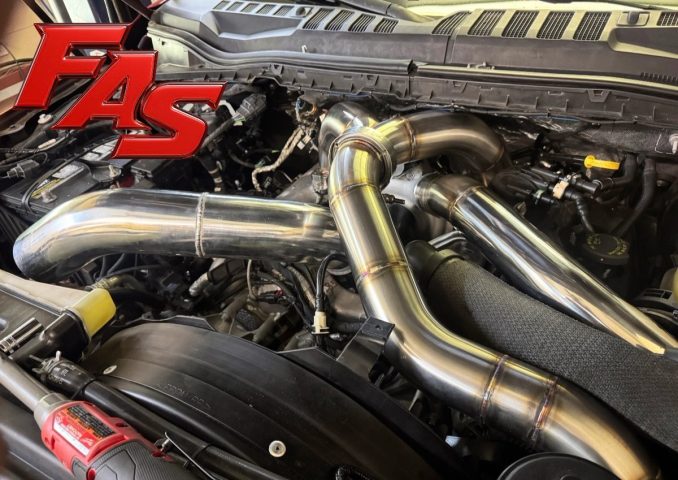
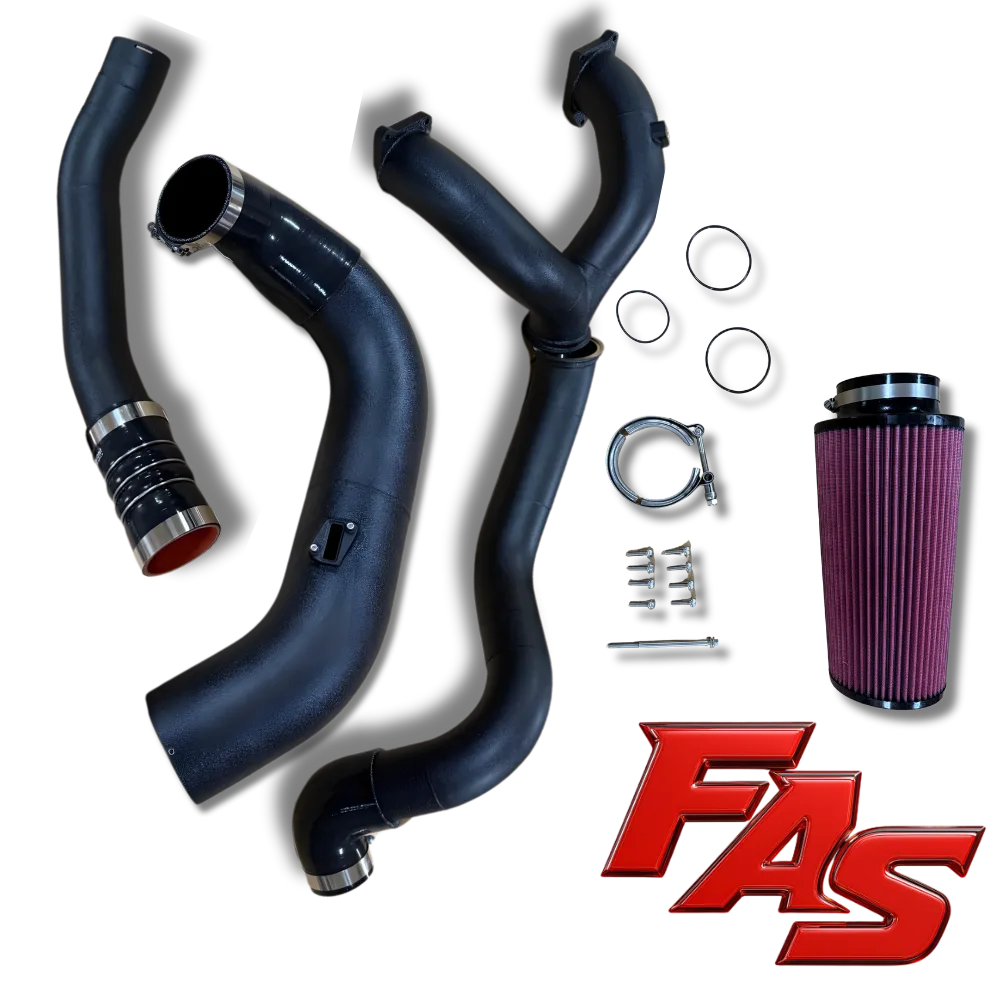
The 6.7L Powerstroke's factory intercooler piping is a known restriction for performance builds. Here's what a piping kit does, what to look for, and why FAS builds theirs in-house.
The Trackhawk and the TRX are both supercharged monsters — but they're engineered completely differently. Before you plan a single modification, here's what matters about each platform.
You can spend $5,000 on either platform and get very different results. Here's a realistic cost-per-horsepower breakdown for bolt-on builds on both the Trackhawk and TRX.
Both platforms can make big power. But which one holds together better when you push past factory limits? We've had both on the bench — here's what we see.
The hellcat ported snout is one of the highest-ROI modifications for 2.4L and 2.7L IHI supercharger builds. Learn what snout porting is, why the stock housing restricts airflow, and what real power gains look like.
More boost doesn't always mean more power. Here's how to identify the real airflow restrictions in your forced-induction build — intake, intercooler, throttle body, and supercharger housing — and fix them in the right order.
Cast rotors work fine at factory power levels. But push a supercharger hard enough and the manufacturing tolerances of cast aluminum become the failure point. Here's what billet rotor pairs actually change — and when the upgrade makes sense.
Everything you need to know about the Hellcat 2.4L TVS supercharger — how it works, common failure points, rebuild vs. replace decisions, porting gains, and the best upgrade path for 707–800+ HP builds.
The hellcat supercharger comes in two displacements — the 2.4L TVS and the 2.7L TVS. Understanding the size difference, airflow specs, and what each version supports is critical before you buy or port one. Here's the full breakdown.
The 6.7L Powerstroke moves a lot of boosted air between the turbocharger and the engine — and the factory piping is a weak point for any build above stock boost. Here's what an intercooler piping kit actually does, what to look for, and how the FAS Motorsports kit fits.
Every performance enthusiast knows the feeling — you do one mod to fix one thing, and suddenly you're three builds deep wondering how you got here. That's not a bug. That's the rabbit hole effect, and it's what separates the people who build cars from the people who just drive them.
The Eaton M112 is one of the most common Roots-type superchargers ever bolted to an American V8. Here's everything you need to know about rebuilding it, porting it, and squeezing every last pound of boost out of it.
Shipping a supercharger for rebuild or porting isn't like mailing a package — get it wrong and your unit arrives damaged, delayed, or rejected. Here's exactly how to prep, pack, and ship your blower to FAS Motorsports in Punta Gorda, FL.
The Ram TRX's 6.2L supercharged HEMI makes 702 crank horsepower from the factory — but push it harder without addressing these 7 weak points first and you're writing a check your drivetrain can't cash.
Yes — after porting your Hellcat supercharger, a retune is strongly recommended. Learn what porting changes, why the stock tune no longer fits, and how to plan your porting and tuning in the right order.

FAS Motorsports ports, rebuilds, and performs snout bearing service on Eaton M122 superchargers for Shelby GT500 and Ford GT applications. Nationwide service from Punta Gorda, FL.

FAS Motorsports ports, rebuilds, and performs snout bearing service on Eaton M112 superchargers for SVT Cobra, F-150 Lightning, and Mercedes-Benz AMG applications. Nationwide service from Punta Gorda, FL.

FAS Motorsports ports, rebuilds, and performs bearing service on IHI 2.4L superchargers for Hellcat, Trackhawk, Demon, and all LX/LC platform applications. Nationwide service from Punta Gorda, FL.
Rebuild or upgrade? It's the most common question we get from Hellcat and Redeye owners chasing more power. This guide cuts through the noise and gives you a real decision framework based on what your blower actually needs.

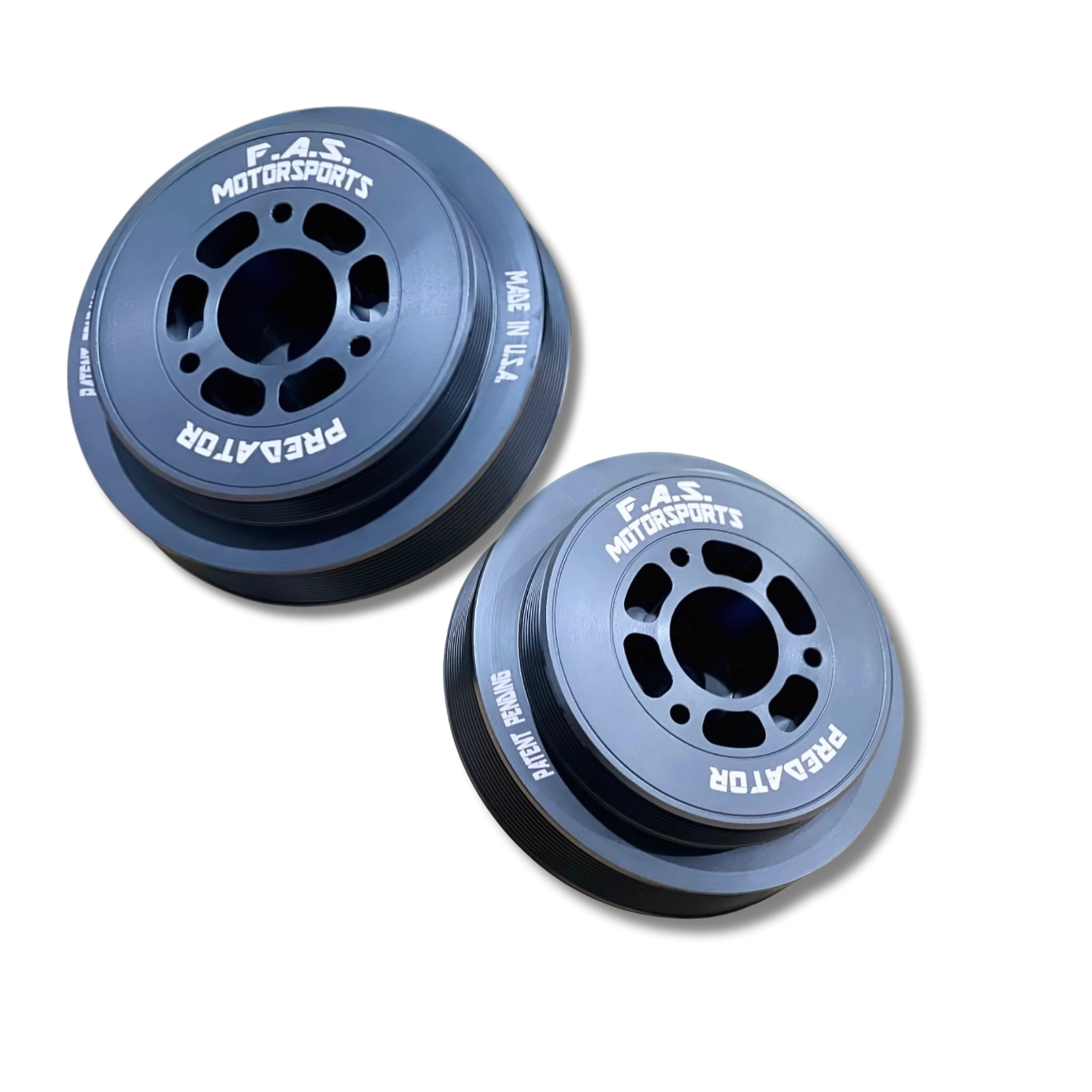
Snout porting and pulley upgrades both add power to your Hellcat — but they work differently and fit different build stages. Here's how to pick the right one.
Three of the most common Hellcat supercharger mods — and only one of them belongs first on your build. Here's the decision chart that matches each mod to your goal.
The Hellcat 2.4L supercharger snout is a known restriction. Here's what snout porting actually does, how much power it adds, what can go wrong, and when you should leave it alone.
Before you buy a pulley, schedule a porting service, or order anything for your Hellcat-platform vehicle, you need to know which IHI supercharger you actually have. This 10-minute driveway checklist answers that question — no special tools required.

The 2.4L TVS2300 and 2.7L TVS superchargers share a platform but are not interchangeable. Here is what separates them and when swapping to the larger unit actually matters.

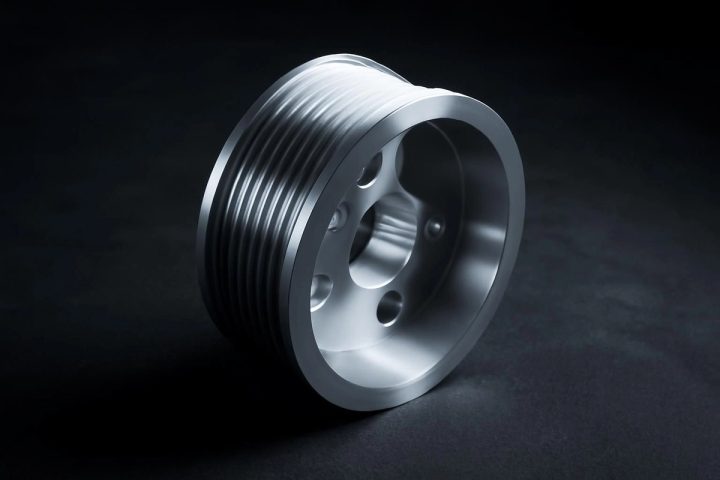
The most common questions about the Predator Performance upper pulley for 6.2L Hellcat engines — boost levels, tune requirements, safety limits, and what to expect.
That 'no tune required' label on a Hellcat upper pulley kit sounds reassuring — but it's doing a lot of marketing work. Here's the full picture of what changes, what the ECU actually adapts to, and when a tune becomes mandatory anyway.

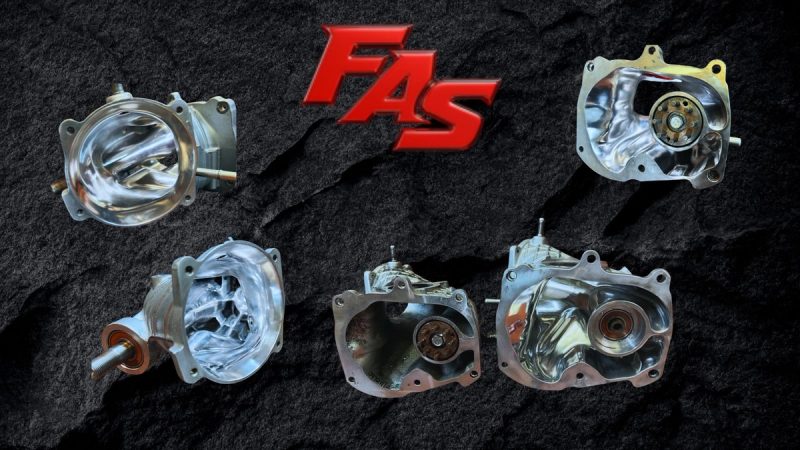
If you're pushing a Hellcat, TRX, or Trackhawk past 700 whp, you've probably asked about supercharger porting — here's what it is & if it's right for you.

The Dodge Hellephant C170 crate engine makes 1,000 hp and 950 lb-ft from 426 cubic inches. What it is, what it costs, and what a complete build runs.

LT4 (C7 Z06, ZL1), 2.4L Hellcat TVS, and 2.7L IHI supercharger porting done in-house. Precision CNC port work, flow-bench verified, shipped back in 3–5 business days from Punta Gorda, FL.

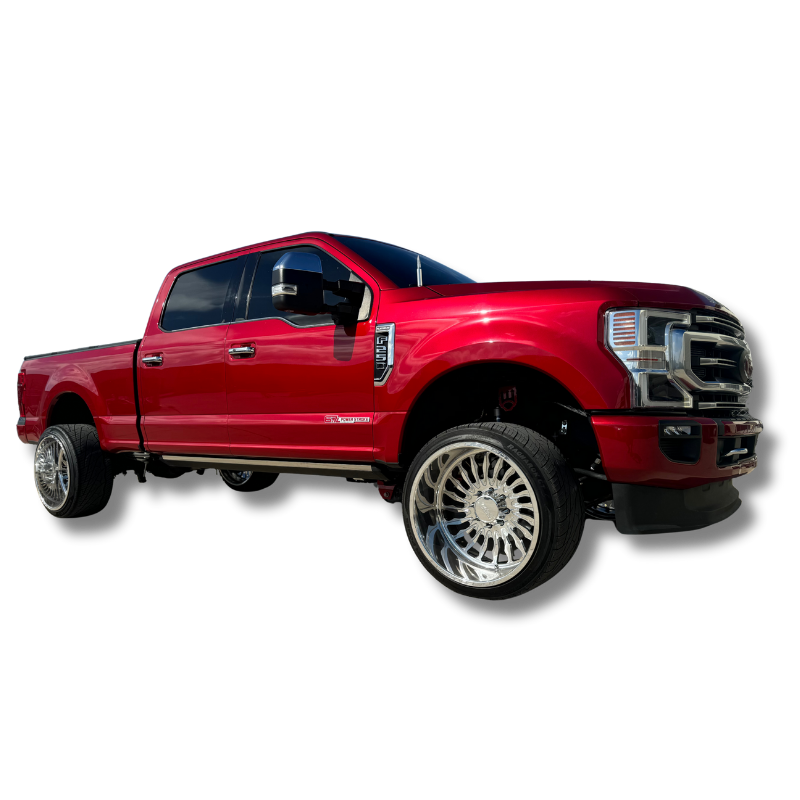
Introducing our latest in-house fabrication: a premium piping kit engineered for 2020-2026 6.7L Ford Powerstroke trucks.
Power Stroke packages and billet Hellcat hardware, engineered and built in-house in Punta Gorda, Florida.
Pair your hardware with installation, porting, fabrication and security work from the FAS team.