2.4L vs 2.7L Hellcat Supercharger — Which Should You Upgrade?
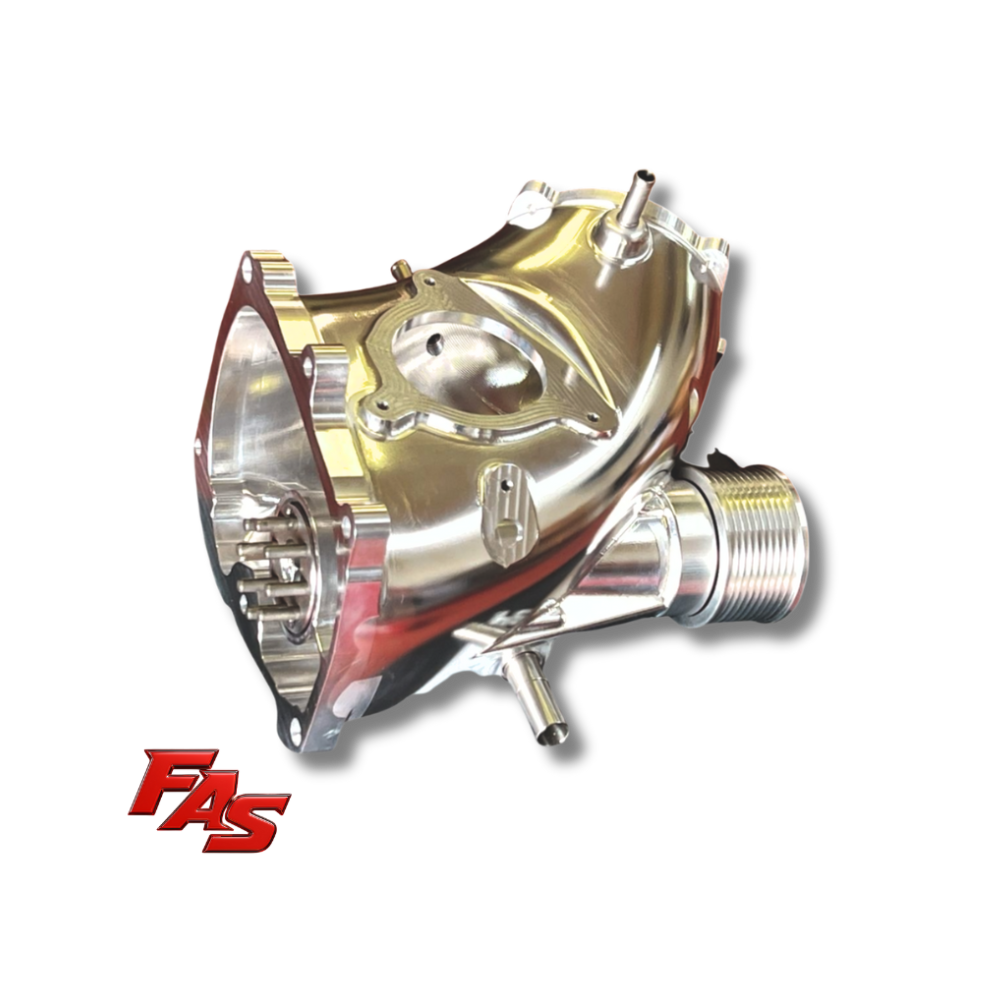
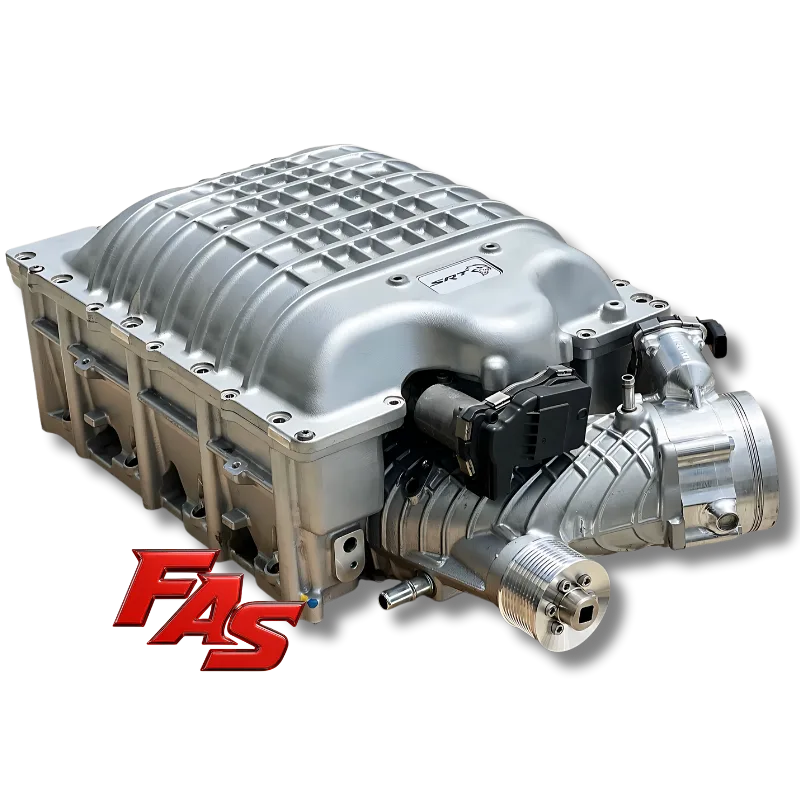
If you run a supercharged 6.2L HEMI, the single most important spec for any upgrade decision is which IHI blower sits in the valley of your engine — the 2.4L or the 2.7L. They look like cousins, share a design philosophy, and respond to the same kinds of work, but they live in different cars, target different power bands, and reward different upgrade paths. This is the practical breakdown of how they differ and how to decide which one is worth your money.
The Short Answer
You do not get to pick between them — your platform already chose for you. The standard Hellcat, Charger/Challenger Hellcat, Durango SRT Hellcat, and the supercharged Jeep Trackhawk run the 2.4L. The Redeye, SRT Demon, Super Stock, and RAM 1500 TRX run the larger 2.7L. The real question is not "which blower" but "what is the smartest upgrade for the blower I have" — and that answer is very different depending on which one you're working with.
What the Numbers Actually Mean
The 2.4 and 2.7 refer to displacement — how much air the rotor pack moves per revolution. The 2.7L IHI is physically larger and moves more air at the same rotor speed, which is why it's the factory choice for the higher-output cars. More displacement means it can support more power with less rotor speed, which generally means less heat for a given boost target. The 2.4L is no slouch — it's a genuinely capable unit — but it has to spin harder to chase the same airflow, and that has consequences for heat and for how much headroom is left before you're working the blower hard.
Which Platforms Run Each Blower
2.4L IHI: Challenger Hellcat, Charger Hellcat, Durango SRT Hellcat, Jeep Grand Cherokee Trackhawk. These are the broad-volume Hellcat cars.
2.7L IHI: Hellcat Redeye, SRT Demon, Super Stock, and the RAM 1500 TRX. These are the higher-output factory platforms that came with the bigger blower from the start.
There is a third path worth naming: 2.4L owners sometimes do a 2.7L swap to get the larger blower onto a standard Hellcat. It works, but it's a bigger project than a bolt-on and only makes sense at higher power goals — more on that below.
Realistic Power Ceilings
A properly ported stock 2.4L on a dialed tune typically supports 800–850 wheel horsepower. That covers the overwhelming majority of street and street/strip builds. Above that, you start fighting the blower's airflow ceiling and heat, and the cleaner path becomes a full package — or the bigger 2.7L.
A ported 2.7L has meaningfully more room above that, which is exactly why it lives on the Redeye, Demon, and TRX. For a build chasing 4-digit wheel horsepower, the 2.7L (or a properly built 2.4L package designed for it) is the platform that gets there without running the blower at the ragged edge.
These are general ranges for supporting builds — actual results depend on fuel, tune, pulley combination, supporting mods, and conditions. Treat them as planning guidance, not a guarantee.
What Porting Does on Each
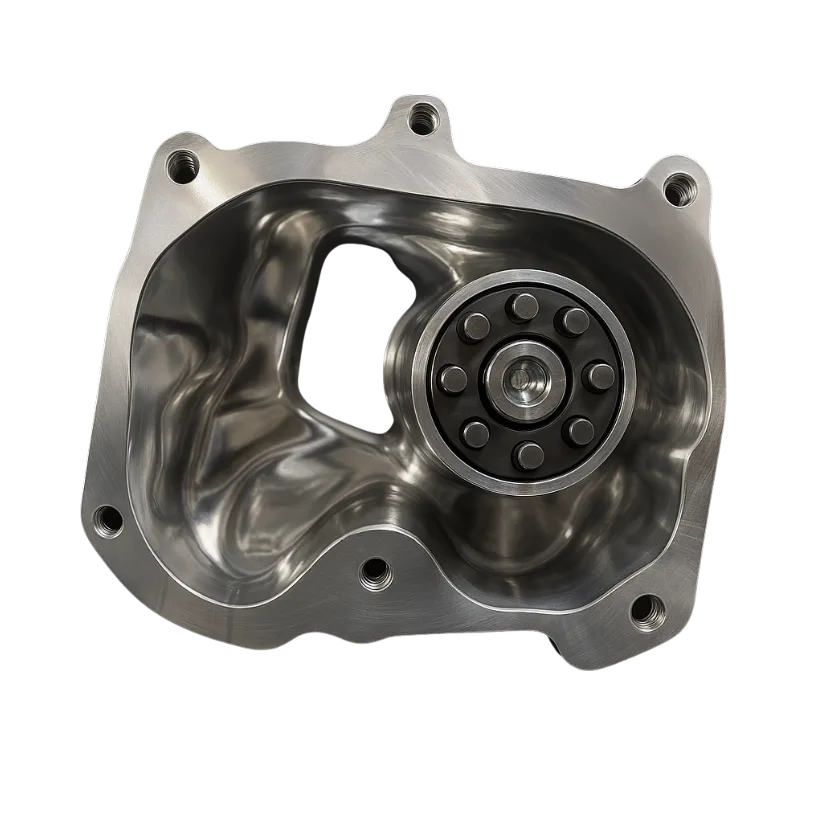
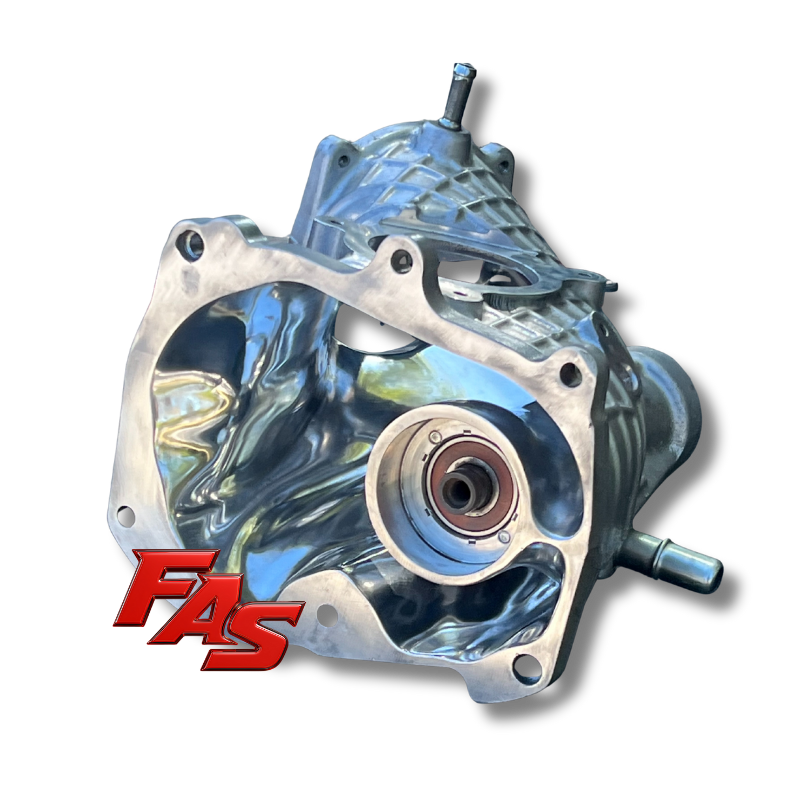
Both blowers leave airflow on the table from the factory in the same three places: the snout inlet geometry, the rotor-to-housing clearances, and the outlet port path. Precision porting opens the inlet, tightens clearances within validated limits, and blends the outlet so the compressed charge transfers cleanly to the intake manifold. The net effect is the same in principle — more flow for the same rotor speed, which means more power and lower inlet temps — but the 2.4L gains more proportionally because it's working harder to begin with, while the 2.7L converts its work into a higher absolute ceiling.
How to Decide What to Upgrade
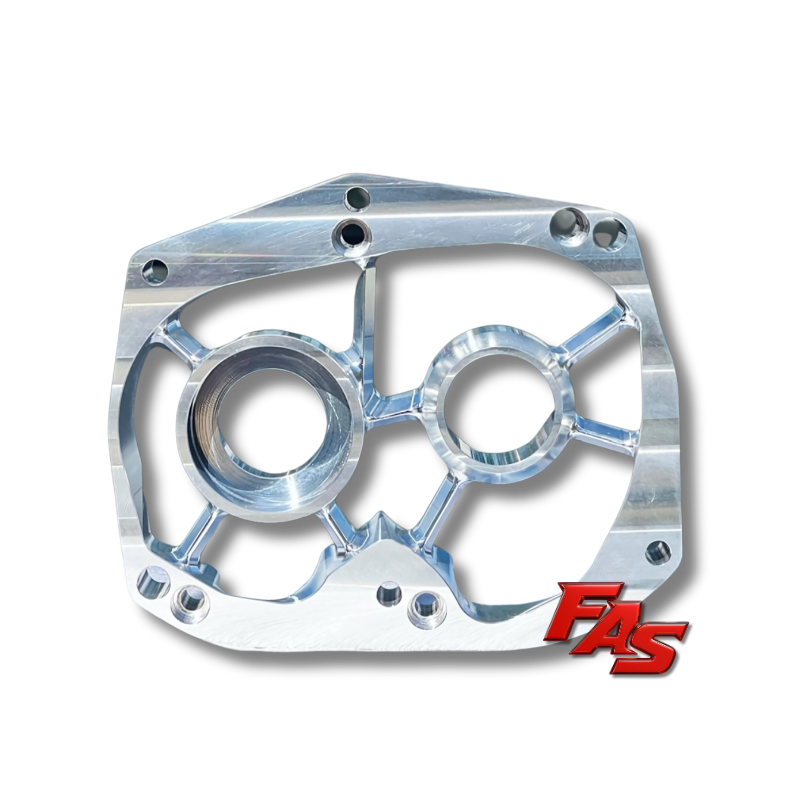
If you have a 2.4L and want strong, reliable street power: a billet snout plus a snout porting service (or the full DOMINATOR 2.4L package) is the high-value path. You stay on your factory blower, gain real airflow, and land comfortably in the 800-whp neighborhood with the right supporting mods and tune.
If you have a 2.7L (Redeye / Demon / TRX): you already own the bigger blower, so the move is to unlock it — a DOMINATOR 2.7L race-porting package and a billet snout extract the airflow the factory casting restricts, with headroom well above what a 2.4L can safely reach.
If you have a 2.4L and your power goal is genuinely above what the 2.4L supports: that's the conversation to have about a 2.7L swap versus a maxed 2.4L package. It's a bigger project — get a build plan first rather than buying parts piecemeal.
Don't Forget Heat and Supporting Mods
Whichever blower you're on, airflow upgrades raise the importance of the rest of the system. Bigger pulleys and porting move more air, which means the fuel system, intercooler/heat-exchanger strategy, plugs, and tune all have to keep up. The most common way a great supercharger upgrade underdelivers is a supporting system that wasn't planned alongside it. Build the whole picture, not just the blower.
The Bottom Line
The 2.4L is the right blower for the majority of Hellcat builds and responds beautifully to porting and a billet snout. The 2.7L is the platform for higher-output goals and is what you unlock rather than replace. Start from the blower you have, match the upgrade to a realistic power target, and plan the supporting mods at the same time. If you're not sure which path fits your car and your goals, that's exactly the kind of build question FAS works through every day.
Want a straight answer for your specific car and power goal? Contact FAS Motorsports — we build both the 2.4L and 2.7L IHI platforms daily and will tell you the honest path, not the most expensive one.
Running the 2.7L specifically? See how it applies to the Demon and Demon 170 supercharger platform.
Related Posts
Hellcat Supercharger Porting Explained: What It Does and When You Need It
If you're pushing a Hellcat, TRX, or Trackhawk past 700 whp, you've probably asked about supercharger porting — here's what it is & if it's right for you.
Hellephant C170 Engine: What It Is, What It Makes, and What It Costs
The Dodge Hellephant C170 crate engine makes 1,000 hp and 950 lb-ft from 426 cubic inches. What it is, what it costs, and what a complete build runs.
LT4 & Hellcat Supercharger Porting: FAS Porting Process, Gains & What It Costs
LT4 (C7 Z06, ZL1), 2.4L Hellcat TVS, and 2.7L IHI supercharger porting done in-house. Precision CNC port work, flow-bench verified, shipped back in 3–5 business days from Punta Gorda, FL.