The Rabbit Hole Effect: How One Mod Always Leads to Another
It starts the same way every time.
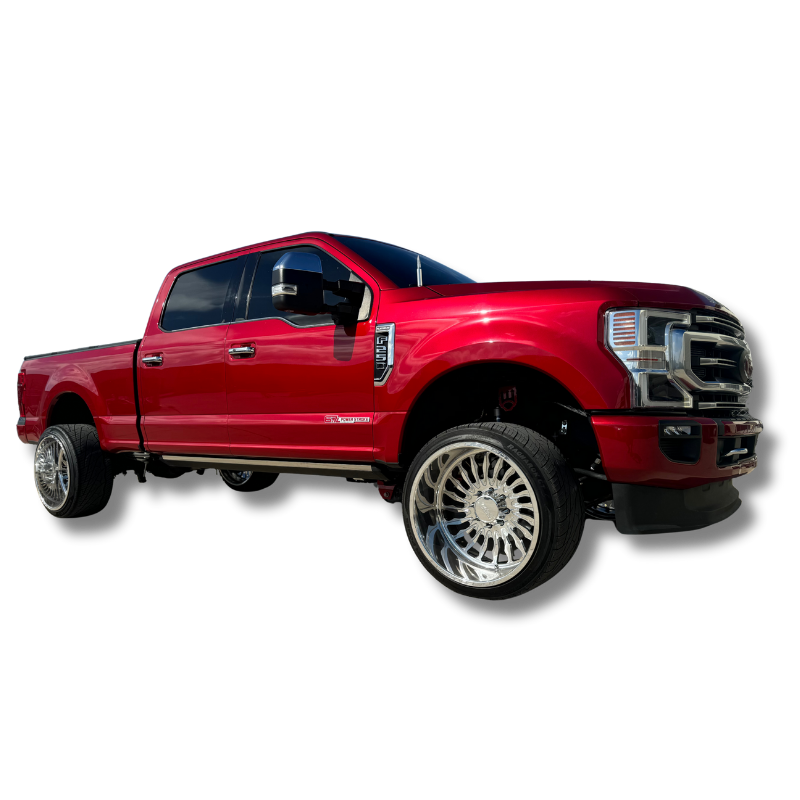
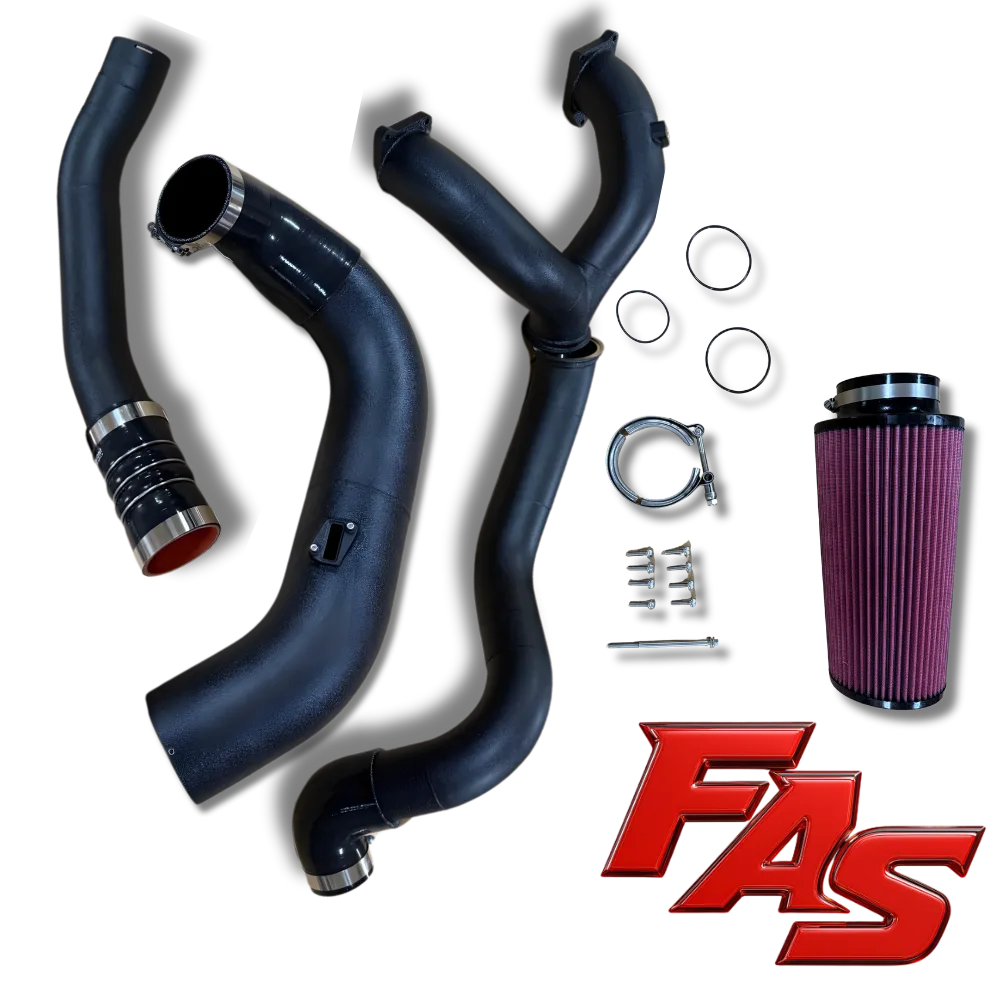
You have a truck. It runs fine. But the 0–60 feels soft, so you download a tune. The tune helps. Then you notice the intake is restrictive, so you swap it. Now the exhaust is the bottleneck, so that comes next. Three months later you’re pricing superchargers and explaining to someone why “it made sense at the time.”
This is the rabbit hole effect. It’s not a mistake. It’s physics.
Why It Actually Happens
Performance systems are interconnected. Improving one element exposes the limitation in the next element. This isn’t a flaw in the logic of modding — it’s the correct result of making something better.
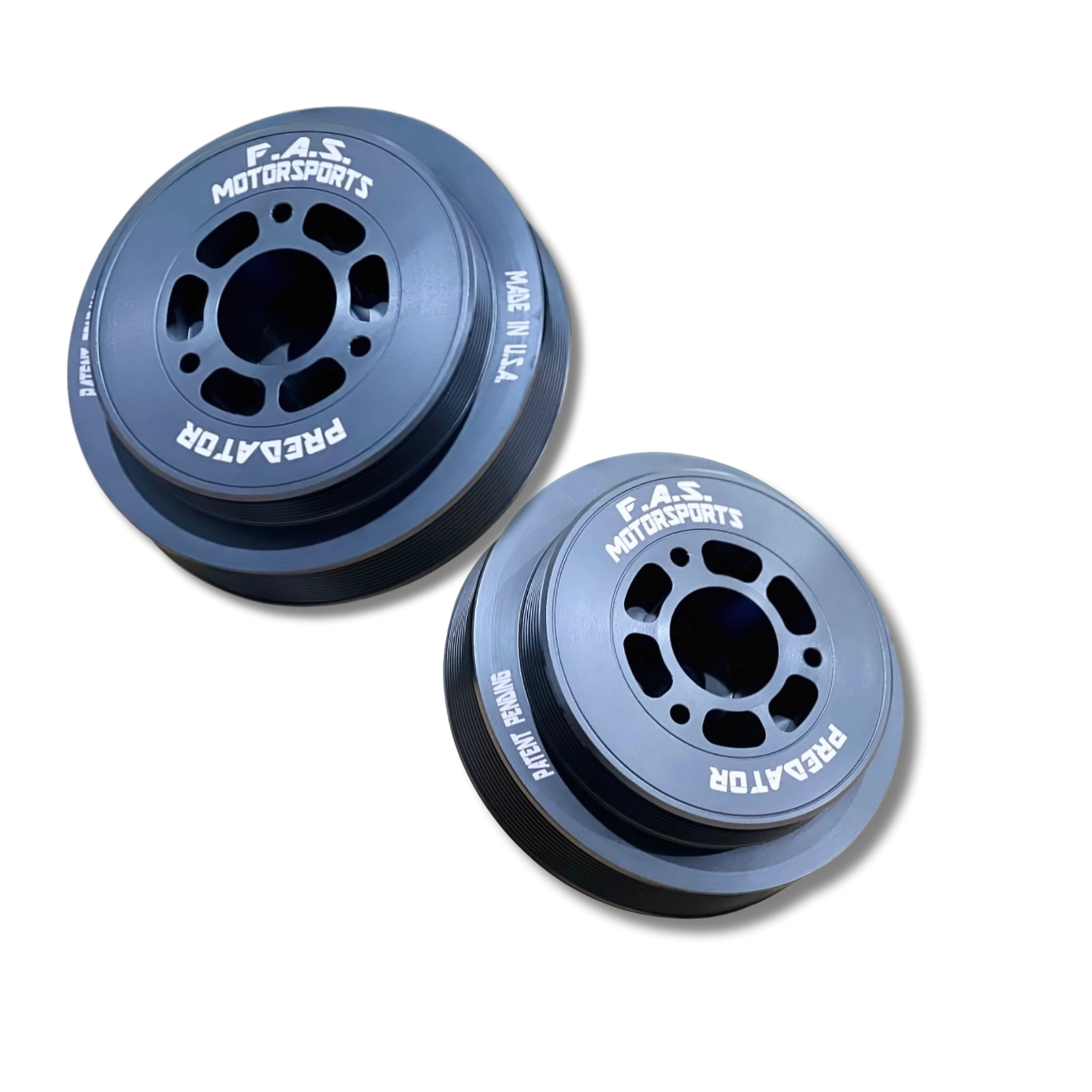
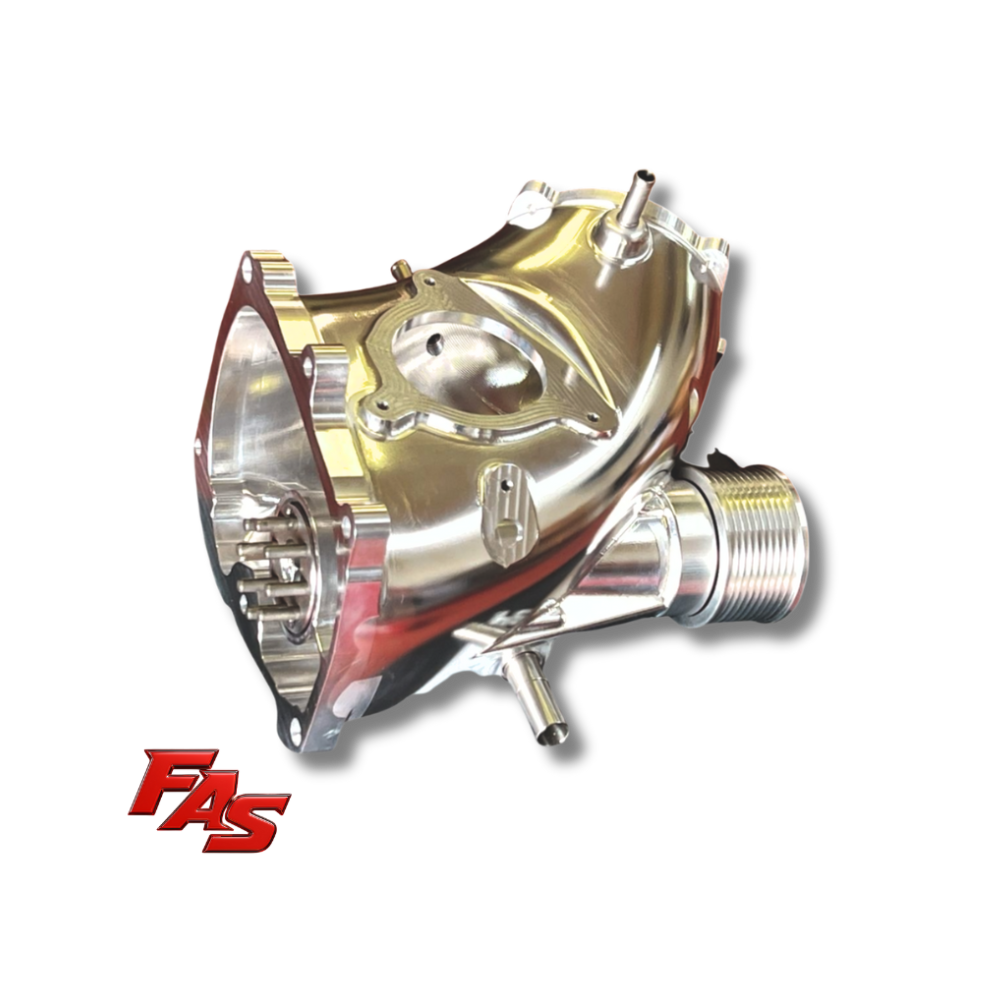
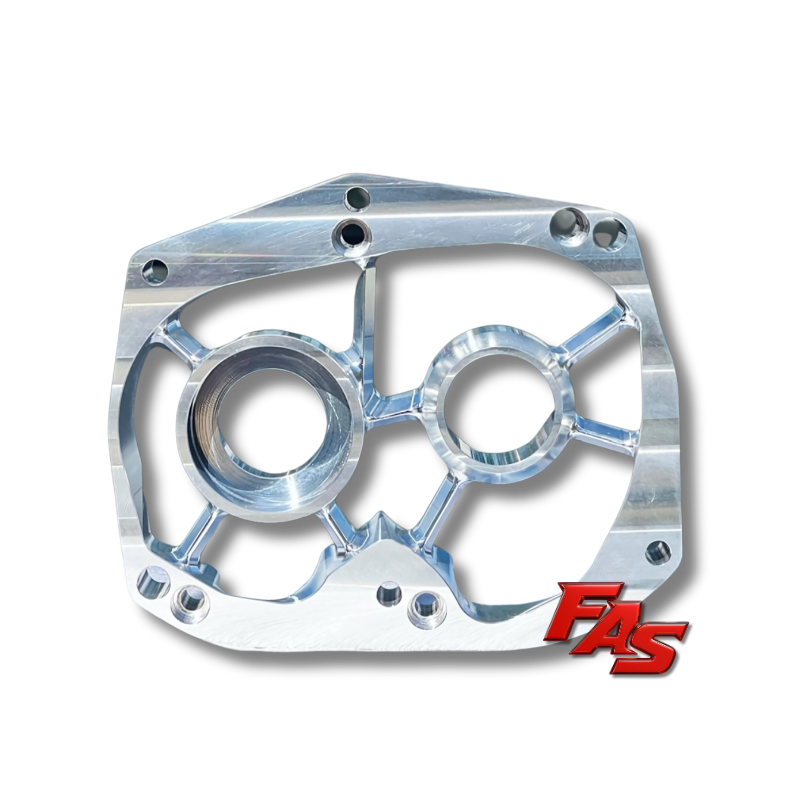
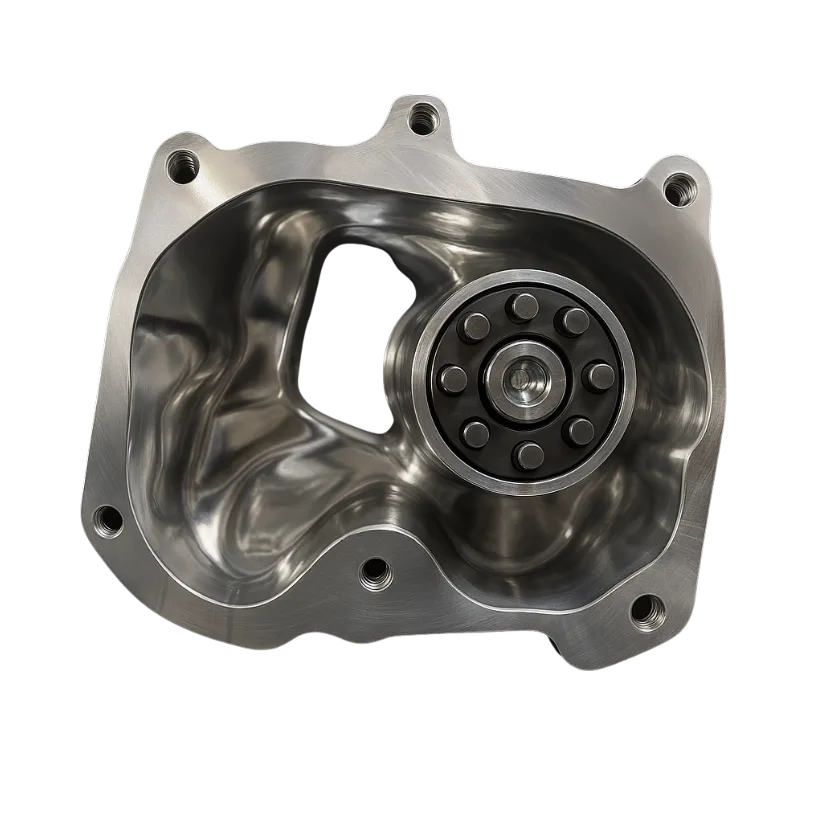
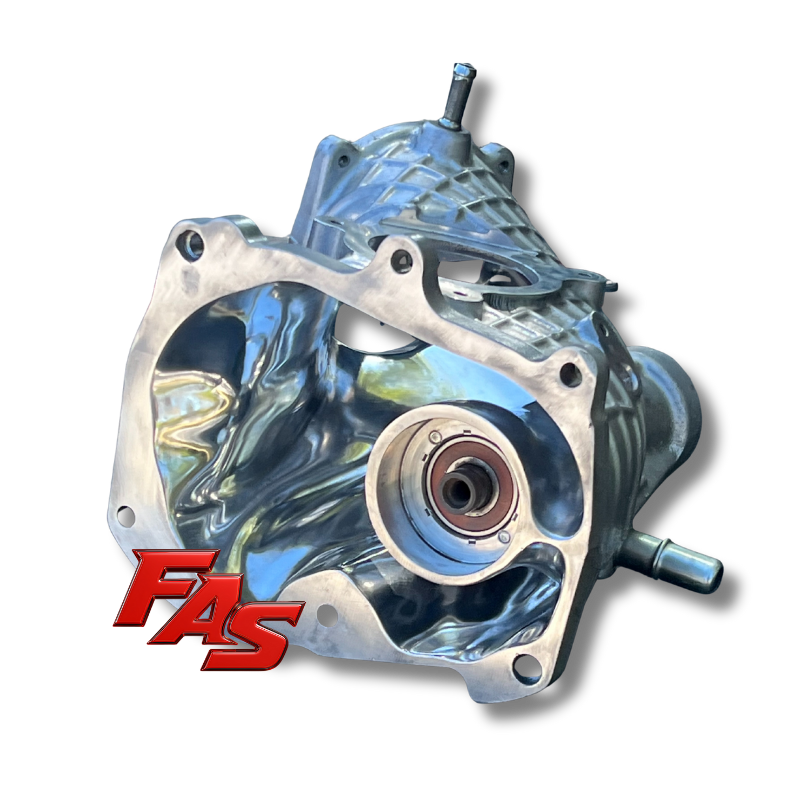
Tune the fuel table and the intake becomes the bottleneck. Fix the intake and the intercooler gets heat-soaked at higher airflow. Upgrade the intercooler and the factory blower housing restricts the inlet. Port the blower housing and you discover the rotor clearances are loose from 80,000 miles of heat cycling. Rebuild the blower and suddenly the whole car is 200 horsepower faster and you start thinking about tires.
Every honest performance builder has been here. The rabbit hole isn’t a sign of poor planning. It’s a sign that each previous modification actually worked.
The Three Types of Rabbit Holes
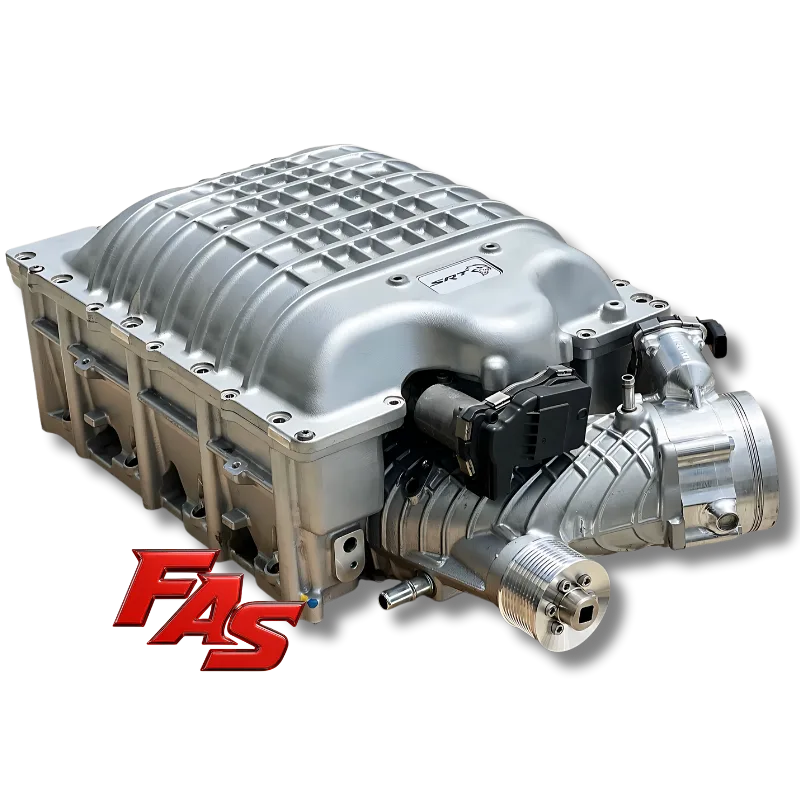
The Diagnostic Hole: You go in to fix one thing and find three more things. This is the most common entry point. You bring a supercharger in for a snout seal and we find the rotor bearing is showing wear and the inlet port has casting flash restricting airflow. Now you’re doing a full rebuild instead of a seal swap — but you’re also leaving with a blower that will outlast the car instead of one that grenades in 18 months.
The Power Hole: You hit a power target, drive it for a month, and the target moves. 600 hp felt like a lot until you drove something making 750. This one is completely your fault. We say this with respect. We are the same way.
The Reliability Hole: You push the power and something breaks. Now you’re in the deep end — forged internals, upgraded fuel system, supporting mods that keep the build alive at the new power level. This is actually the most productive rabbit hole. You come out with a car that’s built properly instead of one that’s fast on good days and broken on bad ones.
How to Fall In With Intention
The rabbit hole effect is unavoidable if you’re actually building something. The question isn’t how to avoid it — it’s how to fall in with a plan instead of reactively.
Build toward a target, not away from a problem. If your goal is 700 rwhp on E85 with daily drivability, every modification should be evaluated against that target. Does an intake manifold spacer move you toward 700 rwhp? Maybe. Does a catback exhaust on a supercharged positive-displacement engine? Mostly not — spend the money on porting.
Budget for the full system, not the first mod. If you’re buying a supercharger, budget for the intercooler upgrade, the tune, and the fuel system in the same planning cycle. The cost of doing these in sequence — paying labor three times instead of once — adds up fast.
Know what you’re actually trying to fix. We get calls from builders who’ve spent $8,000 on power adders and still have the same drivability problem they started with — because the root cause was a boost leak on a $40 coupler. Diagnose before you build.
What FAS Motorsports Does With Rabbit Holes
When a supercharger comes to us for porting or rebuild, we do a full tear-down inspection first. We tell you exactly what we find — what needs attention, what’s fine, and what will need attention in 20,000 miles if you don’t address it now.
That inspection is why some customers come in for a port job and leave with a rebuild recommendation. Not because we’re upselling — because opening up a supercharger that’s been working hard for 60,000 miles and finding hairline cracks on the snout housing is information you need. The choice of what to do with it is yours.
The rabbit hole is part of building. We’re here for every leg of it — from the first service call to the full build.
Explore FAS Motorsports supercharger services →
Related Posts
Hellcat Supercharger Porting Explained: What It Does and When You Need It
If you're pushing a Hellcat, TRX, or Trackhawk past 700 whp, you've probably asked about supercharger porting — here's what it is & if it's right for you.
Hellephant C170 Engine: What It Is, What It Makes, and What It Costs
The Dodge Hellephant C170 crate engine makes 1,000 hp and 950 lb-ft from 426 cubic inches. What it is, what it costs, and what a complete build runs.
LT4 & Hellcat Supercharger Porting: FAS Porting Process, Gains & What It Costs
LT4 (C7 Z06, ZL1), 2.4L Hellcat TVS, and 2.7L IHI supercharger porting done in-house. Precision CNC port work, flow-bench verified, shipped back in 3–5 business days from Punta Gorda, FL.