2.4L vs 2.7L Hellcat Supercharger — What's Actually Different and When to Upgrade

2.4L vs 2.7L Hellcat Supercharger — What's Actually Different and When to Upgrade
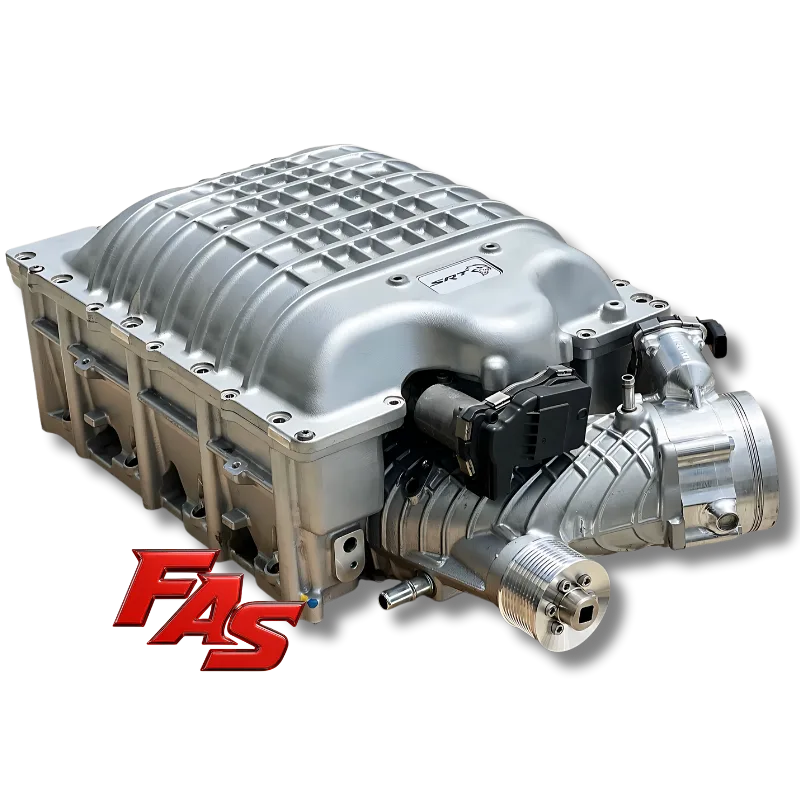
FCA built two distinct supercharger variants for the 6.2L Hellcat engine family. Both are Eaton TVS twin-screw units. Both bolt to the same intake manifold. But they are not the same blower, and the differences matter when you are planning a build past 600 wheel horsepower.
Here is what separates them, which platforms they came on from the factory, and how to know when moving to the larger unit is the right call for your build.
---
The Basics: What Is a TVS Supercharger?
TVS stands for Twin Vortices Series — Eaton's nomenclature for their four-lobe twisted rotor design. The number in the name (2300, 2650) refers to the displacement swept by the rotors per revolution in cubic centimeters.
The stock Hellcat runs a TVS2300. The Redeye, Demon, and Super Stock run a TVS2650. These are commonly referred to by their approximate liter displacement — 2.4L and 2.7L — though those are rounded figures, not the exact rotor volumes.
---
Factory Applications
2.4L TVS2300 — Standard Hellcat - Dodge Challenger SRT Hellcat (2015–2023): 707 HP - Dodge Charger SRT Hellcat (2015–2023): 707 HP - Jeep Grand Cherokee Trackhawk (2018–2021): 707 HP - Ram 1500 TRX (2021–2024): 702 HP - Dodge Durango SRT Hellcat (2021): 710 HP
2.7L TVS2650 — Redeye / Demon Platform - Dodge Challenger SRT Hellcat Redeye (2019–2023): 797 HP - Dodge Challenger SRT Demon (2018): 808 HP (840 HP with 100-octane tune) - Dodge Challenger SRT Super Stock (2020): 807 HP - Dodge Charger SRT Hellcat Redeye (2021–2023): 797 HP - Dodge Challenger SRT Demon 170 (2023): 1025 HP (E85)
---
Physical Differences
The two blowers look similar on the outside but differ in several meaningful ways:
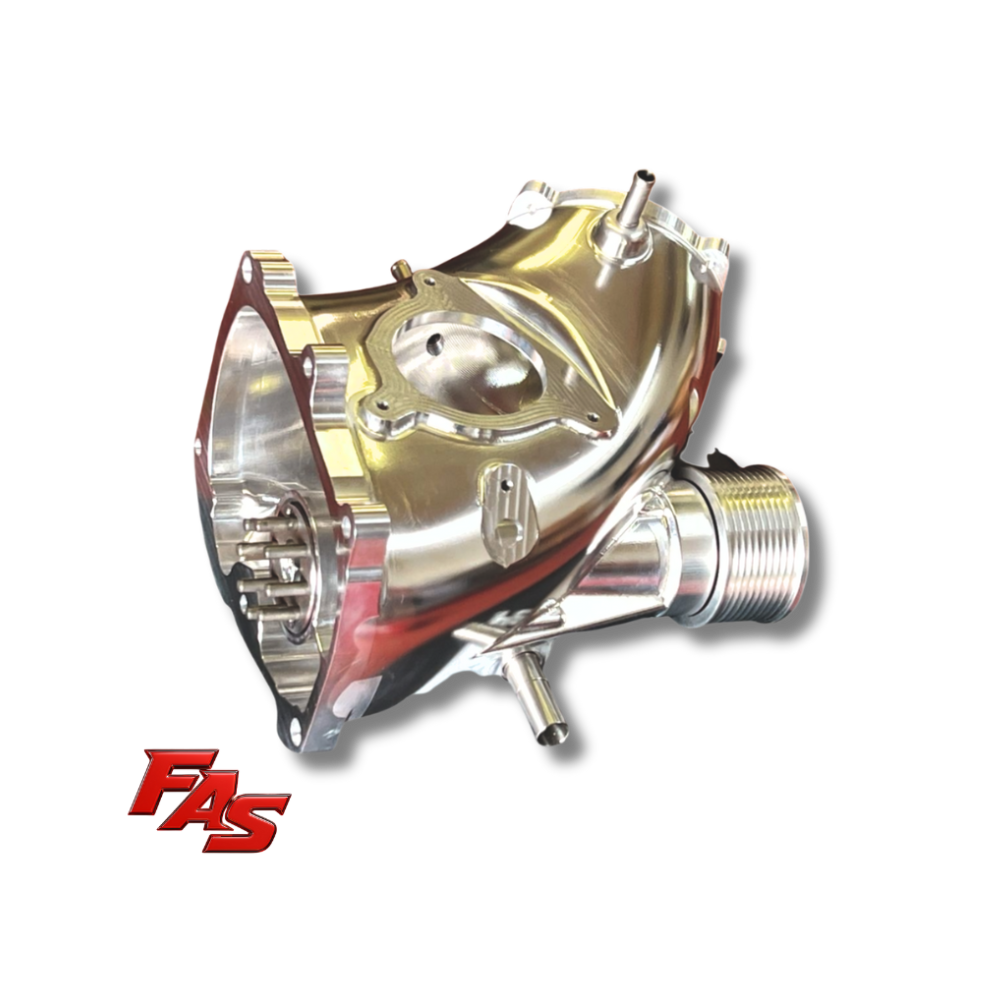
Rotor pack size. The 2.7L has larger rotors — more swept volume per revolution means more airflow potential at any given rotor speed. This is the fundamental capacity difference.
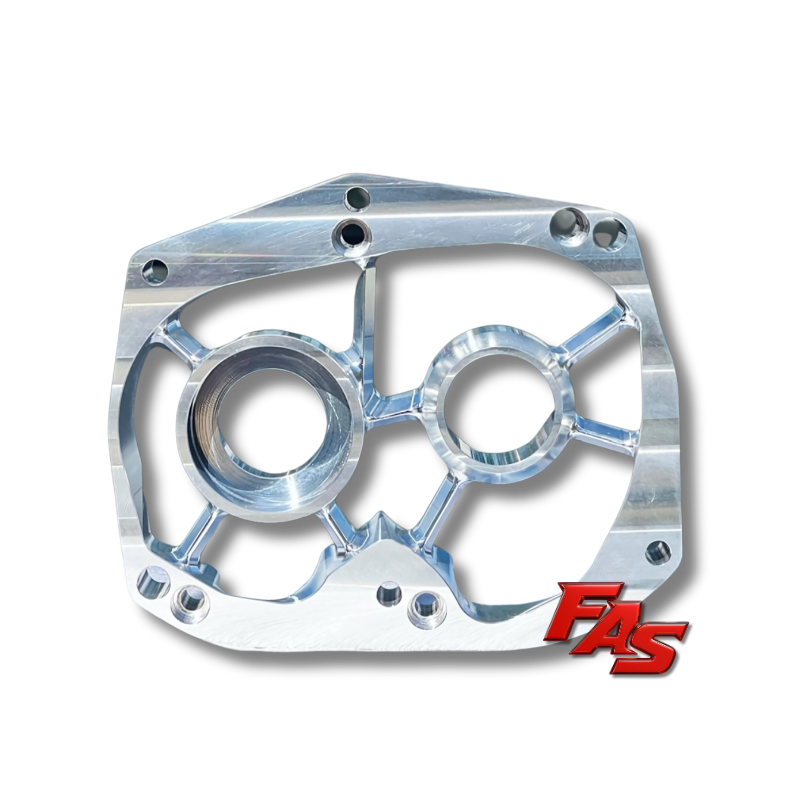
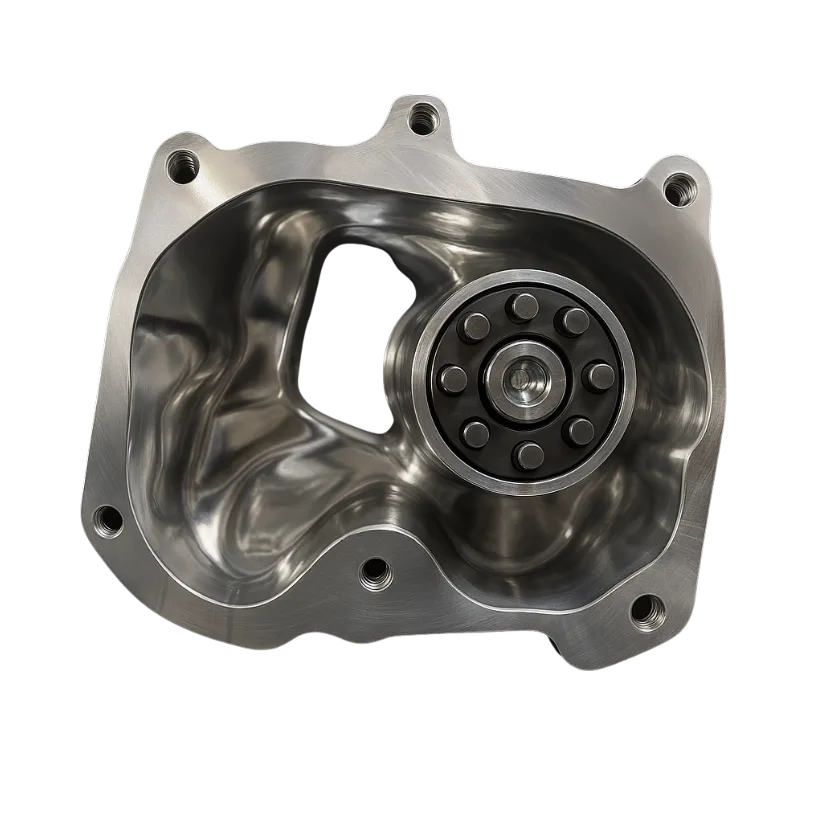
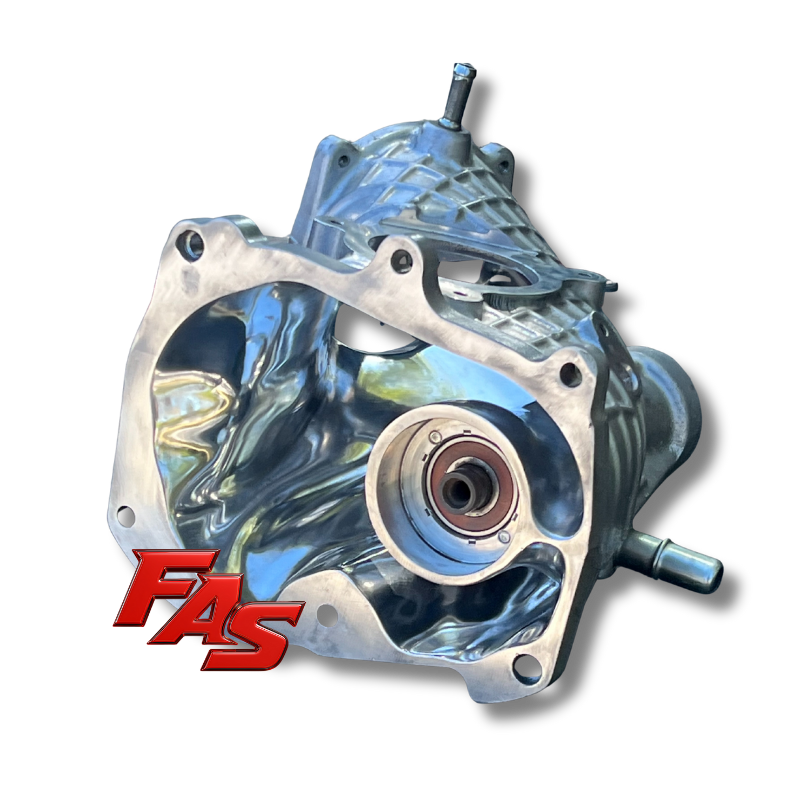
Snout diameter. The 2.7L snout is larger in diameter, which affects upper pulley sizing. A pulley that fits a 2.4L snout will not fit a 2.7L and vice versa — the bore is different. This is a critical detail if you are sourcing pulleys or a pulley removal tool.
Inlet port dimensions. The 2.7L inlet is physically larger, which supports higher volumetric flow without the inlet becoming a restriction. On the 2.4L at aggressive overdrive, the inlet port itself is one of the first areas that limits further power — which is why snout porting is so popular on the smaller unit.
Bypass valve calibration. Factory calibration differs between the two. When you swap a 2.7L into a 2.4L car, the tune needs to be built from scratch to account for the different flow characteristics and bypass behavior.
Weight. The 2.7L is heavier by a meaningful margin. For street cars this is irrelevant, but it is worth knowing if you are building an autocross or time attack car where rotating mass matters.
---
Performance Ceiling Comparison
On a stock-displacement 6.2L engine with supporting mods and a proper tune:
2.4L TVS2300 platform ceiling: - With upper pulley, ported snout, and cold air intake: approximately 580–630 WHP on 93 octane - With E85 tune and aggressive overdrive: 650–700+ WHP is achievable - The platform starts running out of airflow capacity around 600 WHP on pump gas with a naturally aspirated cylinder head
2.7L TVS2650 platform ceiling: - With upper pulley and supporting mods on 93 octane: 700–780 WHP - On E85 or race fuel with a quality tune: 800–900+ WHP on a stock-displacement engine - The larger rotor pack provides meaningful headroom above the 2.4L platform without changing the engine internals
These are real-world ranges observed across community dyno data — not manufacturer claims. Individual results depend heavily on tune quality, air temperature, altitude, and the health of the engine.
---
When Does Upgrading to the 2.7L Make Sense?
The 2.7L swap is not a first modification. It makes sense when:
You have maxed the 2.4L platform. If you are already running the smallest practical upper pulley, a ported snout, cold air intake, and a quality tune — and you want more — the 2.4L's rotor pack is genuinely limiting your airflow. That is when the larger displacement unit earns its cost.
Your power target is north of 650 WHP on pump gas. Below that threshold, the 2.4L with a proper overdrive pulley and ported snout will get you there. Above it, the 2.7L's additional flow capacity becomes the difference between hitting your number and chasing boost leaks and detonation.
You are building an E85 or flex fuel car. The 2.7L's airflow ceiling pairs well with the denser charge that ethanol produces. Running the 2.7L on E85 with a quality tune is how 800+ WHP numbers happen on a stock-bore 6.2L.
Your power target requires supporting the supercharger, not fighting it. A ported 2.7L snout, upper pulley, and lid spacer combination on a well-tuned car is a fundamentally different proposition than trying to squeeze the last 50 HP out of a 2.4L that is already at its ceiling.
---
What the 2.7L Does NOT Fix
A common misconception: the 2.7L does not automatically make more power. It increases the ceiling — but only if the tune, fuel, and engine are ready to use the additional airflow.
A 2.7L swap on a stock tune will run rich and likely pull timing. The factory Redeye tune is not a valid starting point for a swap into a base Hellcat car. You need a custom tune built on a wideband dyno for the specific combination, full stop.
The 2.7L also does not solve heat saturation on its own. Charge air temperatures are a function of rotor speed, inlet air temperature, and intercooler efficiency. A poorly intercooled 2.7L will heat soak just as thoroughly as a poorly intercooled 2.4L.
---
What About the Ported 2.4L vs Stock 2.7L?
This is a real debate in the community, and the honest answer is: it depends on your power target.
A ported 2.4L snout with a quality upper pulley, on a strong tune, can match or exceed a stock 2.7L at moderate power levels — typically up to around 620–650 WHP. The porting removes the inlet restriction that otherwise limits flow through the smaller rotor pack.
Above 650 WHP, the 2.4L's rotor pack runs out of swept volume regardless of snout modifications. At that point the 2.7L becomes the more efficient path — you are no longer fighting the hardware to hit your number.
---
Snout Compatibility and Pulley Sourcing
If you are planning a 2.7L swap into a 2.4L car: - The blower body bolts to the same intake manifold — the swap is physically possible - Upper pulley tooling must match the 2.7L snout bore, not the 2.4L bore - Pulley sizing ratios differ between the two units — do not carry over your 2.4L pulley logic directly - A new tune is mandatory — not a remap, a full build from a fresh base file
---
Summary
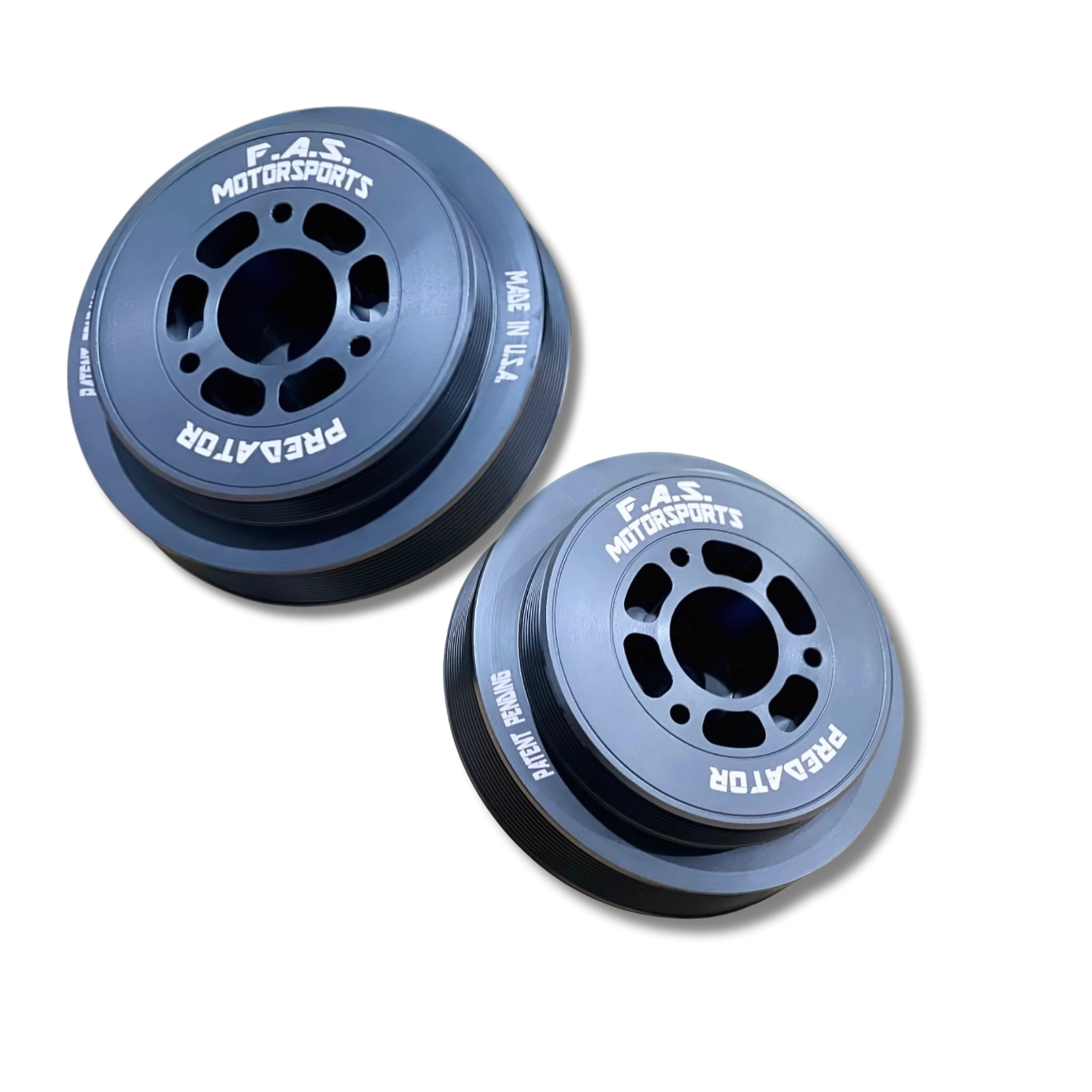
For most Hellcat owners building toward 550–620 WHP, the 2.4L with a Predator Performance upper pulley and a ported snout is the right call — it is cost-effective, bolt-on, and gets you to that number without a blower swap.
If your target is 650+ WHP on pump gas or 750+ WHP on E85, the 2.7L swap becomes the cleaner path. You are buying headroom you can actually use, rather than tuning around the limits of a smaller rotor pack.
Questions about which path makes sense for your specific build? Call us. We have put both combinations on the dyno and can give you a straight answer based on your power target, fuel, and budget.
Related Posts
Hellcat Supercharger Porting Explained: What It Does and When You Need It
If you're pushing a Hellcat, TRX, or Trackhawk past 700 whp, you've probably asked about supercharger porting — here's what it is & if it's right for you.
Hellephant C170 Engine: What It Is, What It Makes, and What It Costs
The Dodge Hellephant C170 crate engine makes 1,000 hp and 950 lb-ft from 426 cubic inches. What it is, what it costs, and what a complete build runs.
LT4 & Hellcat Supercharger Porting: FAS Porting Process, Gains & What It Costs
LT4 (C7 Z06, ZL1), 2.4L Hellcat TVS, and 2.7L IHI supercharger porting done in-house. Precision CNC port work, flow-bench verified, shipped back in 3–5 business days from Punta Gorda, FL.