Dodge Demon Supercharger: What's Under the Hood and How to Get More From It
Dodge Demon Supercharger: What’s Under the Hood and How to Get More From It
The Dodge Demon made news when it debuted in 2018 — the first production car banned from NHRA drag strips out of the box. The Demon 170 one-upped it in 2023 with 1,025 horsepower on E85. Both cars owe their extreme output to a forced induction system from the same family as the Hellcat blower, but with meaningful differences that matter if you’re looking to push further.
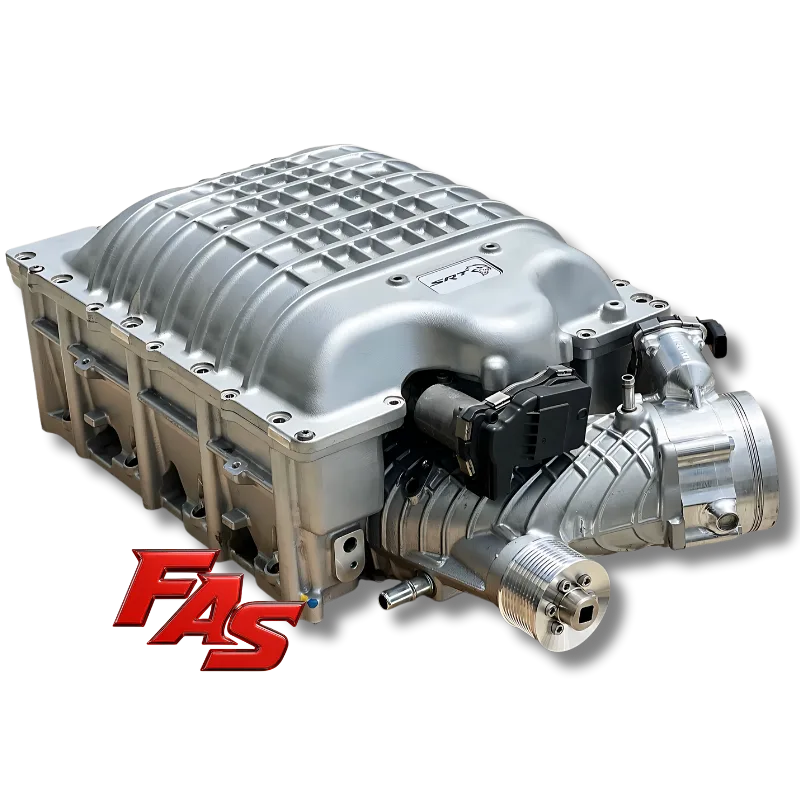
The Demon Supercharger: 2.7L IHI
The original Dodge Challenger SRT Demon (2018) uses a 2.7L IHI twin-screw positive displacement supercharger. The Hellcat runs a 2.4L version of the same IHI blower design — same manufacturer, same basic architecture, different displacement.
Increasing from 2.4L to 2.7L means the Demon blower displaces more air per rotation, allowing it to sustain higher boost pressure at a given RPM without spinning as hard. The result at the crank: 840 hp on 91 octane and 840 lb-ft of torque from the factory (Demon), versus the Hellcat’s 717 hp.
Demon vs Hellcat Supercharger: Key Differences
| Spec | Hellcat | Demon (2018) | Demon 170 |
|------|---------|--------------|-----------|
| Blower displacement | 2.4L | 2.7L | 3.0L |
| Manufacturer | IHI | IHI | IHI |
| Stock boost (approx) | ~11 psi | ~14 psi | ~21 psi |
| Factory HP | 717 | 840 | 1,025 |
| Intercooler | Stock liquid-air | Upgraded liquid-air | Larger upgraded |
All three use liquid-to-air intercoolers integrated into the intake manifold. The Demon received an upgraded intercooler versus the standard Hellcat unit — more cooling capacity to handle the higher output.
The Demon 170 Supercharger: 3.0L
For the 2023 Demon 170, Dodge moved to a 3.0L IHI supercharger — the largest displacement version of the IHI twin-screw family. On E85, it puts 1,025 hp to the crank. On 91 octane, the ECU pulls timing and boost, producing around 900 hp.
The 3.0L unit is a different casting than the 2.4L and 2.7L. It shares the same mounting pattern (allowing cross-compatibility with modifications within the platform), but the rotor pack and housing are sized differently. This is relevant if you’re looking at blower swaps or rotor upgrades.
How the IHI Supercharger Family Works
All three variants — 2.4L (Hellcat), 2.7L (Demon), 3.0L (Demon 170) — operate on the same principle: two counter-rotating helical rotors trap air between them and the housing, compressing it as the rotor geometry reduces volume. Air exits the blower compressed and hot, then passes through the liquid-to-air intercooler before entering the cylinders.
The intercooler uses cold water (or ice water for max attack) circulated from a reservoir to strip heat from the compressed charge. Demon and Demon 170 both have larger intercooler capacity than the standard Hellcat to handle the additional thermal load at higher boost levels.
What Limits Demon and Demon 170 Power?
Factored at the stock blower’s limits:
Demon (2.7L, 840 hp): The blower itself has headroom beyond factory output. The limits at stock are tuning constraints and fuel (91 octane) rather than the blower hitting its efficiency ceiling. On E85 with supporting mods, the 2.7L has more to give.
Demon 170 (3.0L, 1,025 hp): Closer to the limits of what the stock drivetrain can handle. The blower has efficiency headroom, but the transmission, differential, and driveshaft become the binding constraints before the blower does.
Porting the Demon Supercharger
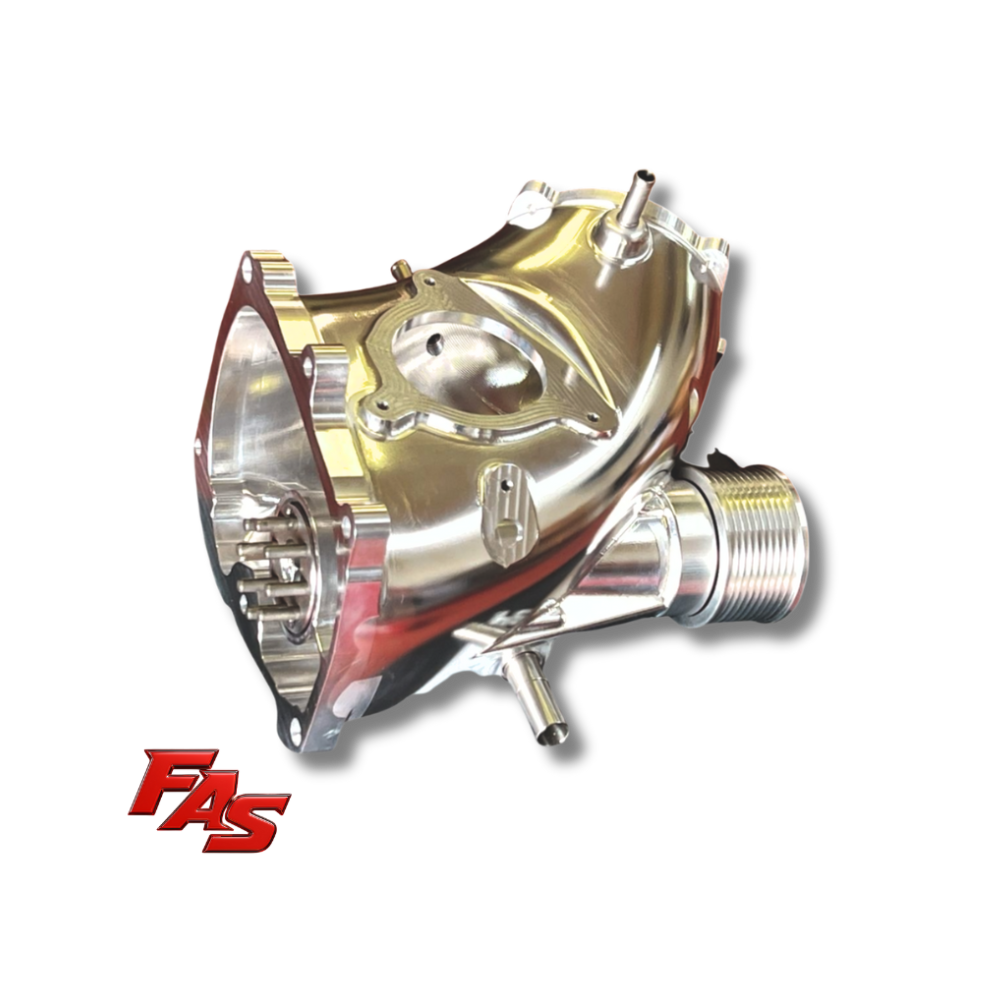
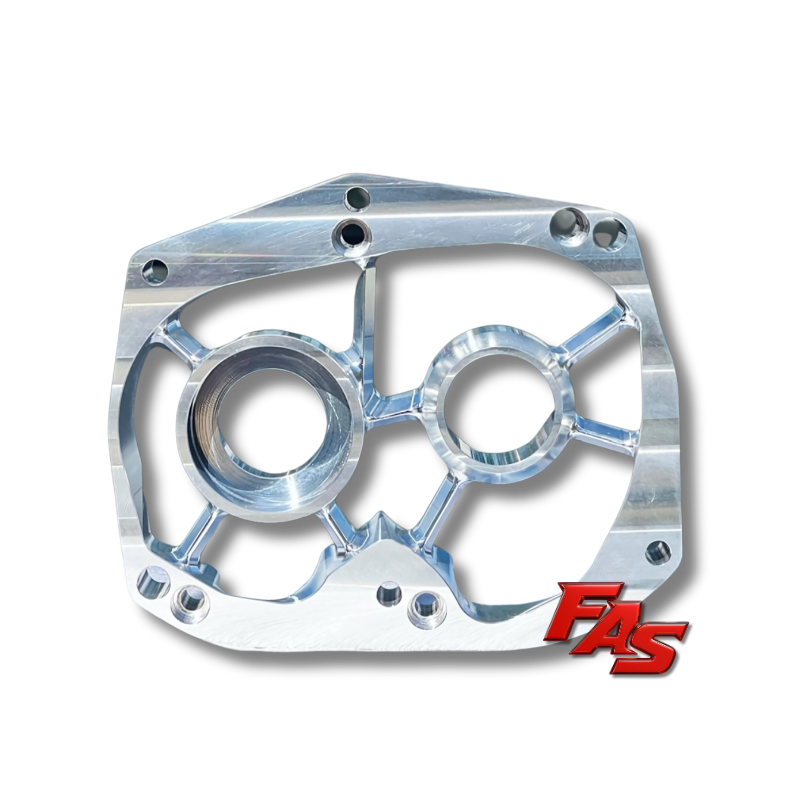
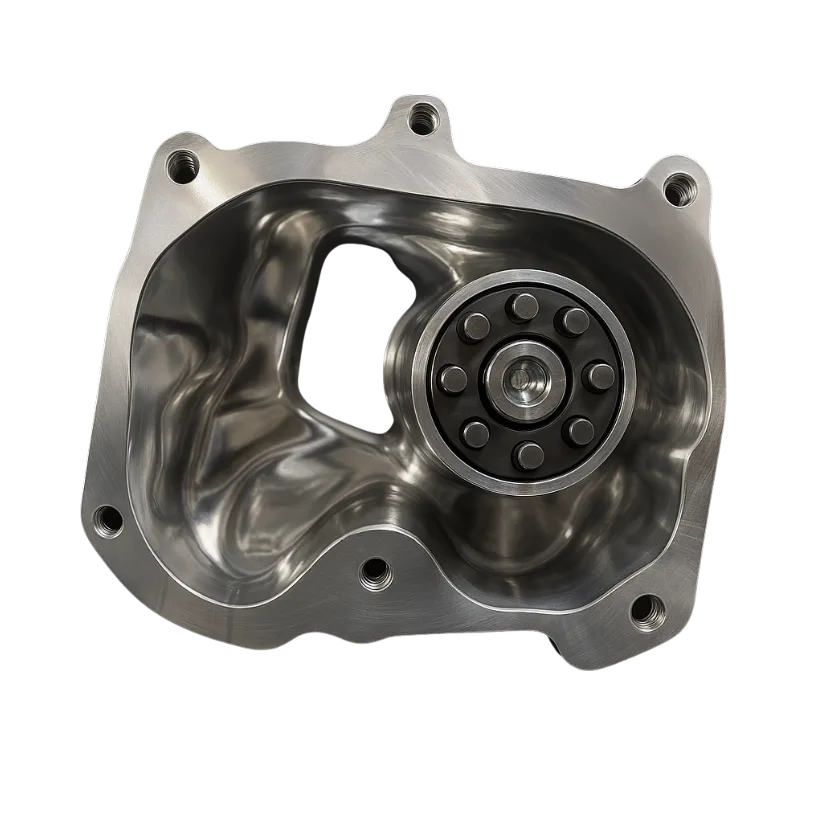
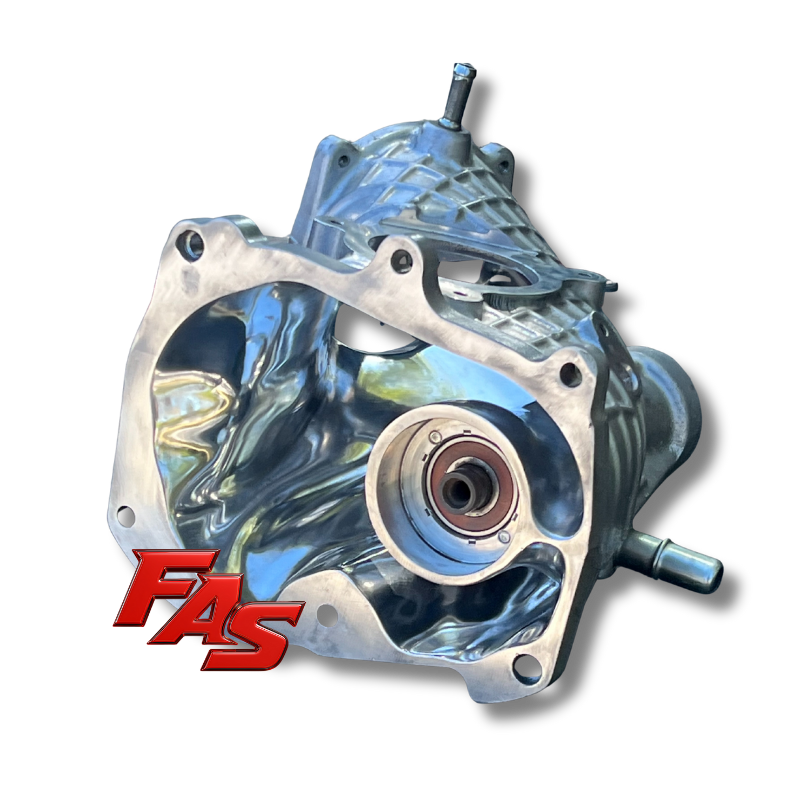
The same porting improvements that benefit the Hellcat’s 2.4L IHI translate to the Demon’s 2.7L unit. Porting removes restriction from the inlet and rotor housing, allowing the blower to flow more air with less parasitic heat generation. For a blower already running 14 psi, reducing airflow restriction means maintaining that boost level more efficiently — or achieving it with less drive force, freeing up more net power.
For Demon builds pushing into higher output territory with supporting mods (cam, heads, E85), a ported blower is part of the equation before adding more aggressive supporting modifications.
The 3.0L Demon 170 unit is less commonly ported today due to low production numbers, but the same principles apply — the IHI architecture is well-understood across all three displacements.
Snout Upgrades on the Demon Platform
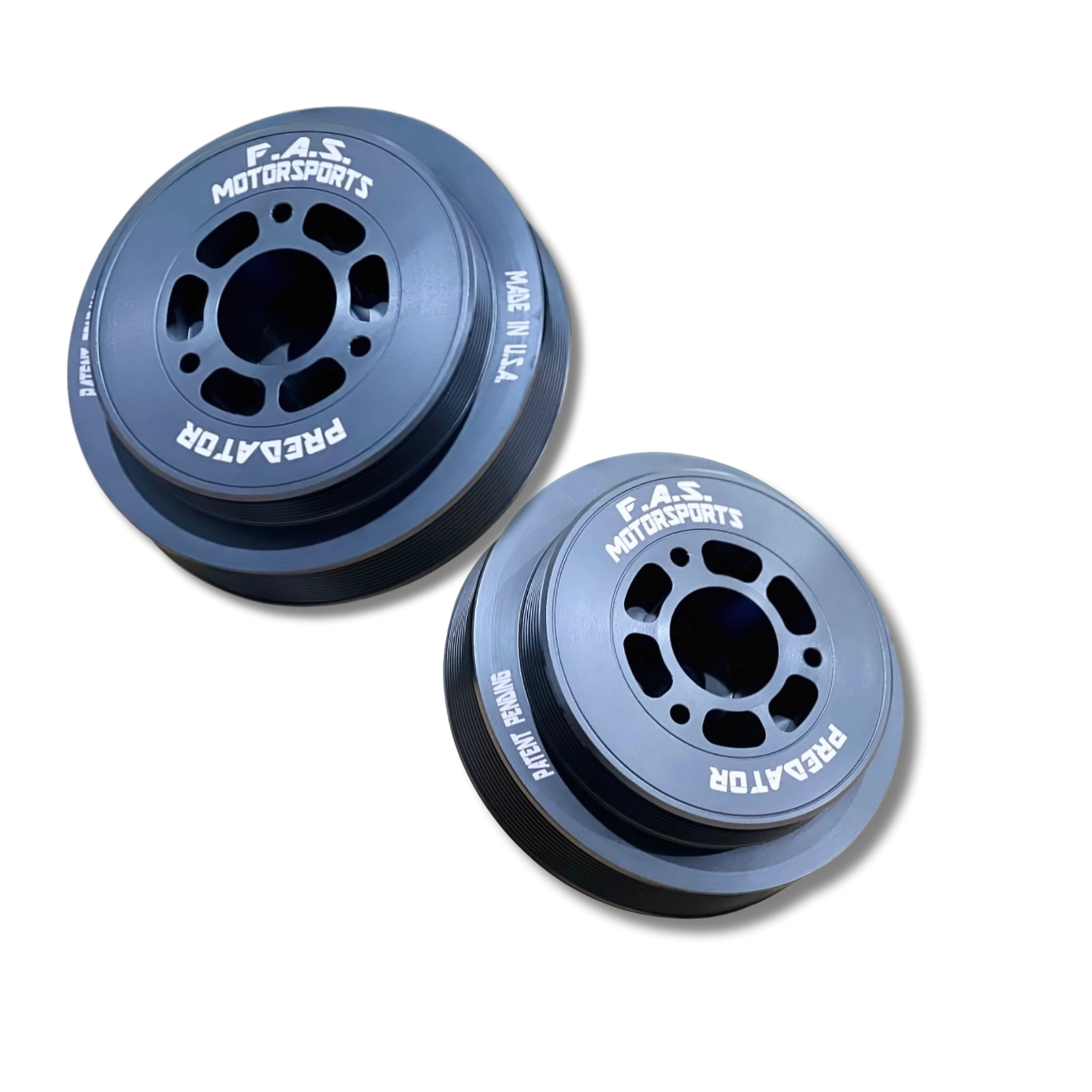
The supercharger snout (the front-mounted bearing and pulley assembly) is the wear-and-failure point under sustained high-boost operation. At aggressive power levels or track use, the snout bearings take substantial load. Upgraded snout bearings with improved materials and geometry are a strong reliability modification for Demon builds going beyond stock output.
This is particularly relevant for Demon 170 owners who run the car hard — a stock snout isn’t designed for extended track sessions at those power levels.
What FAS Motorsports Offers for Demon Owners
We work on the full IHI supercharger family — 2.4L, 2.7L, and 3.0L variants. Services include:
- Supercharger porting for improved airflow and efficiency
- Snout bearing replacement and upgrade for high-load use
- Supercharger rebuild for worn or high-mileage units
If you have a Demon or Demon 170 and want to understand what the blower can do beyond stock, reach out to us. We’ll give you a straight answer about what the porting path delivers on your specific build before you commit to anything.
Related Posts
Hellcat Supercharger Porting Explained: What It Does and When You Need It
If you're pushing a Hellcat, TRX, or Trackhawk past 700 whp, you've probably asked about supercharger porting — here's what it is & if it's right for you.
Hellephant C170 Engine: What It Is, What It Makes, and What It Costs
The Dodge Hellephant C170 crate engine makes 1,000 hp and 950 lb-ft from 426 cubic inches. What it is, what it costs, and what a complete build runs.
LT4 & Hellcat Supercharger Porting: FAS Porting Process, Gains & What It Costs
LT4 (C7 Z06, ZL1), 2.4L Hellcat TVS, and 2.7L IHI supercharger porting done in-house. Precision CNC port work, flow-bench verified, shipped back in 3–5 business days from Punta Gorda, FL.