Trackhawk vs TRX: Cost Per Horsepower Compared
Trackhawk vs TRX: Cost Per Horsepower Compared
Power is never free. The question is what you’re buying per dollar.
Both the Trackhawk and the TRX can be pushed well past stock output, but the cost structure is different. Here’s a realistic breakdown of what you’ll spend at each stage — and what you’ll get for it.
Starting Points
Trackhawk (stock): 707 hp / ~600 whp (wheel horsepower, assume 15% drivetrain loss)
TRX (stock): 702 hp / ~595 whp
Both start in essentially the same place. The TRX has the 2.7L supercharger advantage at higher power levels, but from the factory they’re within single-digit percentage points of each other.
Stage 1: Tune Only (~$800–$1,200)
Trackhawk: A quality E85 or flex-fuel tune on a stock Trackhawk typically adds 50–70 whp. Budget $800–$1,000 for a custom remote tune; more for a dyno session.
TRX: Similar results — 50–70 whp gains from a custom tune on an otherwise stock 2.7L. Same price range.
Cost per horsepower at Stage 1: Both platforms: ~$12–20/whp added. This is the highest-ROI modification on both vehicles.
Stage 2: Supercharger Porting + Tune (~$1,800–$2,500 total)
This is where the Trackhawk shows its value proposition.
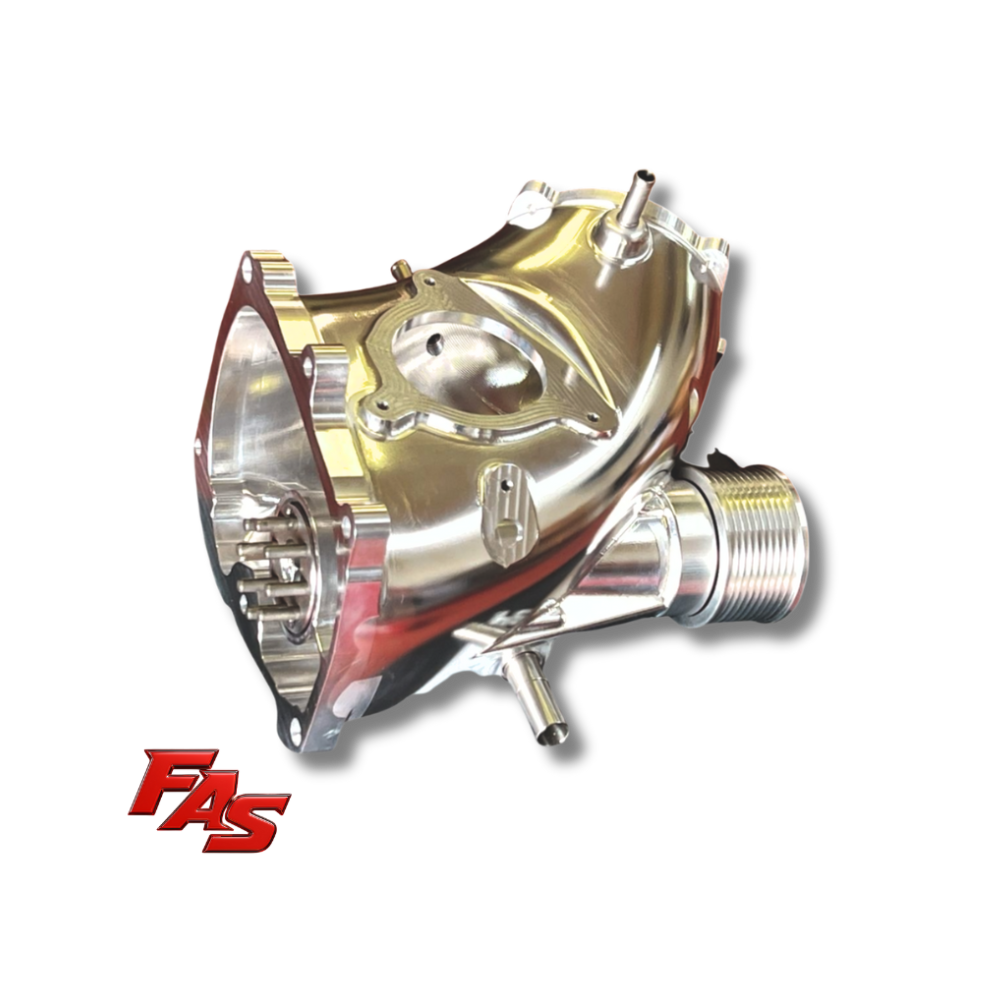
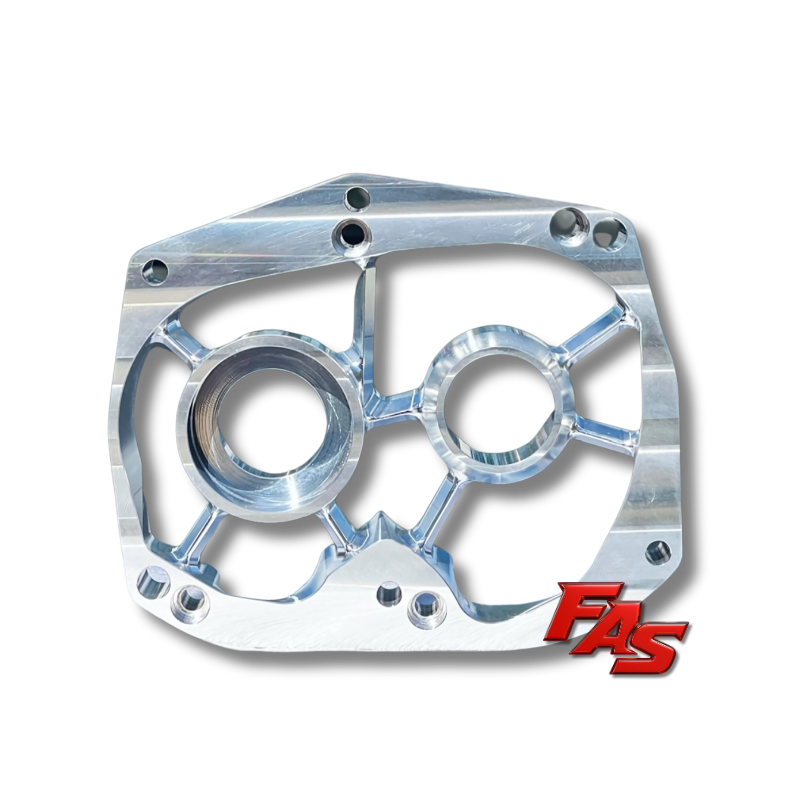
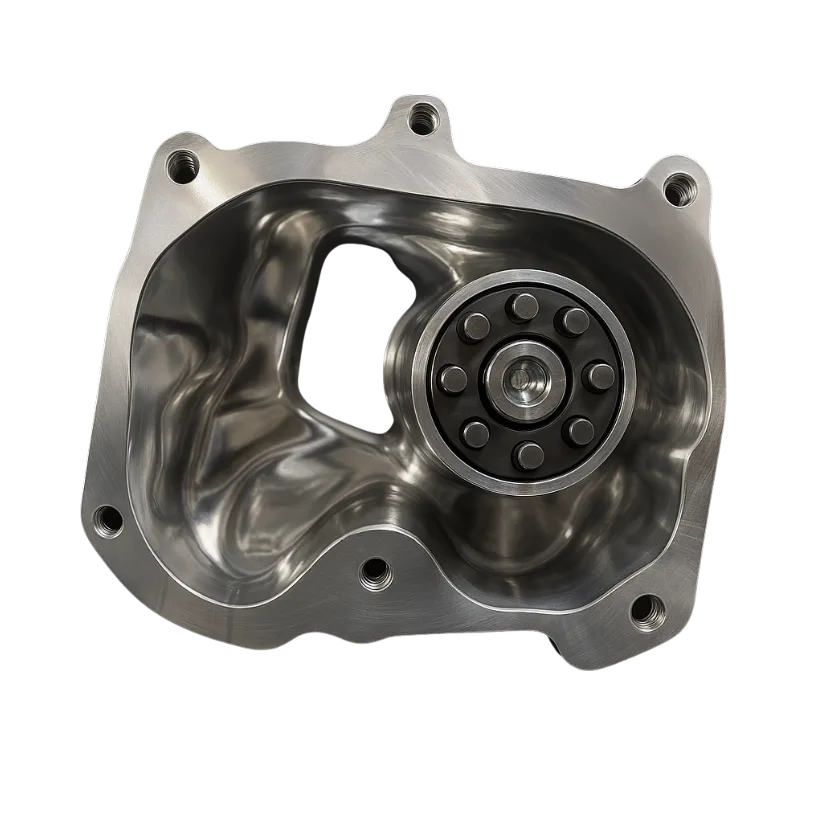
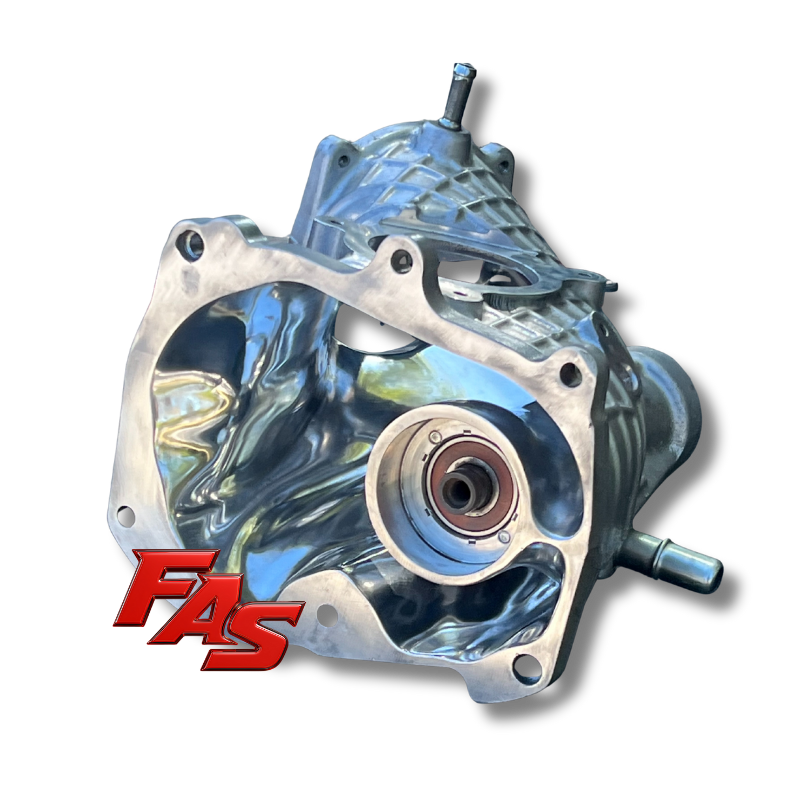
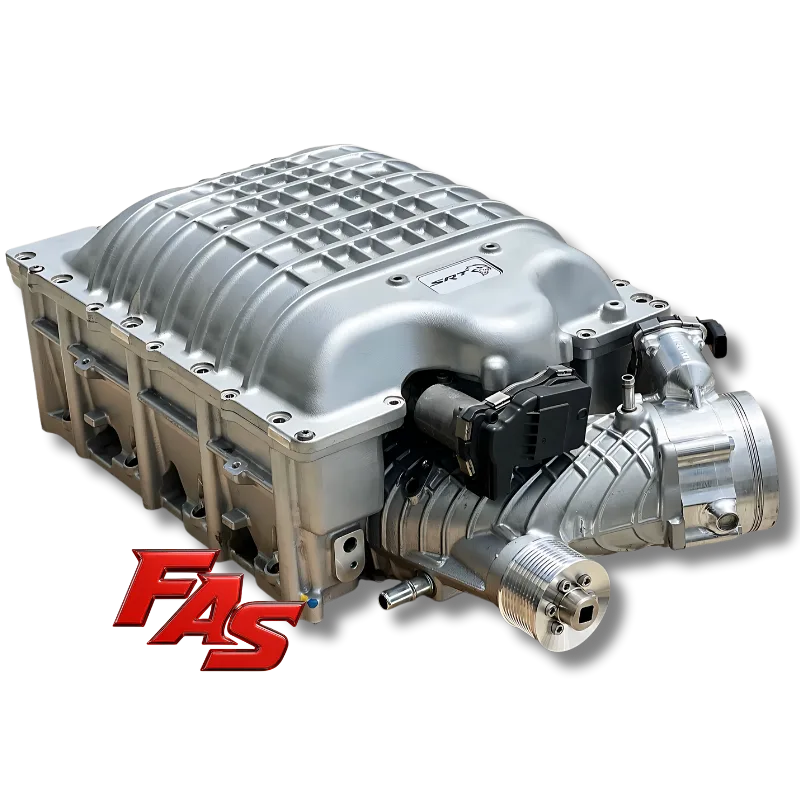
Trackhawk (2.4L porting): FAS Motorsports snout porting typically adds 30–50 whp on a tuned car. Combined with Stage 1, expect 80–120 whp total gain. Porting cost: $1,000–$1,500. Combined with tune: $1,800–$2,500 all-in.
TRX (2.7L porting): The 2.7L benefits from porting but gains are slightly less dramatic in percentage terms because the factory unit already flows more air. Expect 25–40 whp from porting alone. Dollar cost is similar to the 2.4L.
Cost per horsepower at Stage 2:
- Trackhawk: ~$15–25/whp added
- TRX: ~$20–30/whp added
The Trackhawk wins this round. The tighter factory inlet makes it more responsive to porting work.
Stage 3: Pulley Upgrades (~$500–$1,500 in parts + tune)
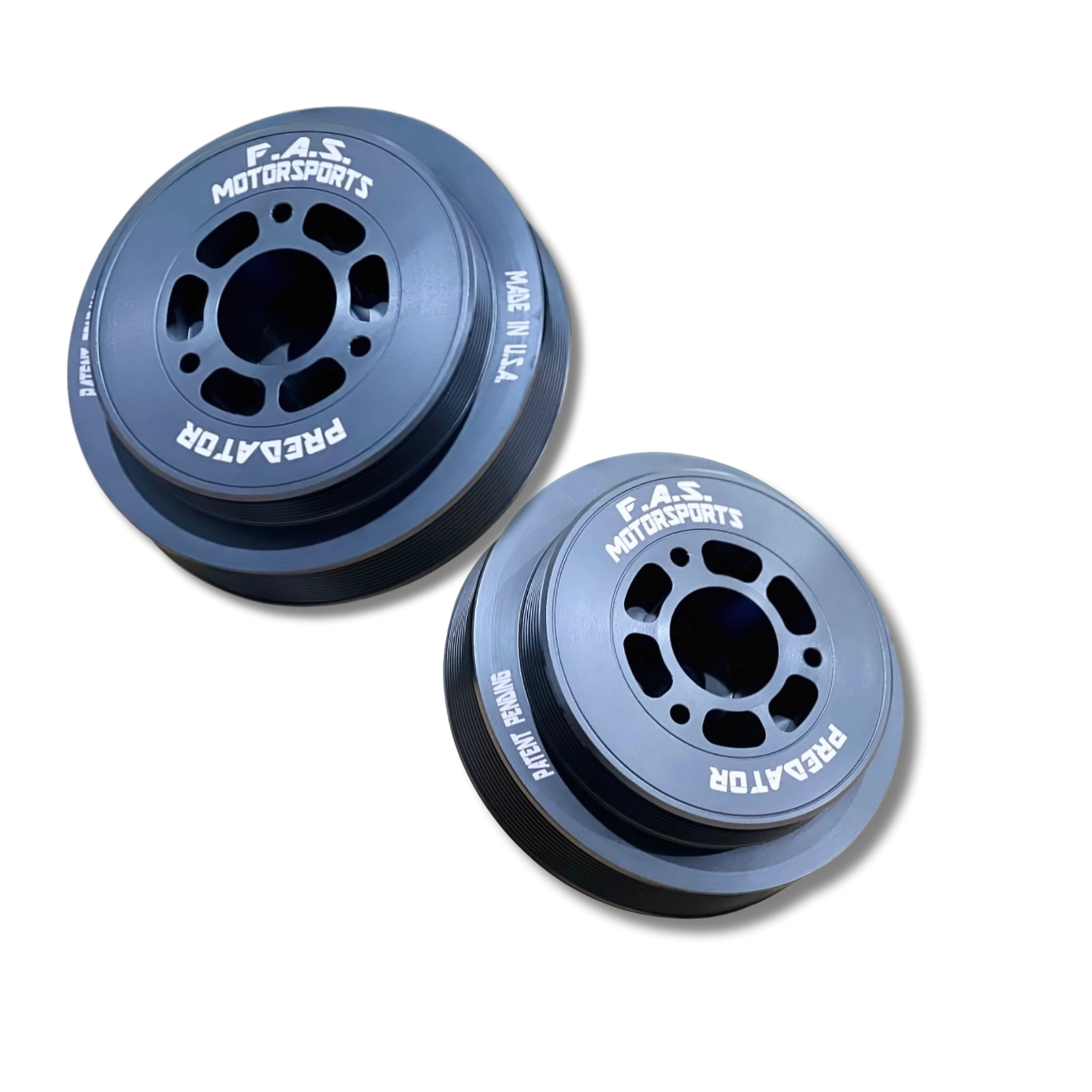
Trackhawk (upper + lower pulley, retuned): A 10% upper pulley and 20% lower crank pulley combination typically pushes the 2.4L to 750–800 whp on a good tune with supporting mods. Budget: $500–$800 in pulleys, plus $400–$600 for retune.
TRX (upper + lower pulley, retuned): The same pulley strategy on the 2.7L typically yields 800–900 whp, because the larger rotor displaces more air at equivalent RPM. Budget is similar in parts cost.
Cost per horsepower at Stage 3:
- Trackhawk: ~$35–50/whp added (costs rising, gains per dollar falling)
- TRX: ~$25–40/whp added (better efficiency at this level)
At Stage 3, the TRX pulls ahead in cost efficiency.
Stage 4: Supporting Mods (~$2,000–$5,000+)
At 800+ whp, both platforms need supporting modifications:
- Upgraded fuel injectors: $400–$700 (both platforms)
- E85 flex fuel conversion kit: $400–$600
- Upgraded heat exchanger / intercooler chiller: $800–$2,500 (Trackhawk needs this more urgently)
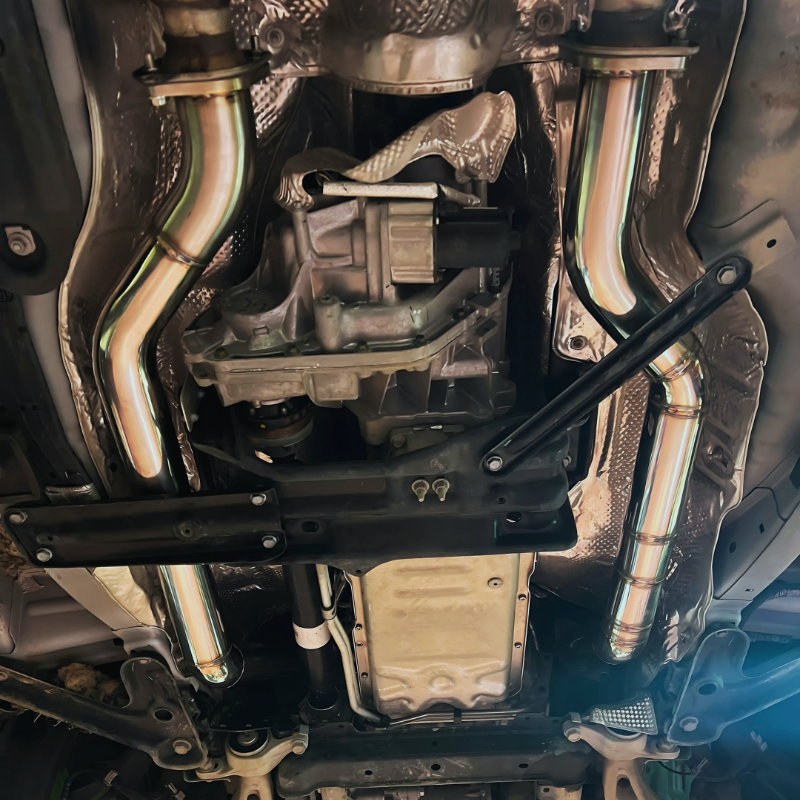
- Drivetrain upgrades (Trackhawk transfer case): $1,500–$3,000
- Driveshaft upgrades: $800–$1,500
At Stage 4, the Trackhawk’s total cost is higher. The transfer case issue is real above 800 whp, and thermal management hardware adds cost. TRX owners typically get to Stage 4 power levels with fewer required supporting modifications.
Total Build Cost Summary
| Stage | Target Power | Trackhawk Cost | TRX Cost |
|-------|-------------|----------------|----------|
| Stage 1 (Tune) | 650–670 whp | $800–1,200 | $800–1,200 |
| Stage 2 (Port + Tune) | 700–730 whp | $2,600–3,700 | $2,800–3,700 |
| Stage 3 (Pulleys + Tune) | 750–800 whp | $3,600–5,000 | $3,800–5,000 |
| Stage 4 (Full Build) | 850–950 whp | $8,000–14,000+ | $7,000–12,000+ |
Which Platform Gets You More for Your Money?
At Stage 1–2: The Trackhawk has slightly better ROI per dollar, primarily because the 2.4L responds aggressively to porting.
At Stage 3–4: The TRX pulls ahead. The 2.7L’s larger displacement ceiling means you spend less on supporting systems to hold the same power level.
Total build cost to 850 whp:
- Trackhawk: $10,000–$14,000 with required supporting mods
- TRX: $8,000–$12,000
If you’re building to maximum power, the TRX is more cost-efficient. If you’re building to 700–750 whp and stopping there, both platforms cost roughly the same.
The Right Question to Ask
Don’t just ask “how much power can it make?” Ask: “how much power do I actually want, and what will it cost me to hold that power reliably for the next 50,000 miles?”
The answer determines which platform makes more financial sense for your goals.
Questions about your build? Contact FAS Motorsports — we work on both platforms and can give you a realistic cost estimate for your specific goals.
Related Posts
Hellcat Supercharger Porting Explained: What It Does and When You Need It
If you're pushing a Hellcat, TRX, or Trackhawk past 700 whp, you've probably asked about supercharger porting — here's what it is & if it's right for you.
Hellephant C170 Engine: What It Is, What It Makes, and What It Costs
The Dodge Hellephant C170 crate engine makes 1,000 hp and 950 lb-ft from 426 cubic inches. What it is, what it costs, and what a complete build runs.
LT4 & Hellcat Supercharger Porting: FAS Porting Process, Gains & What It Costs
LT4 (C7 Z06, ZL1), 2.4L Hellcat TVS, and 2.7L IHI supercharger porting done in-house. Precision CNC port work, flow-bench verified, shipped back in 3–5 business days from Punta Gorda, FL.