Hellcat Supercharger Sizes: 2.4L vs 2.7L — What's the Difference?
Hellcat Supercharger Sizes: 2.4L vs 2.7L — What’s Different and Which One Is Right for Your Build
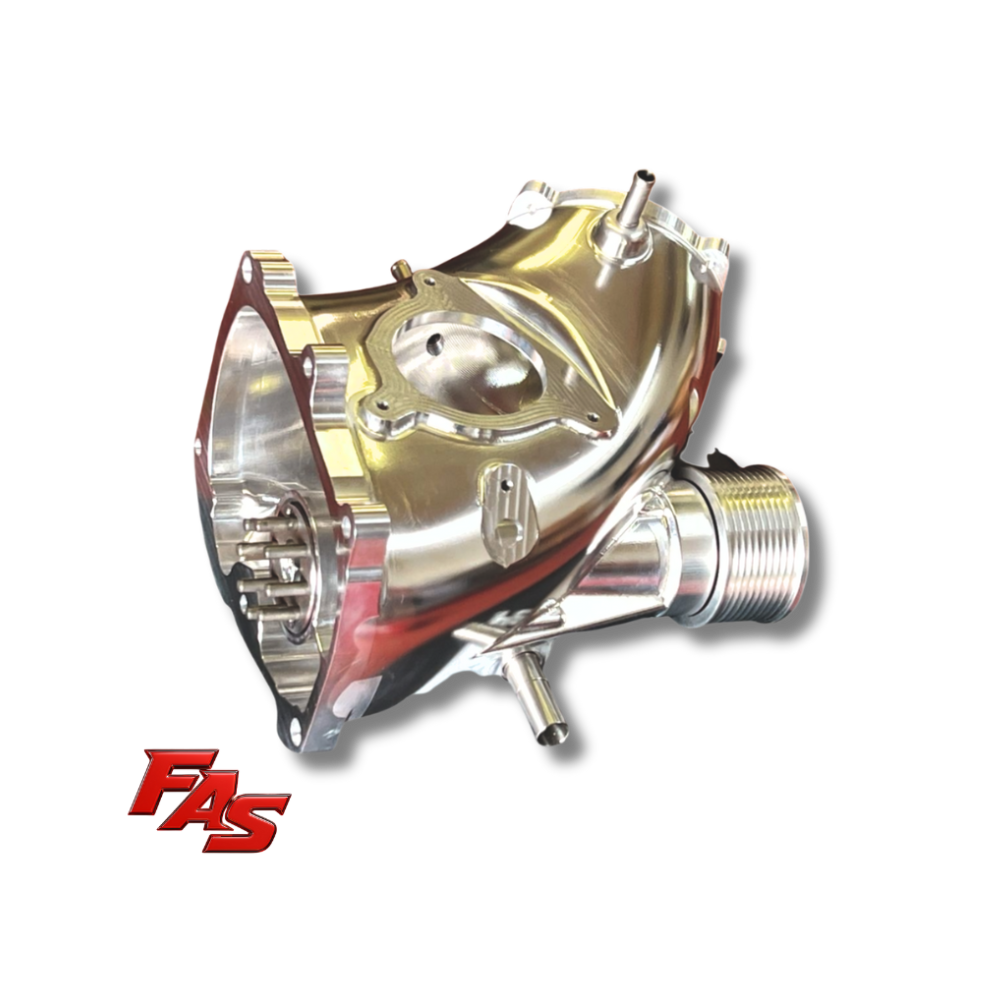
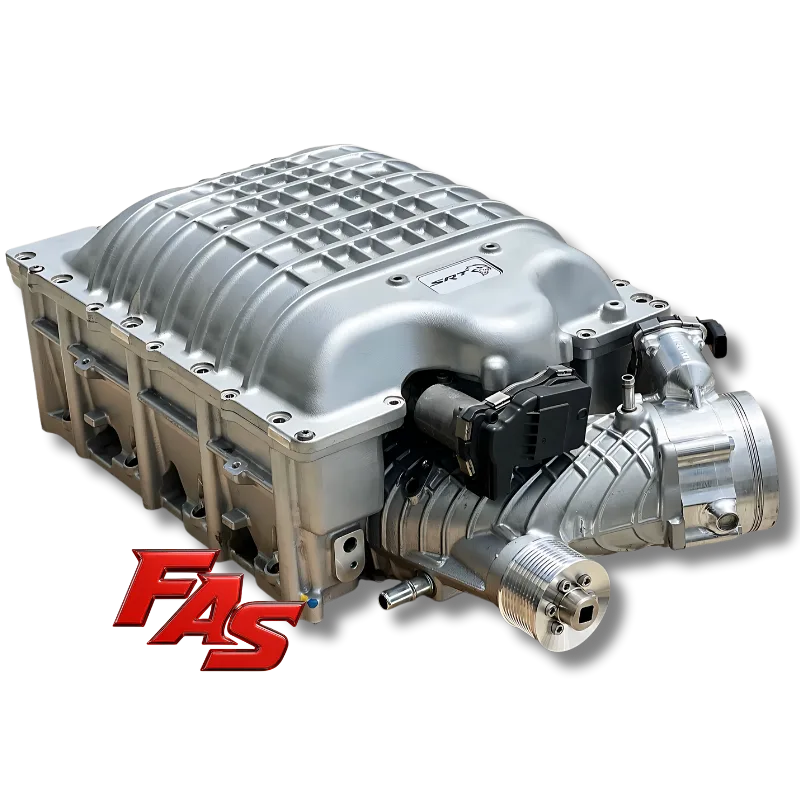
If you’re shopping for a used Hellcat supercharger — or trying to figure out what’s already bolted to your engine — you need to know that there are two distinct Hellcat blower displacements: the 2.4L and the 2.7L. They look similar from the outside, but they’re not the same unit and they’re not interchangeable without changes.
Here’s exactly what separates them.
The 2.4L Hellcat Supercharger
The 2.4L IHI twin-screw supercharger is the unit found on the standard Hellcat and Hellcat Redeye Widebody in certain model years. It’s also used on the Ram 1500 TRX (where it’s tuned differently for towing and throttle response).
Key specs (2.4L):
- Rotor displacement: 2.4 liters per revolution
- Max boost: approximately 11.6 psi (stock Hellcat tune)
- Peak airflow: adequate for 700–750 HP applications when ported
- Intercooler: integrated water-to-air, dual-brick design
- Drive: belt-driven via dedicated supercharger accessory drive
The 2.4L is the more common unit on the used market, which is why it’s more affordable. It responds extremely well to porting — a professionally ported 2.4L snout can support 750–800 HP without running out of airflow.
The 2.7L Hellcat Supercharger
The 2.7L unit is found on the Hellcat Redeye (707→797 HP) and the Jeep Grand Cherokee Trackhawk. FCA developed it specifically to support the Redeye’s higher power output target without pulling timing or overspeeding the rotors.
Key specs (2.7L):
- Rotor displacement: 2.7 liters per revolution
- Max boost: approximately 14.5 psi (stock Redeye tune)
- Peak airflow: higher ceiling than the 2.4L — supports 800–900 HP applications
- Intercooler: larger integrated intercooler vs the 2.4L unit
- Drive: dedicated drive, but same bolt pattern footprint as the 2.4L on the 6.2L HEMI
The 2.7L moves more air per revolution. On the same engine, at the same RPM, it produces more boost. That’s why Redeye builds are rated 90 HP higher than standard Hellcat builds — same cam, same heads, more blower.
How to Tell Them Apart
From the outside, the easiest way to differentiate is the casting mark or part number stamped on the supercharger housing. FCA stamped rotor displacement on some early units; later units require cross-referencing the part number.
Another way: check the vehicle it came from. Standard Hellcat Charger/Challenger = 2.4L. Hellcat Redeye or Trackhawk = 2.7L.
If you’re buying a core off eBay or a salvage auction and the seller isn’t sure, the 2.7L housing is visually slightly taller and the intercooler reservoir is larger. When in doubt, send us the part number and we’ll identify it.
Which Size Is Better for Your Build?
Choose the 2.4L if:
- Your target power is 700–800 HP
- You’re budget-conscious (2.4L cores are $500–1,000 less)
- You plan to port the snout (a ported 2.4L closes most of the gap with a stock 2.7L)
- You’re doing an adapter swap to LS or 5.7 HEMI (both displacements work; 2.4L is easier to source)
Choose the 2.7L if:
- Your target is 800 HP or higher on a 6.2L HEMI
- You’re running E85 or race fuel and want margin in the blower, not just the tune
- You want the larger intercooler capacity for extended heat soak resistance
Does Porting Change the Equation?
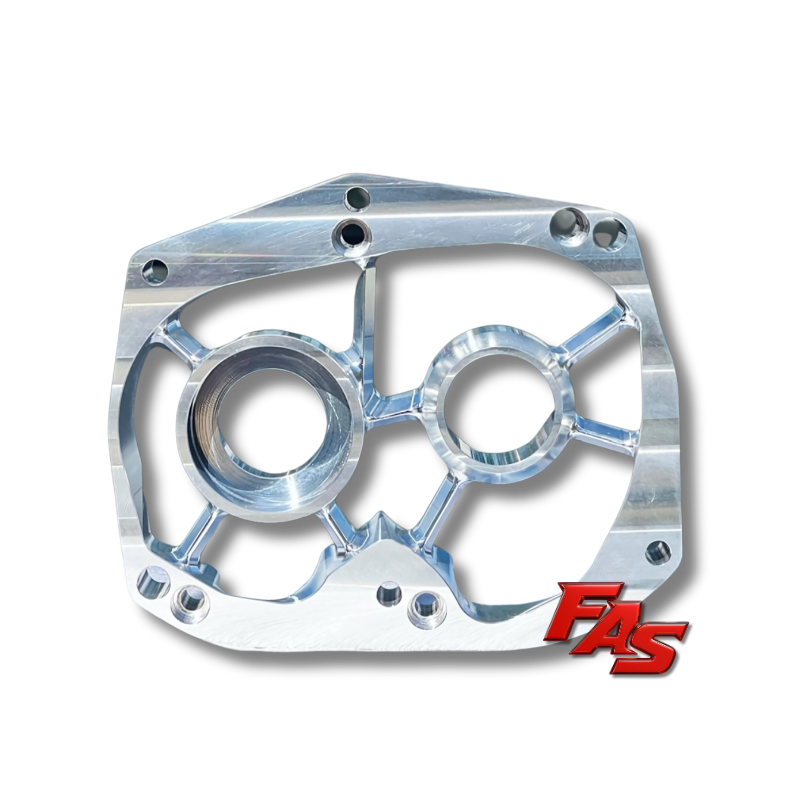
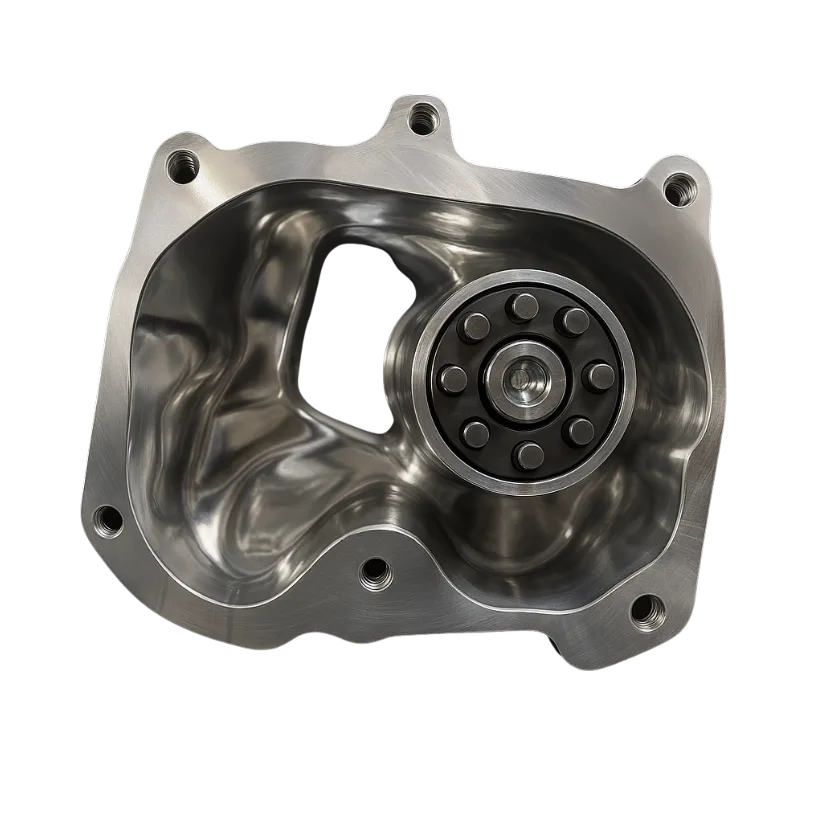
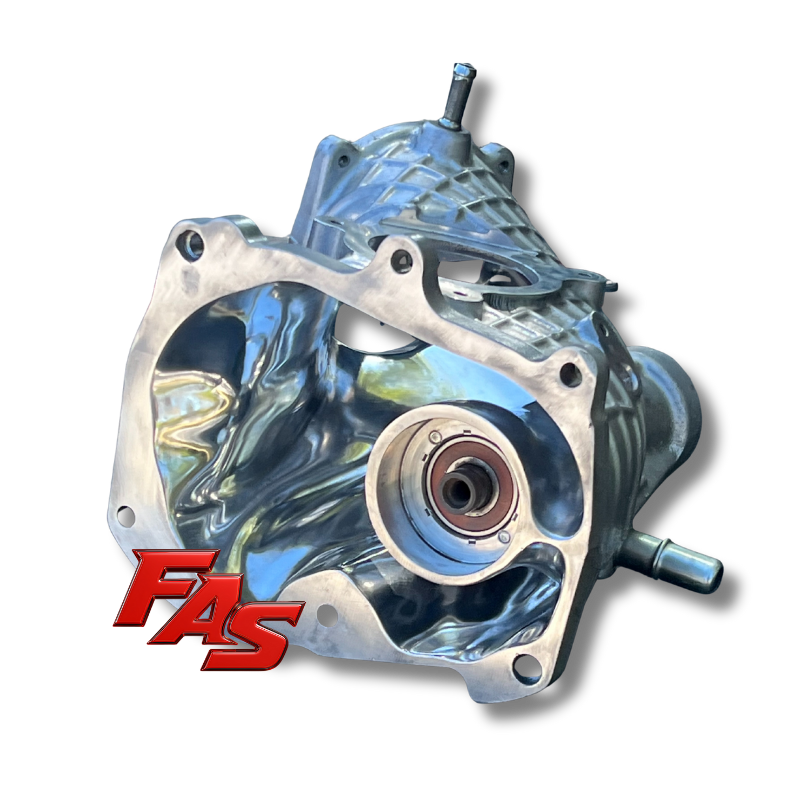
Yes, significantly. A ported 2.4L snout — where the snout inlet, rotor inlets, and bypass valve are all opened up — can match or exceed the flow of a stock 2.7L in most street and strip applications. FAS Motorsports ports both units.
If you’re choosing between a stock 2.7L and a ported 2.4L at similar price points, the ported 2.4L often wins on value unless you’re specifically chasing the numbers above 800 HP on the stock 6.2L block.
Related Posts
Hellcat Supercharger Porting Explained: What It Does and When You Need It
If you're pushing a Hellcat, TRX, or Trackhawk past 700 whp, you've probably asked about supercharger porting — here's what it is & if it's right for you.
Hellephant C170 Engine: What It Is, What It Makes, and What It Costs
The Dodge Hellephant C170 crate engine makes 1,000 hp and 950 lb-ft from 426 cubic inches. What it is, what it costs, and what a complete build runs.
LT4 & Hellcat Supercharger Porting: FAS Porting Process, Gains & What It Costs
LT4 (C7 Z06, ZL1), 2.4L Hellcat TVS, and 2.7L IHI supercharger porting done in-house. Precision CNC port work, flow-bench verified, shipped back in 3–5 business days from Punta Gorda, FL.