Hellcat Cold Air Intake: Does It Actually Work on a Supercharged Engine?
A cold air intake is one of the first mods most new Hellcat owners look at. It is affordable, it installs in an afternoon, and it makes the car sound meaner. Those are real benefits and they are worth something. But a supercharged Hellcat is not a naturally aspirated car, and the reason a CAI works on an NA engine is not the reason people usually assume. This post explains what an intake actually changes on a blown IHI engine, what it does not touch, and how to figure out where your combination is actually restricted before you spend money.
On a supercharged engine, the blower is the pump — not the atmosphere
On a naturally aspirated engine, the only thing pulling air into the motor is the pressure difference created by the pistons. Every restriction between the outside air and the intake valve costs you directly, which is why intake work shows up so reliably on an NA build.
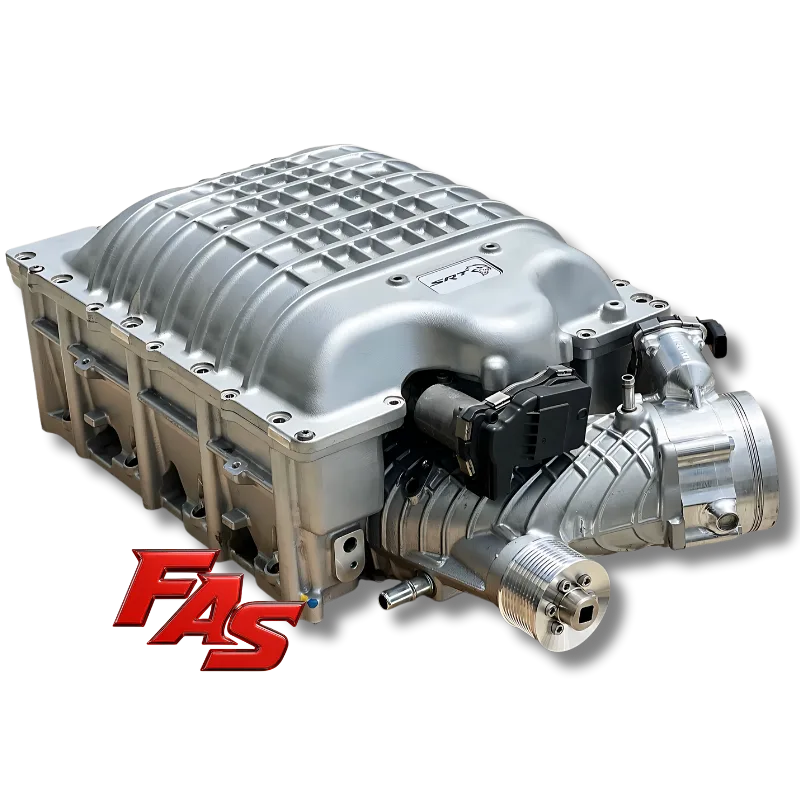
A Hellcat works differently. The factory twin-screw supercharger is a positive-displacement pump — it moves a fixed volume of air per revolution and it will pull air through the filter and tubing whether or not that path is ideal. That does not make the intake irrelevant, but it does change the question. On a blown car the intake is one restriction in a series, and it is usually not the tightest one.
What a cold air intake does change
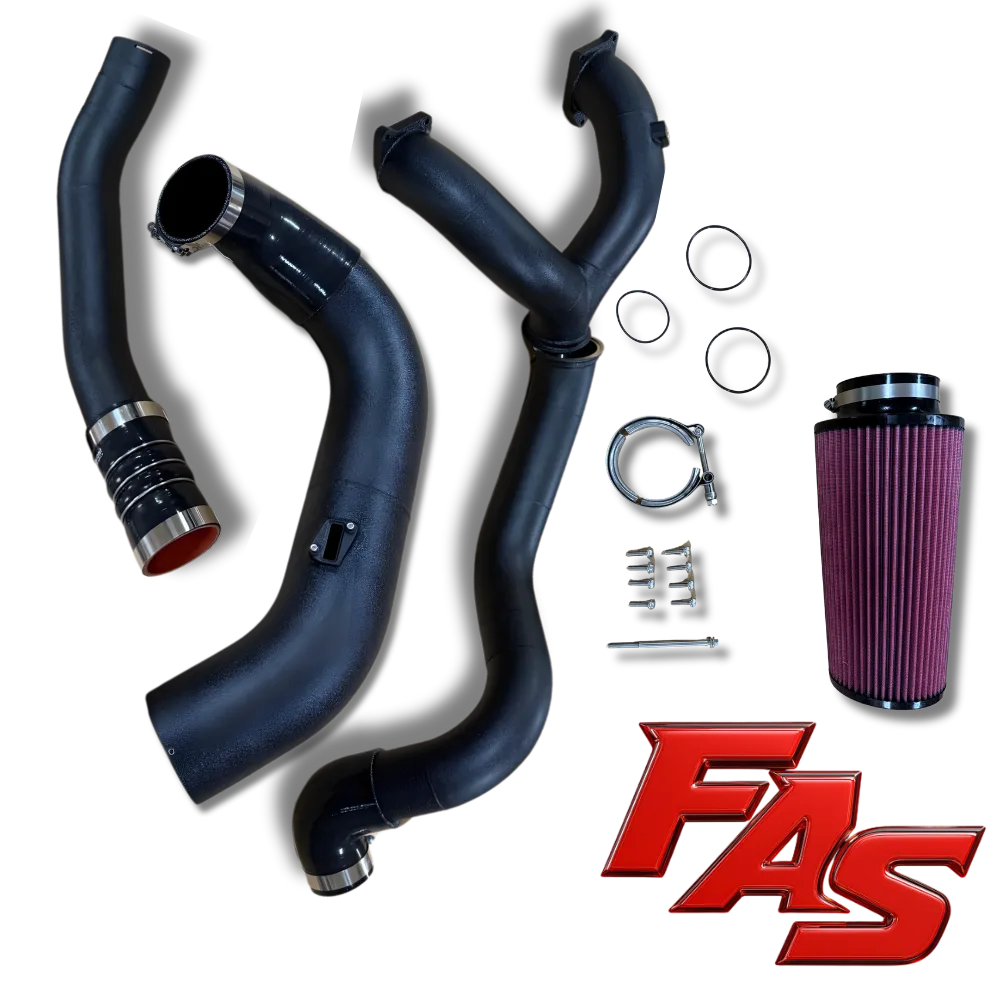
Three things, honestly stated. First, filtration and flow area: a larger filter with a better media can reduce pressure drop across the filter itself, particularly once the factory element has some miles on it. Second, inlet air temperature: moving the inlet away from radiant underhood heat and shielding it properly can help what the blower is fed, and on a supercharged car inlet temperature matters because the blower adds heat on top of whatever it ingests. Third, sound and throttle feel — a real benefit even if it is not a power benefit, and worth naming as itself rather than dressing it up as horsepower.
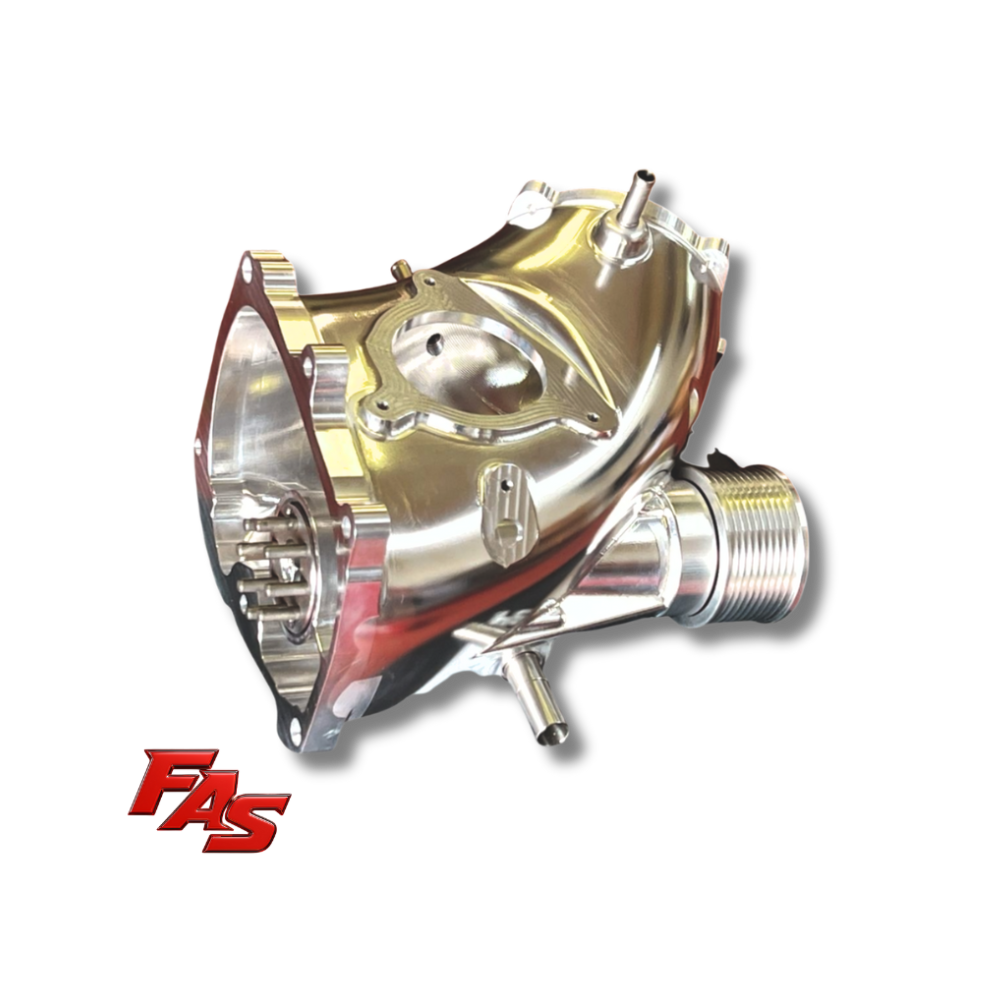
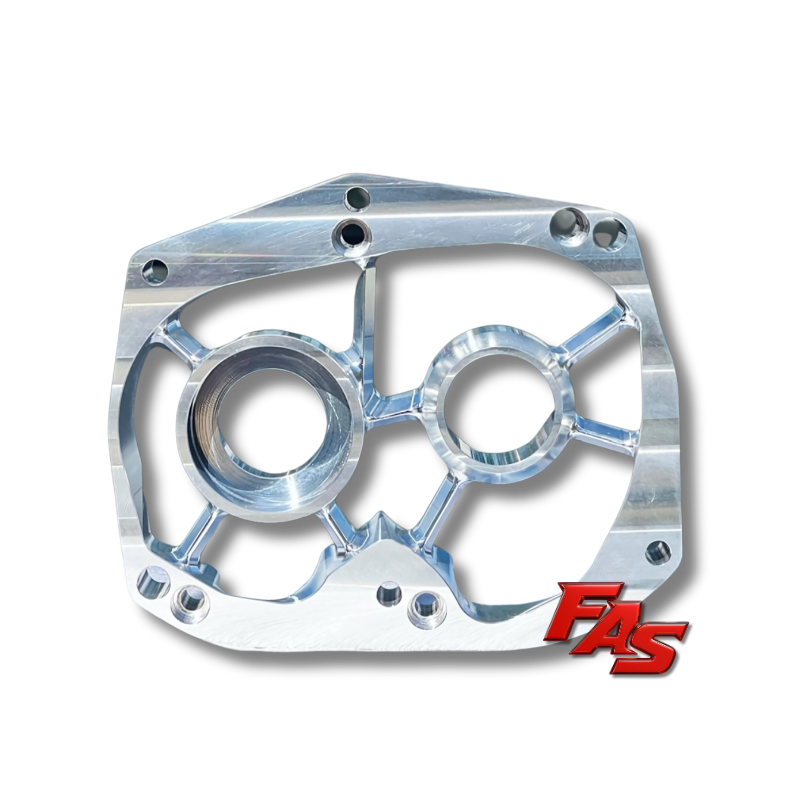
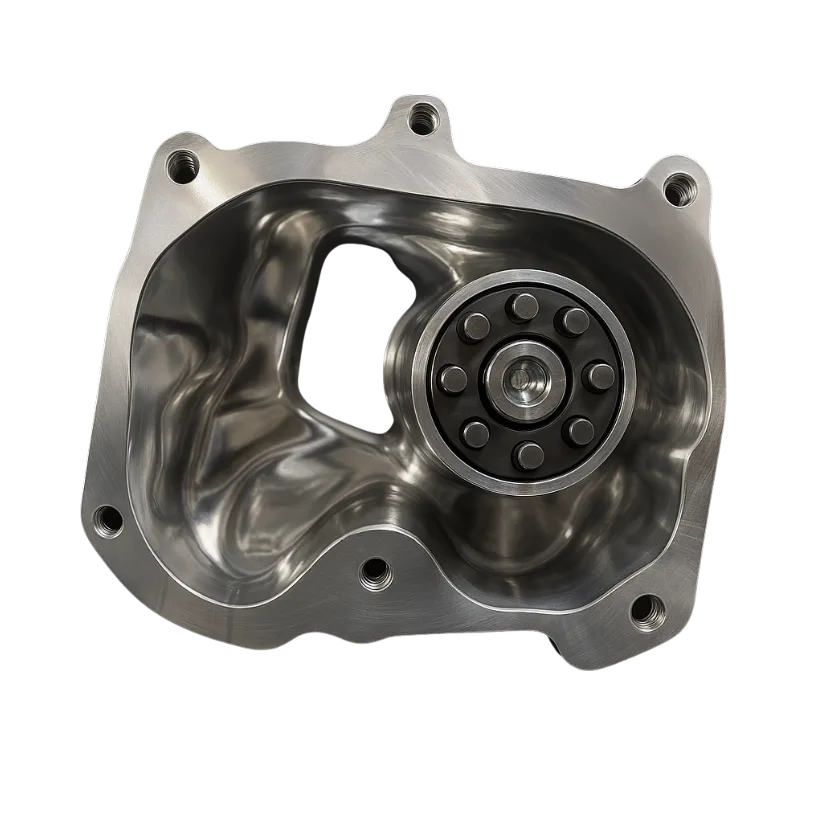
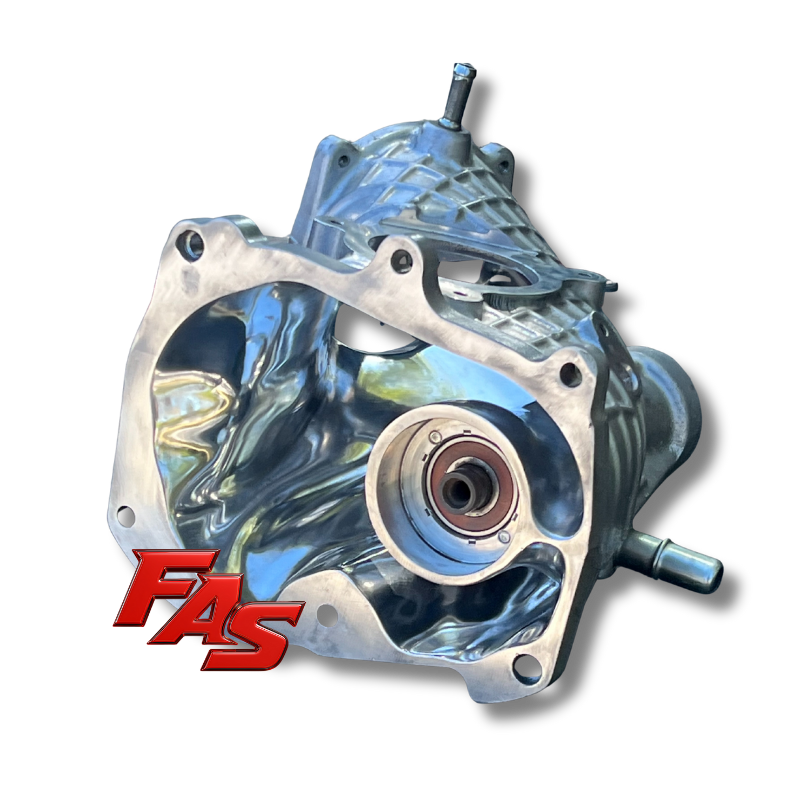
What an intake cannot do is change the geometry inside the supercharger. The transition from the throttle body into the blower inlet, and the snout passage feeding the rotor pack, are cast aluminum shapes that exist upstream of nothing you bolt on outside the engine bay. If that is where your combination is restricted, a filter change does not reach it.
How to find your actual restriction before you buy
The useful question is not "is this intake good" but "what is currently limiting this specific car." That depends on your power level, your pulley, your calibration, your fuel, and the condition of the parts already on the car. A mostly stock Hellcat and an 800-plus whp build with a smaller pulley are not restricted in the same place, and they should not buy the same part first.
A few things worth checking before ordering anything. What does your intake air temperature actually do on a pull, and does it recover between pulls? Is your filter clean, and when was it last serviced? Has the calibration been touched since the last hardware change? And what is your realistic target — a car that is finished at its current power level has different priorities than one that is mid-build. Datalogs answer most of this faster than forum consensus will.
Where FAS usually points people first
For owners who are already past the bolt-on stage and are chasing the next real step, the inlet side of the supercharger is usually the more productive conversation. That is what Hellcat snout and supercharger porting addresses — reshaping the cast inlet path so the blower is not fighting its own housing. It is a send-in service, so the car does not need to come to Punta Gorda. It is also not the right first move for everyone, which is the point of asking before buying.
FAS also stocks intake and airflow parts across the Hellcat platform, including Charger, Challenger, Durango and TRX applications. You can browse the current Hellcat parts catalogue for what is available for your car and model year. Fitment and availability are confirmed on the product page rather than here, because both change.
So — is a Hellcat cold air intake worth it?
If you want better filtration, a cleaner inlet path, and the sound, yes — it is a reasonable, low-risk mod and plenty of Hellcat owners are happy with theirs. If you are buying it expecting it to be the thing that unlocks your build, it is probably the wrong purchase order. The restriction that matters most on a supercharged car tends to live inside the blower, and no intake reaches it.
Not sure which applies to your car? Talk to FAS before you order — tell us the platform, the current mod list, and what you are trying to end up with, and we will tell you honestly where your money goes furthest. Sometimes that answer is an intake. Often it is not.
Related Posts
Hellcat Supercharger Porting Explained: What It Does and When You Need It
If you're pushing a Hellcat, TRX, or Trackhawk past 700 whp, you've probably asked about supercharger porting — here's what it is & if it's right for you.
Hellephant C170 Engine: What It Is, What It Makes, and What It Costs
The Dodge Hellephant C170 crate engine makes 1,000 hp and 950 lb-ft from 426 cubic inches. What it is, what it costs, and what a complete build runs.
LT4 & Hellcat Supercharger Porting: FAS Porting Process, Gains & What It Costs
LT4 (C7 Z06, ZL1), 2.4L Hellcat TVS, and 2.7L IHI supercharger porting done in-house. Precision CNC port work, flow-bench verified, shipped back in 3–5 business days from Punta Gorda, FL.