Hellcat Supercharger on an LS Engine: Adapter Kits, Fitment, and What You Need to Know
Hellcat Supercharger on an LS Engine: What the Adapter Kit Swap Actually Requires
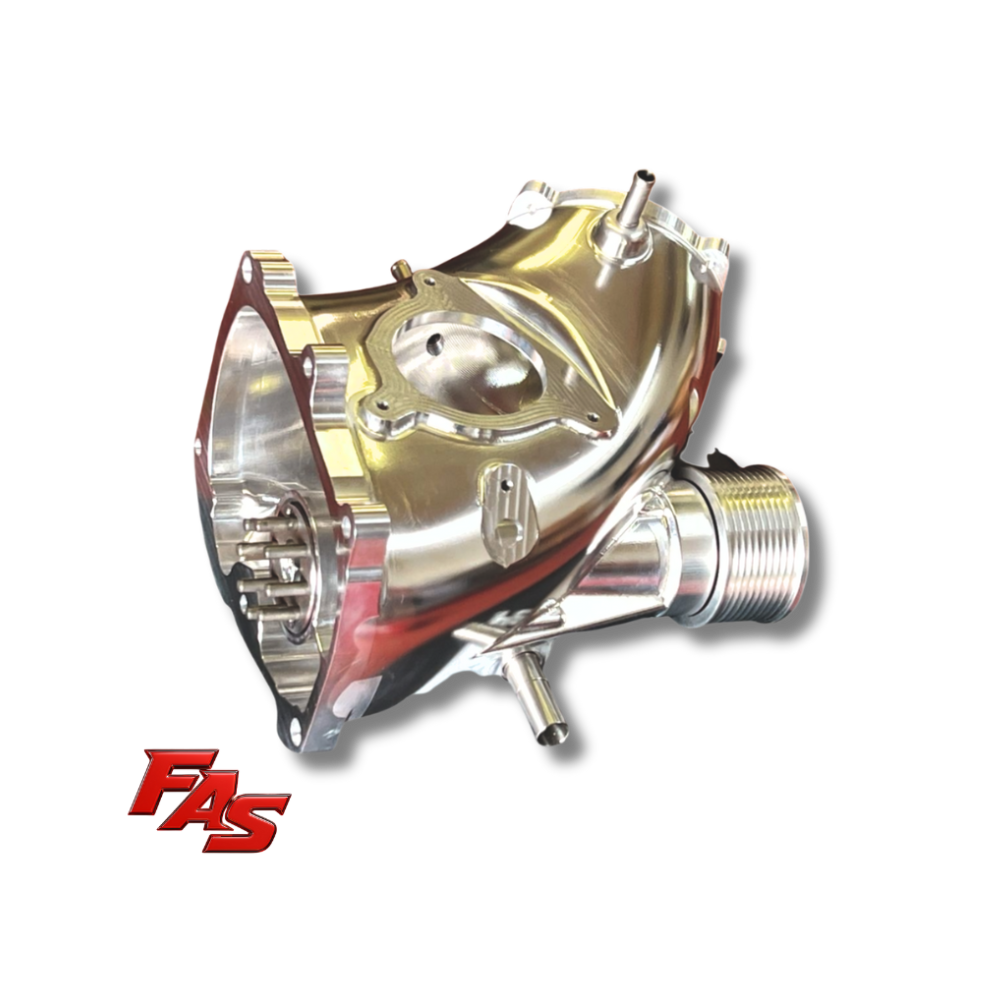
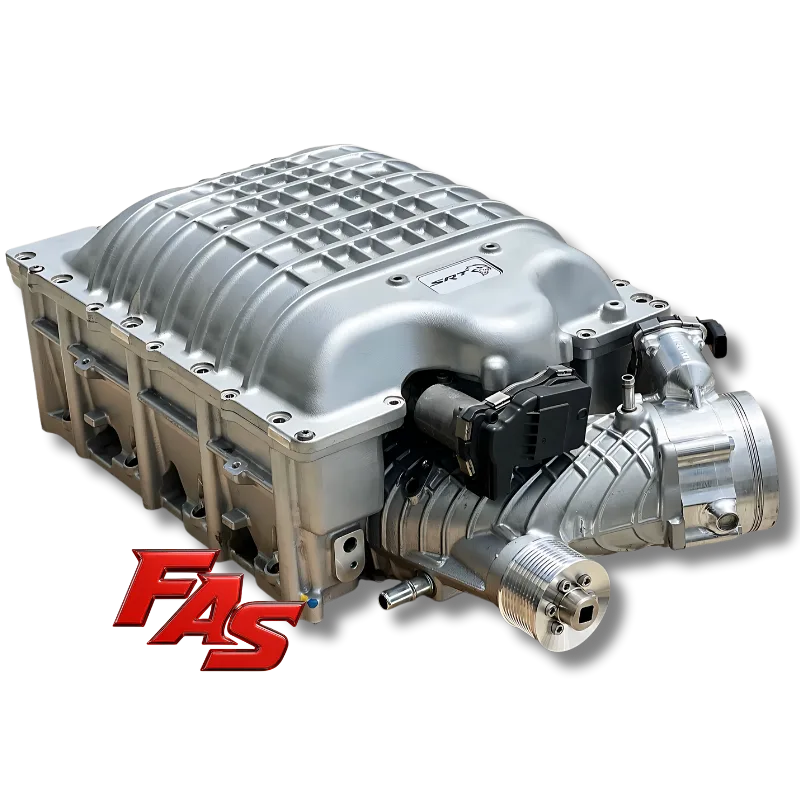
The Hellcat’s 2.4L IHI twin-screw supercharger is one of the most capable OEM blowers ever bolted to a production car. It moves serious air, holds up to porting, and makes insane power per dollar compared to aftermarket roots units. So it’s no surprise the GM V8 community started asking: can you run a Hellcat supercharger on an LS?
The short answer is yes. The longer answer involves understanding exactly what an LS-to-Hellcat supercharger adapter kit does, what it doesn’t solve, and what your build will need to make it work.
Why the Hellcat Blower on an LS?
Hellcat superchargers show up used for $2,000–4,000. A comparable aftermarket twin-screw — like a Whipple 2.9L — runs $6,000–9,000 new. The math is obvious for budget-conscious LS builders who want twin-screw efficiency without the price tag.
LS engines also have the displacement and airflow capacity to use the 2.4L blower effectively. A built 6.0L or 6.2L LS can pull 600–700 whp through this setup with the right supporting mods.
What a Hellcat Supercharger LS Adapter Kit Does
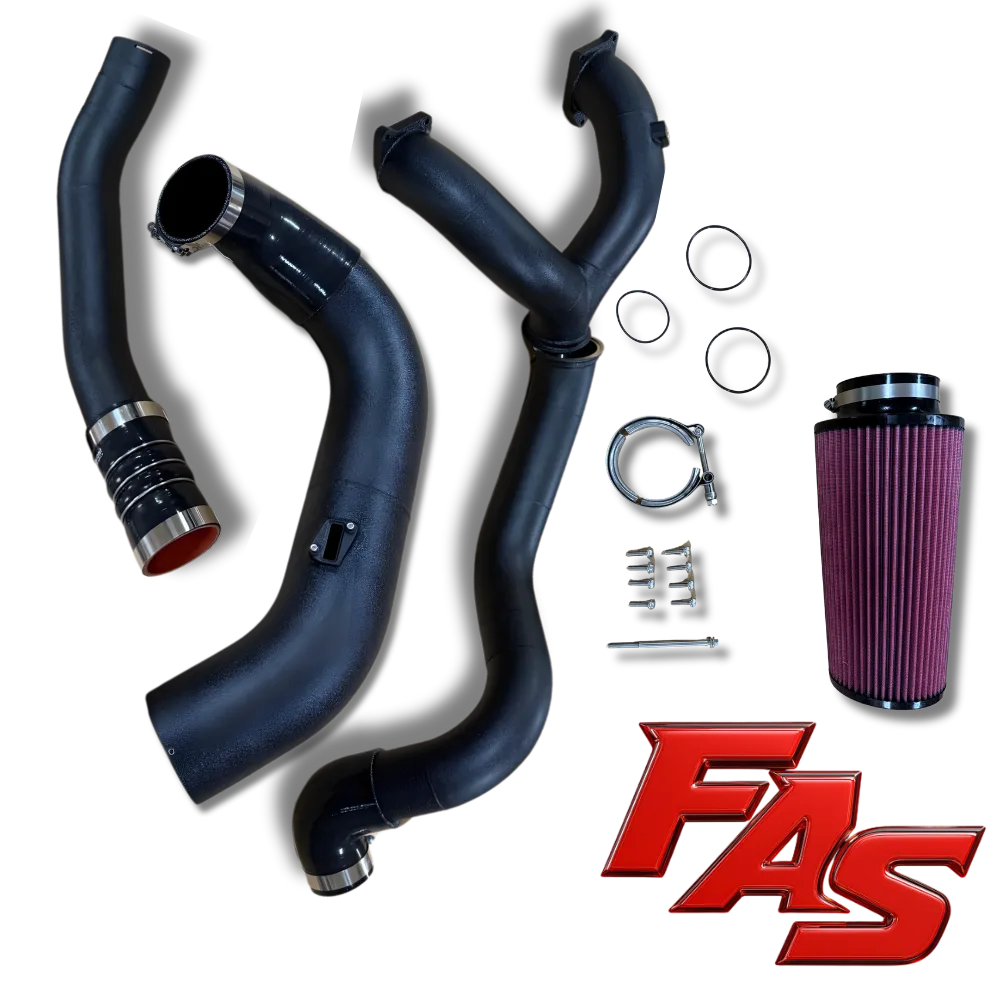
The Hellcat supercharger’s bolt pattern doesn’t match any LS intake manifold. A dedicated adapter kit bridges that gap. It typically includes:
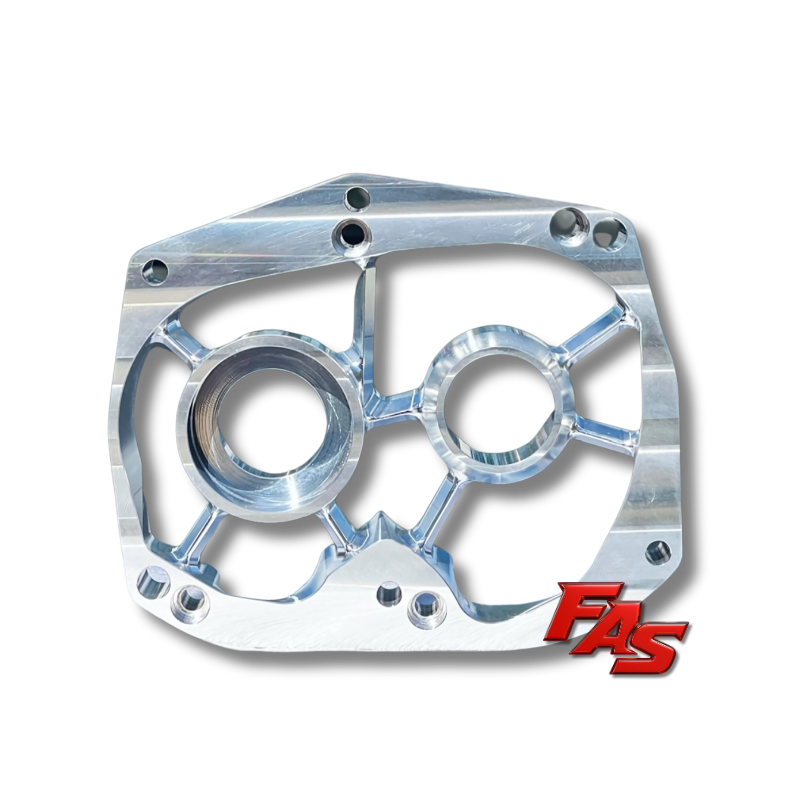
- Billet aluminum adapter plate — bridges the Hellcat blower’s outlet to the LS intake port pattern
- Intake manifold spacer or custom manifold — routes air from the supercharger discharge to the LS ports correctly
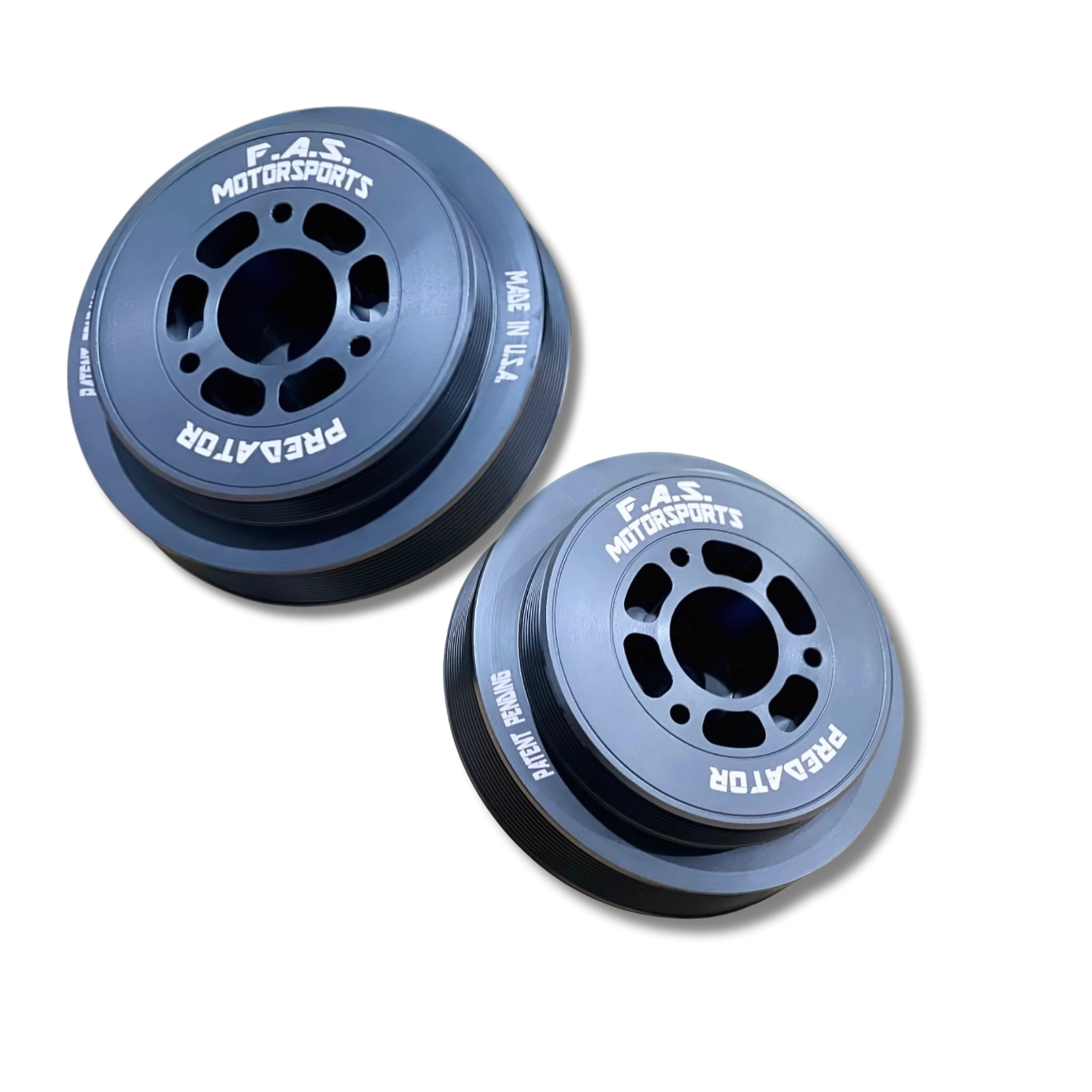
- Drive system components — the Hellcat blower uses a different snout orientation than most LS applications; adapter kits usually include a relocation bracket or custom drive setup
- Idler and tensioner hardware — the Hellcat blower runs a serpentine belt that needs to be routed around your LS accessory drive
Some kits are more comprehensive than others. A quality kit will also address intercooling — the Hellcat blower uses a water-to-air intercooler built into the supercharger housing, and you’ll need a separate heat exchanger and pump circuit plumbed in.
What the Adapter Kit Doesn’t Solve
A bolt-on adapter is only the beginning. Here’s what you still need to sort out:
Throttle body. The Hellcat uses a 92mm throttle body. You’ll need a compatible throttle body and a drive-by-wire setup that matches your ECU.
Fuel system. The Hellcat blower will pull more air than a stock LS injector setup can fuel. Plan on high-impedance injectors (60+ lb/hr for a 6.0L target power level) and a returnless or return-style fuel system upgrade.
ECU tuning. This is non-negotiable. You cannot run a Hellcat supercharger on an LS without a custom tune. Whether you’re running HP Tuners on a Gen IV LS with an E38/E67 ECU or a standalone like a Holley Dominator, the tune needs to account for boost pressure, intercooler coolant temp, and revised fueling tables.
Supercharger drive ratio. The Hellcat blower is designed to spin at a specific rotor speed relative to crank RPM. Adapter kits that relocate the drive will need to hit the right pulley ratio to target boost levels without overspeeding the rotors.
Realistic Power Expectations
On a stock-displacement LS3 (6.2L) with good cylinder sealing, supporting fuel, and a conservative tune:
- Base boost (stock blower pulley equivalent): 9–11 psi → approximately 550–620 whp on pump gas
- With a ported Hellcat blower snout and upper pulley: 12–14 psi → 650–720 whp (requires race fuel or E85)
These numbers assume the LS block is healthy, the tune is dialed, and intercooler heat soak is managed.
Is the Hellcat Supercharger LS Swap Worth It?
It depends on your build goals and how much fabrication you’re comfortable with. A plug-and-play Hellcat swap this isn’t — but for a builder already running a custom LS combination who wants twin-screw efficiency at used-OEM prices, the math works.
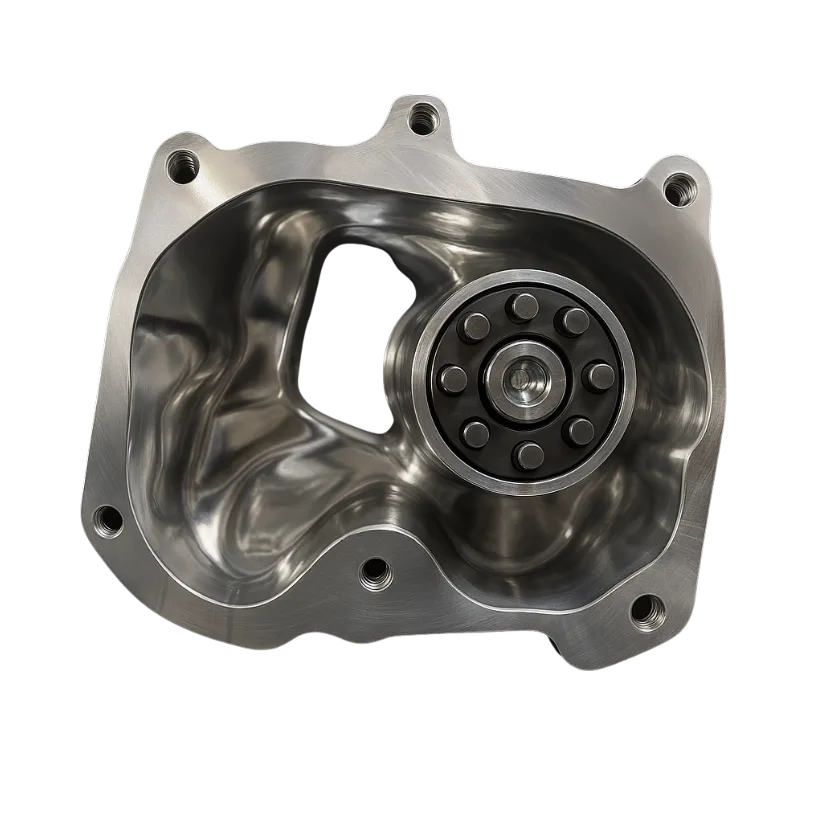
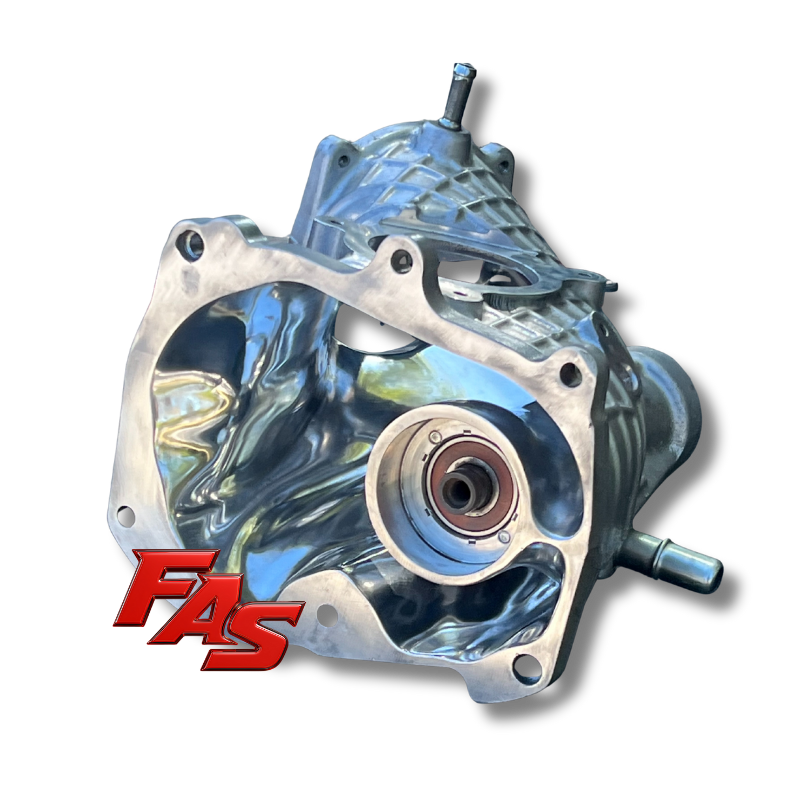
If you want the Hellcat blower’s airflow potential maximized before the swap, start with a ported supercharger snout. FAS Motorsports ports and rebuilds Hellcat IHI superchargers in-house — we can ship yours back ready for the LS application with improved flow, tighter clearances, and a rebuild inspection included.
Summary
- Yes, the Hellcat 2.4L IHI supercharger can be adapted to LS engines with the right adapter kit
- You’ll need a custom manifold/adapter plate, revised drive system, compatible throttle body, upgraded fuel, and a standalone or modified ECU tune
- Realistic power on a built 6.2L LS: 550–720 whp depending on boost and fuel
- A ported Hellcat supercharger maximizes the platform — consider supercharger porting before your swap for best results
Related Posts
Hellcat Supercharger Porting Explained: What It Does and When You Need It
If you're pushing a Hellcat, TRX, or Trackhawk past 700 whp, you've probably asked about supercharger porting — here's what it is & if it's right for you.
Hellephant C170 Engine: What It Is, What It Makes, and What It Costs
The Dodge Hellephant C170 crate engine makes 1,000 hp and 950 lb-ft from 426 cubic inches. What it is, what it costs, and what a complete build runs.
LT4 & Hellcat Supercharger Porting: FAS Porting Process, Gains & What It Costs
LT4 (C7 Z06, ZL1), 2.4L Hellcat TVS, and 2.7L IHI supercharger porting done in-house. Precision CNC port work, flow-bench verified, shipped back in 3–5 business days from Punta Gorda, FL.