What Is a ProCharger? How Centrifugal Superchargers Work
What Is a ProCharger? How Centrifugal Superchargers Work
ProCharger is a brand — specifically, the largest manufacturer of centrifugal superchargers in North America. In the performance community, “ProCharger” has become shorthand for centrifugal supercharger the same way “Kleenex” became shorthand for tissue. That creates confusion when people compare “a ProCharger” to “a supercharger,” because a ProCharger is a supercharger.
Here’s what separates it from other forced induction designs.
Centrifugal Supercharger Basics
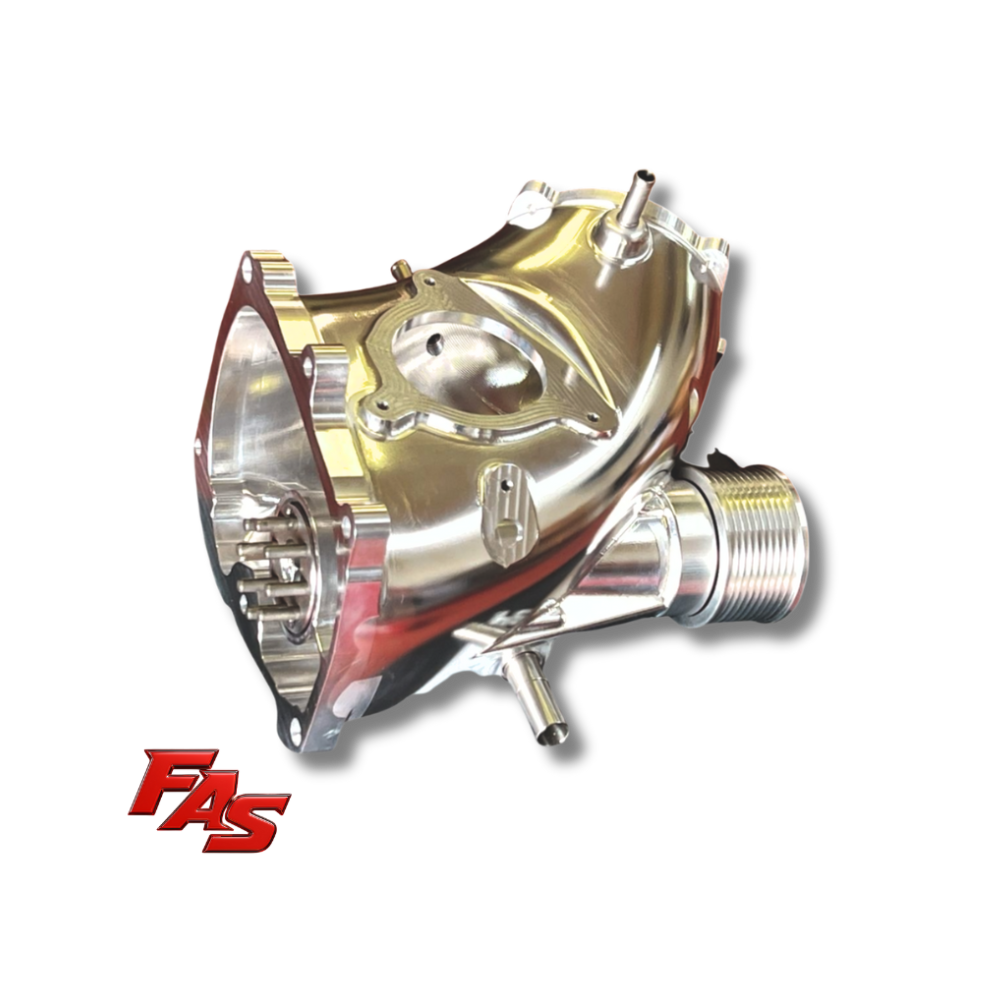
A centrifugal supercharger works exactly like a turbocharger internally — an impeller (a high-speed fan blade) spins and flings air outward into a volute housing, compressing it before it enters the intake manifold. The difference from a turbo: instead of being driven by exhaust gas, a centrifugal supercharger is belt-driven directly off the engine’s crankshaft.
ProCharger units typically spin their impellers at 40,000–60,000 RPM. A step-up gear inside the head unit multiplies crankshaft speed to achieve those impeller speeds. ProCharger’s P-1SC-1, for example, has a gear ratio around 4:1 on many applications — so at 6,000 engine RPM, the impeller is spinning near 50,000 RPM.
The ProCharger Head Unit
The “head unit” is the main ProCharger component — a compact, self-contained compressor that mounts to the engine accessory drive using a dedicated bracket kit. Most ProCharger kits include:
- Head unit (the compressor itself with integral gearbox)
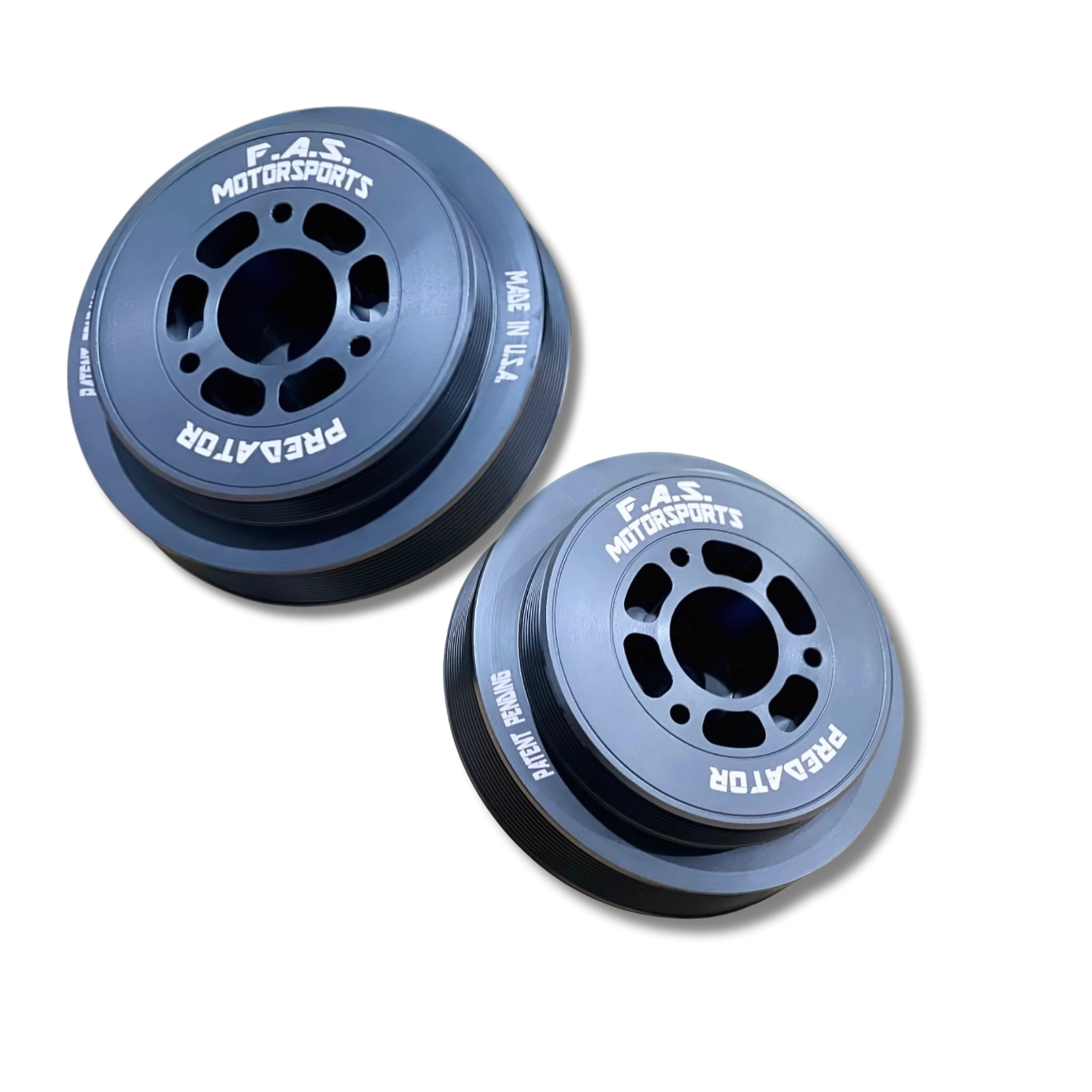
- Crank pulley and belt for driving the head unit
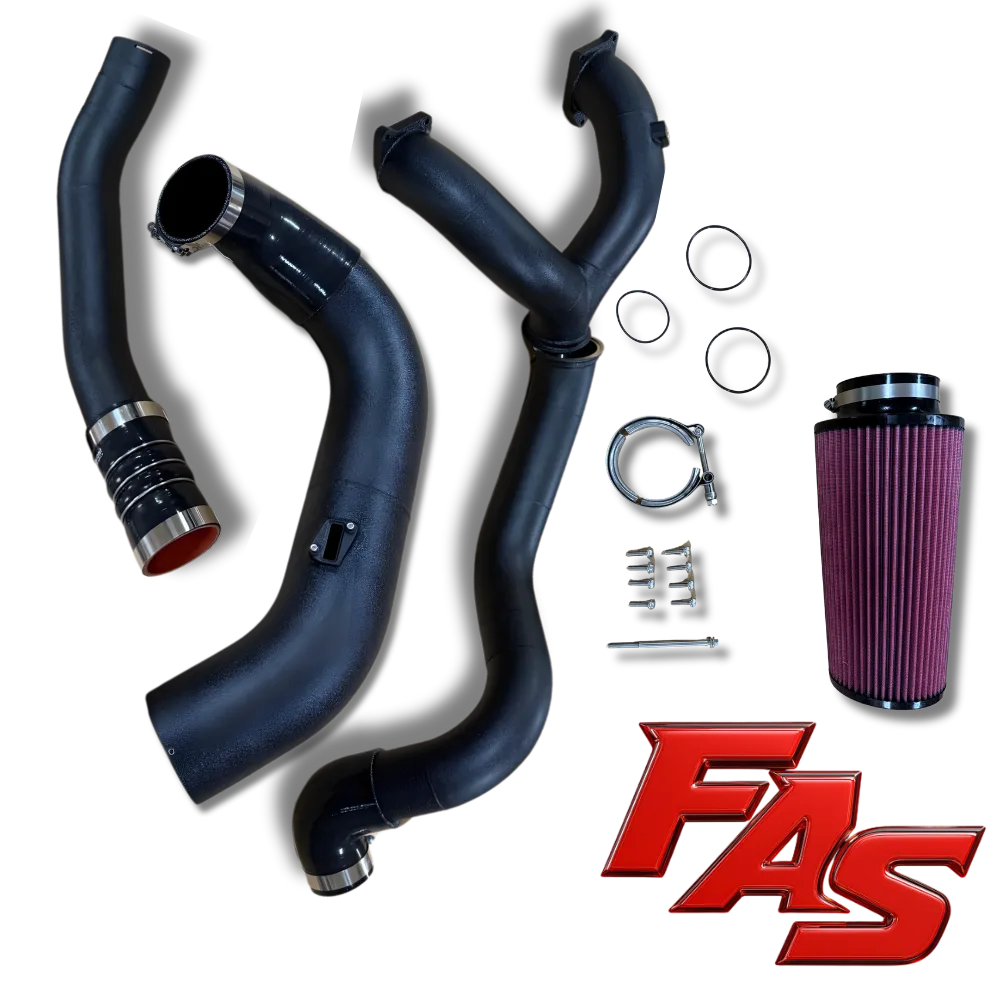
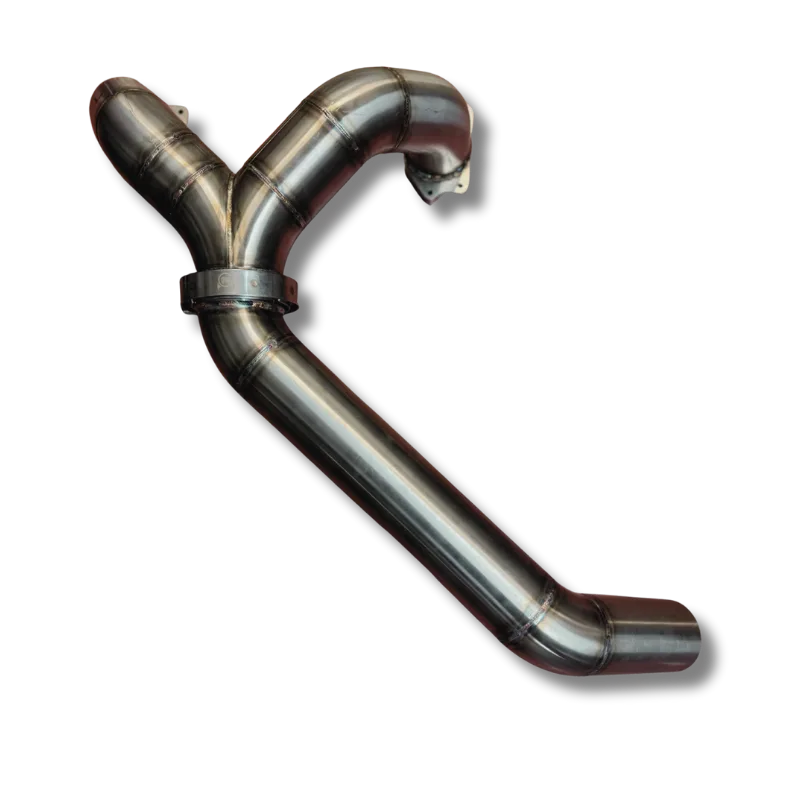
- Charge pipe kit routing compressed air to the throttle body
- Intercooler — either front-mount air-to-air or air-to-water
- Fuel system recommendations for the boost level
A key ProCharger selling point: most of their head units are self-oiling, with their own internal reservoir. You don’t need to tap engine oil lines for lubrication, which simplifies installation and removes a maintenance variable.
Power Curve: How ProCharger Differs from Roots/Twin-Screw
This is the most important practical difference.
Because centrifugal superchargers are velocity-based, boost output scales with RPM. At idle or low RPM, there’s minimal boost. As engine speed climbs, boost builds progressively. A ProCharger that makes 9 psi at peak RPM might only make 2–3 psi at 2,500 RPM.
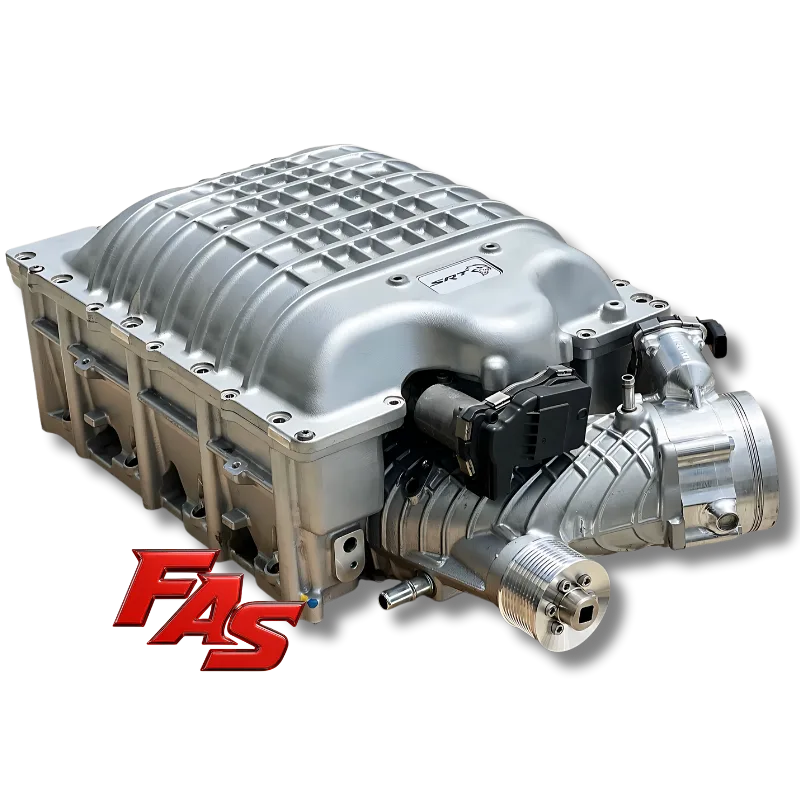
Compare that to a positive-displacement blower — like the IHI unit on a Hellcat. Positive displacement blowers push a fixed volume of air per rotation. They build boost immediately with engine rotation. At 1,800 RPM you’re already making significant boost, which is why the Hellcat feels violent from a roll.
For drag racing — where you’re launching hard and operating in the upper portion of the powerband — centrifugal’s progressive curve is workable. On the street, where you’re rolling into throttle from 30–50 mph, the flat torque curve of a roots-type blower is noticeably more satisfying.
Intercooling With a ProCharger
All ProCharger kits either include or strongly recommend an intercooler. Compressing air heats it, and hot intake air reduces density and increases knock risk. ProCharger’s front-mount air-to-air intercoolers route charge air from the head unit to the intercooler core and back — typically adding 4–6 feet of charge pipe to the system.
The tradeoff: response lag increases slightly as the longer pipe volume fills with pressurized air. For most street applications this is barely noticeable. For drag-strip use, some builders run a liquid-to-air intercooler with ice for optimal charge temps on every run.
What Vehicles Use ProCharger?
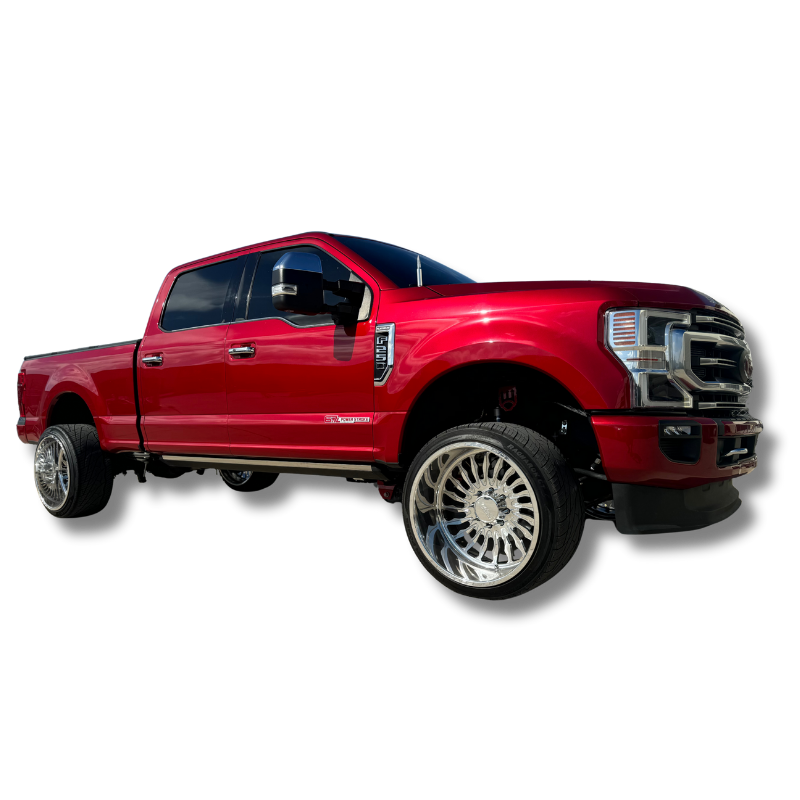
ProCharger makes kits for a wide range of platforms:
Related Posts
Hellcat Supercharger Porting Explained: What It Does and When You Need It
If you're pushing a Hellcat, TRX, or Trackhawk past 700 whp, you've probably asked about supercharger porting — here's what it is & if it's right for you.
Hellephant C170 Engine: What It Is, What It Makes, and What It Costs
The Dodge Hellephant C170 crate engine makes 1,000 hp and 950 lb-ft from 426 cubic inches. What it is, what it costs, and what a complete build runs.
LT4 & Hellcat Supercharger Porting: FAS Porting Process, Gains & What It Costs
LT4 (C7 Z06, ZL1), 2.4L Hellcat TVS, and 2.7L IHI supercharger porting done in-house. Precision CNC port work, flow-bench verified, shipped back in 3–5 business days from Punta Gorda, FL.